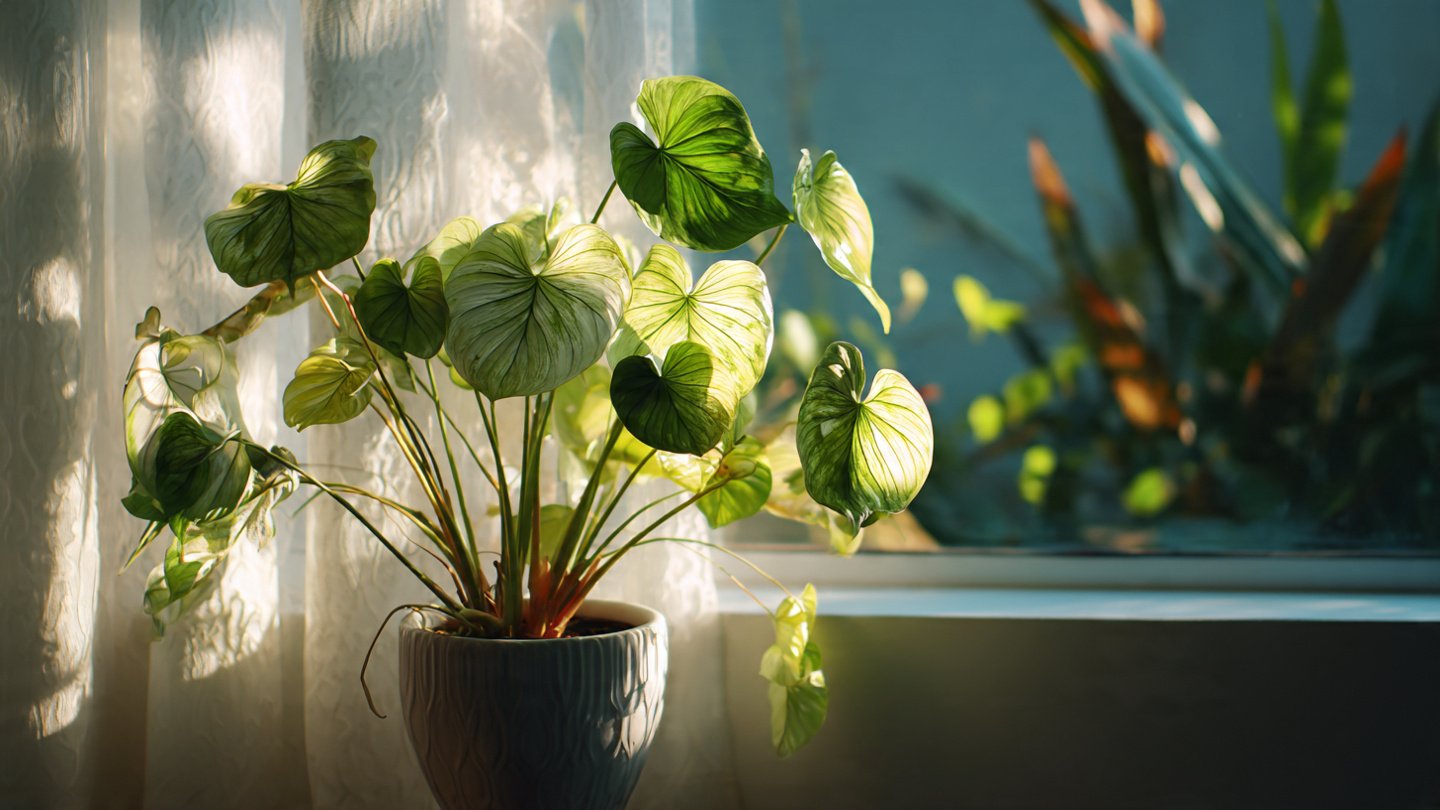
Indoor plants are more than just decoration; they offer numerous benefits, from enhancing air quality to boosting mood and creativity. However, maintaining the health and beauty of these plants requires regular care, one of which is dusting the leaves. While it may seem trivial, neglecting to dust your indoor flower leaves can lead to surprising effects that impact both the plant’s health and your living space.
1. The Aesthetic Impact of Dust Accumulation
One of the first things you may notice when you neglect to dust your indoor plants is a decline in their appearance. Dust accumulates on leaves, dulling their natural sheen and vibrancy. This not only detracts from the beauty of the plants but can also affect the overall aesthetic of your home. A house filled with vibrant, healthy plants is visually pleasing, while dusty, neglected leaves can create an unkempt look that may suggest poor care habits.
2. Impaired Photosynthesis
Plants rely on photosynthesis to convert sunlight into energy. Dust on leaves blocks sunlight, hindering the plant’s ability to photosynthesize effectively. This can lead to stunted growth, as the plant struggles to produce the energy it needs. Over time, this may result in a weak plant that is more susceptible to disease and pests. To ensure your plant thrives, regular dusting is essential.
3. Increased Pest Attraction
Dust accumulation can attract pests like spider mites, aphids, and mealybugs. These pests thrive in environments where dust and debris provide shelter and breeding grounds. With an increased likelihood of infestation, your plants may suffer from weakened immune systems and health complications. Regular dusting helps reduce pest attraction and establishes a healthier environment for your indoor flowers.
4. Accumulation of Allergens
Dust and allergens can build up on leaves, potentially affecting the air quality in your home. When dust settles on plant leaves, it can contribute to respiratory issues and allergies for sensitive individuals. Cleaning the leaves not only benefits the plants but also helps improve the overall air quality in your living space, creating a healthier environment for you and your family.
5. Impaired Water Absorption
Watering indoor plants is essential for their health. However, dust-covered leaves can lead to impaired water absorption. When the leaves are unable to absorb moisture through transpiration, it may result in the plant requiring more water to compensate. This can lead to overwatering, root rot, and other moisture-related issues. Keeping leaves clean ensures that they can effectively transpire and absorb moisture, maintaining balance and health.
6. Transferring Diseases
Neglecting to dust leaves can lead to the transfer of diseases from one plant to another. Dust particles harbor pathogens and fungal spores that can spread through contaminated hands, tools, or air. If you have multiple plants, using dirty tools or hands can lead to cross-contamination. Regularly cleaning your plants minimizes the risk of disease transmission, ensuring that each plant has the best chance of remaining healthy.
7. Temperature Regulation Impairment
Plants naturally regulate temperature and humidity through transpiration. Dust-covered leaves can hinder this process, leading to uneven temperature and humidity levels around the plant. This inconsistency can stress the plant, making it more susceptible to environmental changes and negatively impacting its growth and overall health.
8. Lack of Grooming Leads to Neglect
Neglecting to dust leaves can often lead to a habit of overlooking other important care tasks. When the basic upkeep of your plants falls by the wayside, it may lead to an overall lack of attention. Regular dusting can serve as a reminder for more comprehensive plant care, including repotting, checking for pests, and monitoring water and light needs.
Conclusion
Neglecting to dust your indoor flower leaves can lead to a myriad of surprising effects, from aesthetic declines to severe health implications for your plants. Regular leaf cleaning contributes to better photosynthesis, reduces pest attraction, enhances air quality, and encourages proper moisture absorption. Taking the time to dust your plants not only beautifies your home but also ensures a healthier living environment for both you and your plants.
FAQs
1. How often should I dust my indoor plants?
It’s ideal to dust your indoor plants every 2-4 weeks, depending on the amount of dust in your environment. In more dusty settings, you may need to do it more frequently.
2. What is the best method for dusting indoor plant leaves?
The best method is to use a damp, soft cloth. You can also use a gentle spray of water to help remove dust and grime without harming the plant.
3. Are there any plants that require more frequent dusting?
Plants with larger leaves, such as rubber plants or monstera, may require more frequent dusting due to their surface area. Additionally, plants in high-traffic areas may gather dust more quickly.
4. Can dusting my plants help them grow faster?
Yes, by keeping the leaves clean, you enhance the plant’s ability to photosynthesize effectively, which can lead to healthier and faster growth.
5. What should I do if my plants are infested with pests?
If you notice pests, isolate the affected plants and treat them with insecticidal soap or horticultural oil. Regular dusting can prevent future infestations and help maintain plant health.