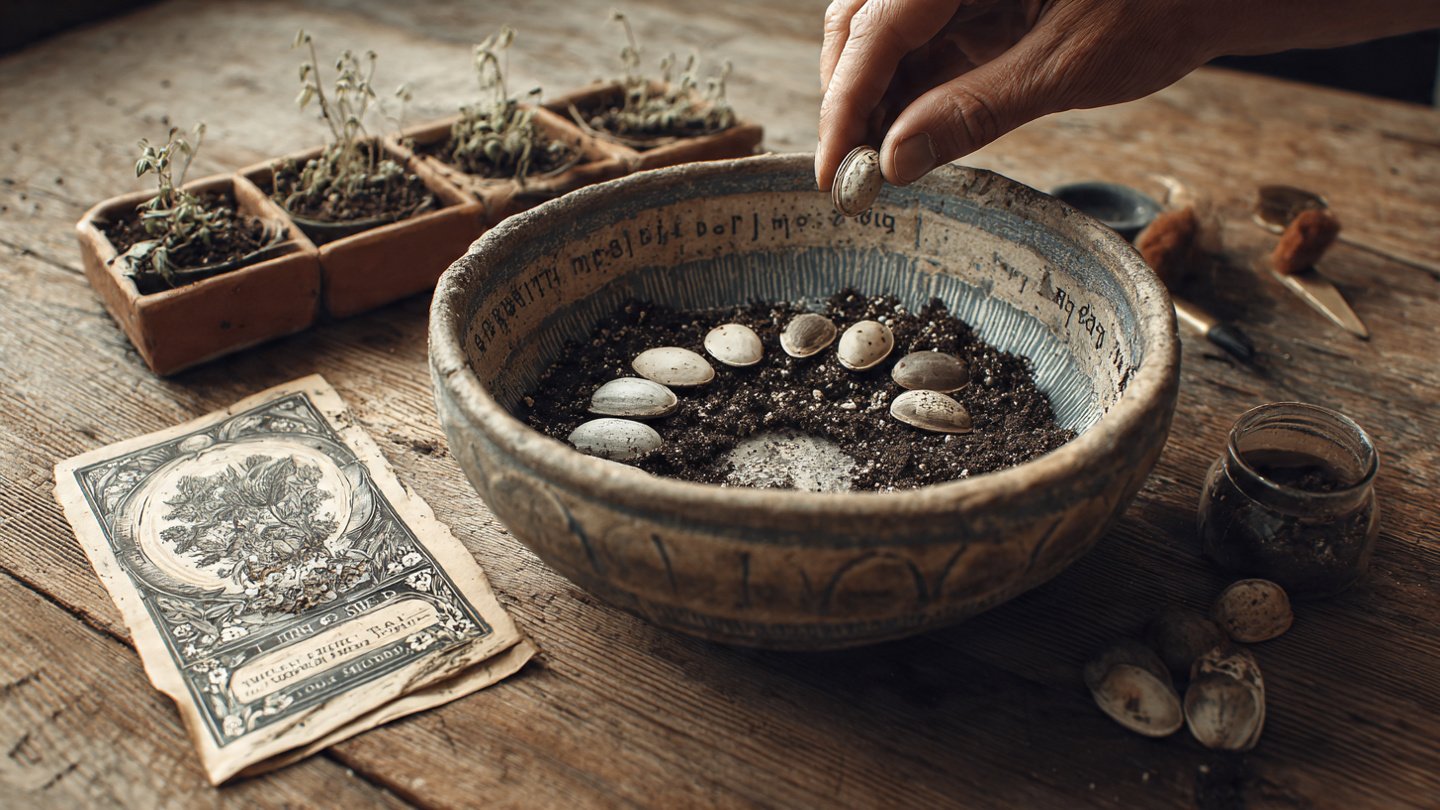
Gardening enthusiasts often look for ways to maximize the health and yield of their plants. One intriguing method that has gained attention is using the lunar phases, particularly the planting moon phase, to time when to sow seeds. This ancient practice, often referred to as lunar gardening, is based on the belief that celestial bodies influence the growth of plants. But how exactly does this work? In this article, we will explore the significance of moon phases, how they can impact seed germination, and why you might want to consider this method for your gardening endeavors.
Understanding Lunar Phases
The lunar cycle lasts about 29.5 days and includes various phases: the new moon, waxing crescent, first quarter, waxing gibbous, full moon, waning gibbous, last quarter, and waning crescent. In lunar gardening, the focus is particularly on the new moon and full moon phases. Here’s a brief overview of what these phases traditionally represent for gardeners:
- New Moon: A time for planting seeds that grow above the ground (leafy plants).
- Waxing Crescent to Full Moon: Favorable for planting and nurturing; a time of growth.
- Full Moon: Optimal for harvesting and enjoying the fruits of your labor.
- Waning Crescent to Last Quarter: Encouraged for planting root crops and a time for rest.
- New Moon in Water Signs: Generally considered the best time for planting all kinds of crops.
How Lunar Phases Affect Plant Growth
One may wonder why the moon’s cycles would have any effect on plant growth. The primary reasons are related to gravitational forces and natural rhythms:
- Gravity: The moon’s gravitational pull affects not only the ocean tides but also the moisture levels in the soil. When the moon is full or new, the gravitational pull is stronger, which can enhance seed germination.
- Water Content: Plants are largely composed of water, making them susceptible to moisture levels influenced by the moon. As moisture levels in the soil fluctuate, seed germination can be triggered more effectively at specific times.
- Natural Rhythms: Many plants have adapted to grow in harmony with lunar cycles, and gardening with these rhythms may lead to more robust growth.
Benefits of Planting by the Moon Phase
There are numerous benefits associated with lunar gardening. Here’s why you should consider planting according to the moon phases:
1. Enhanced Germination Rates
Seeds planted in conjunction with the new moon often exhibit higher germination rates. This is because the gravitational pull helps to draw moisture into the soil, creating a more conducive environment for seeds to sprout.
2. Improved Plant Health
Plants sown during the optimal lunar phases tend to be healthier and more resilient, which results in better resistance to pests and diseases. This is particularly vital for organic gardeners who avoid chemical interventions.
3. Increased Yield
By aligning planting times with lunar cycles, gardeners may experience increased crop yields. Plants grown in alignment with the lunar calendar can produce more fruit and foliage, which translates into more food for your kitchen or market.
4. Organic Practices
Using lunar cycles encourages organic gardening practices. By focusing on natural rhythms, gardeners can reduce their reliance on pesticides and fertilizers, fostering a healthier ecosystem.
Implementing Lunar Gardening in Your Routine
Getting started with lunar gardening is easier than you may think. Here are a few steps to help you incorporate moon planting into your gardening routine:
1. Invest in a Lunar Calendar
Purchase a lunar calendar or use an online lunar calendar to help you track moon phases. This will guide you on the best days to plant specific crops.
2. Understand Your Local Environment
Consider your local growing conditions. Factors like climate, soil type, and specific gardening goals will influence your success with lunar gardening.
3. Experiment with Different Crops
Start by planting a few seeds aligned with the lunar phases and keep track of their growth. Experiment with different crops to determine which ones thrive best for you.
4. Document Your Results
Keep a gardening journal to document your lunar planting activities. Over time, you will be able to analyze which methods yield the best result, tailoring your gardening strategy to fit your specific needs.
Conclusion
Incorporating lunar phases into your gardening strategy can offer a multitude of benefits, from enhancing germination rates to promoting organic practices. By embracing the natural rhythms of the moon, gardeners can achieve healthier plants and potentially maximize their yields. While the research on lunar gardening is still ongoing, many anecdotal reports suggest that it is a practice worth considering. Whether you’re an experienced gardener or just starting, integrating planting by the moon can add a new layer of enjoyment and success to your gardening journey. So why not give it a try and see how your plants respond?
FAQs
What crops should I plant during a new moon?
Generally, it’s best to plant crops that produce above-ground fruits or foliage, such as leafy greens, tomatoes, and beans.
Does lunar gardening work for all regions?
While lunar gardening principles are applicable globally, local climates and soil conditions can affect success rates. It’s advisable to adjust your strategy based on your environment.
How do I find a lunar calendar?
Lunar calendars can be found online, in bookstores, or gardening stores. You can also download apps that track lunar phases.
Is science behind lunar gardening?
While scientific studies on lunar gardening are limited, many gardeners report positive results. Further research may help to clarify the relationship between lunar phases and plant growth.
Can I combine lunar gardening with companion planting?
Absolutely! Combining lunar gardening with companion planting can yield even greater benefits, as you can harmonize plant combinations with lunar cycles for optimal growth.