Growing a perfect pumpkin for the county fair requires a blend of careful planning, keen attention to detail, and a little bit of luck. The journey from seed to prize-winning pumpkin can be an incredibly rewarding experience, especially when you see your efforts recognized at the fair. Here, we will explore the key secrets to growing that ideal pumpkin, covering everything from soil preparation to pest management, and all the important steps in between.
Starting with the Right Seeds
Choosing the right seeds is foundational to your pumpkin-growing success. There are several varieties of pumpkins, but if your goal is to win at a county fair, you’ll want to look for giant pumpkin seeds. These seeds come from specific plants that have been cultivated for size and quality over the years.
When selecting your seeds, consider local conditions and the specific characteristics of each variety. Some common varieties for giant pumpkins include ‘Atlantic Giant,’ known for its enormous size, and ‘Big Max,’ which grows pumpkins that can weigh over 100 pounds. Be sure to source your seeds from reputable suppliers to ensure quality.
Soil Preparation
Once you have your seeds, it’s time to prepare the soil. Pumpkins thrive in rich, well-drained soil, ideally with a pH level between 6.0 and 6.8. Conduct a soil test to determine its nutrient composition. Adjustments can be made by adding organic matter like compost, which can improve soil fertility and drainage.
Begin preparing the soil in early spring. Use a shovel or rototiller to break up the ground to a depth of about 12 inches. Incorporate plenty of organic matter into the soil to promote healthy root development. Adding well-rotted manure or high-quality compost not only enriches soil nutrients but also enhances its structure.
A well-prepared bed, ideally 3-4 feet wide, can be shaped into raised mounds or hills. This promotes excellent drainage and allows the soil to warm more quickly, giving your pumpkins a head start. Space your mounds at least 6 feet apart to allow ample room for the sprawling vines.
Watering Techniques
Watering is crucial in pumpkin cultivation. Pumpkins require consistent moisture, especially during the germination phase and while they are growing. However, overwatering can be detrimental. Aim to keep the soil consistently moist but not soggy.
A drip irrigation system can be an effective way to control the moisture levels. This method delivers water directly to the roots, reducing the risk of fungal diseases that can arise from over-saturation. Watering early in the morning allows the leaves to dry throughout the day, minimizing disease risks.
As the pumpkins grow larger, you might need to increase the watering frequency. Keep an eye on rainfall and adjust your watering schedule accordingly. A general rule of thumb is to provide about 1-2 inches of water weekly, whether through rainfall or irrigation.
Fertilization Strategies
Fertilization plays a significant role in producing a perfect pumpkin. After planting, you’ll need to provide a balanced fertilizer that promotes both growth and flower development. Look for fertilizers that contain a mix of nitrogen, phosphorus, and potassium, often labeled as N-P-K ratios (like 10-10-10 or 5-10-10).
Begin with a starter fertilizer when planting your seeds, then follow up with side-dressing as the plants grow. As pumpkins start to develop, switch to fertilizers higher in phosphorus and potassium, which support flower and fruit development.
Incorporating organic fertilizers such as fish emulsion or bone meal can also provide essential nutrients. Regularly monitor your plants for signs of nutrient deficiency, such as yellowing leaves, which can indicate a need for additional fertilization.
Pest and Disease Management
Pests and diseases can be the bane of any pumpkin grower’s existence. It’s essential to be proactive about managing these threats from the very beginning. Inspect your plants regularly for signs of pests like aphids, squash bugs, and cucumber beetles.
Consider using row covers to protect young plants from pests while allowing sunlight and moisture to penetrate. Organic solutions like neem oil can help control pest populations without harming beneficial insects.
For disease prevention, ensure proper plant spacing to allow for good air circulation. Rotating your pumpkin crop each year can also minimize disease build-up in the soil. Look for disease-resistant seed varieties when possible.
Weeds can compete for nutrients and moisture, so keep your pumpkin patch free of weeds through regular maintenance. Mulching around your plants with straw or wood chips can suppress weed growth while conserving moisture in the soil.
Training Your Vines
As pumpkins grow, their vines can become quite sprawling. Training the vines can help manage their growth and improve sun exposure for the developing pumpkins. You may choose to trim excess vines or direct them to grow in designated areas.
Consider securing developing pumpkins with slings made from fabric or netting to support their weight. This helps prevent rot and improves air circulation around the fruit. If you’re growing particularly large pumpkins, consider using wooden boards or other sturdy supports to keep them healthy and safe from ground pests.
Thinning
Thinning your pumpkins is essential for achieving that perfect specimen. While it might be tempting to leave all the developing fruit, too many pumpkins can lead to nutrient depletion and smaller overall sizes. Once your plant has set several pumpkins, select the largest and healthiest-looking one to keep, removing the smaller ones.
After thinning, monitor the remaining pumpkin’s growth. If you notice any signs of stress or decline, you may need to adjust your care or consider additional fertilization and watering.
Timing Your Harvest
Timing is crucial when it comes to harvesting your pumpkins. Pumpkins typically take anywhere from 75 to 120 days to mature, depending on the variety. Keeping track of these timelines is essential for gauging when to harvest. Signs that your pumpkin is ready include a hard outer shell, vibrant color, and the tendril closest to the fruit turning brown and dying back.
Be careful when harvesting. Use a sharp knife or pruners to cut the stem, leaving a few inches for better storage. Handle the fruit gently to avoid bruising or damaging the skin.
Preparing for the Fair
Once you’ve harvested your pumpkin, it’s time to prepare for the county fair. Start by cleaning the pumpkin, removing any dirt or debris, and polishing the skin to enhance its appearance. Some growers also apply a light coat of vegetable oil to enhance the shine, but this should be done sparingly.
Ensure your pumpkin is transported safely to the fair, ideally cushioned to avoid any bruises during transit. Familiarize yourself with the fair’s regulations, such as weight categories and judging criteria. Different fairs might have different expectations for presentation, so adapt your approach accordingly.
Engaging with the Community
Participating in the county fair isn’t just about winning; it’s also about community engagement. Be sure to interact with other growers, share tips, and learn from others’ experiences. The pumpkin-growing community is often passionate and supportive, making it a wonderful space to exchange ideas and knowledge.
Consider attending workshops or seminars at the fair where you can learn about advanced techniques and innovations in pumpkin cultivation. Not only will you improve your skills, but you’ll also build relationships that can help you in future growing seasons.
Celebrating Your Accomplishments
Regardless of the outcome, growing a pumpkin for the county fair should be an enjoyable and fulfilling experience. Celebrate your accomplishments, whether you win a ribbon or learn invaluable lessons for next year. Take pride in your cultivation practices, the hard work, and the dedication you put forth.
Remember, every pumpkin season brings new challenges and opportunities for growth. With each cycle, you will refine your techniques and expand your knowledge, getting closer to your ideal pumpkin year after year. Growing a perfect pumpkin is not solely about external accolades; it serves as a personal journey of growth, patience, and discovery that enriches your experience as a gardener.
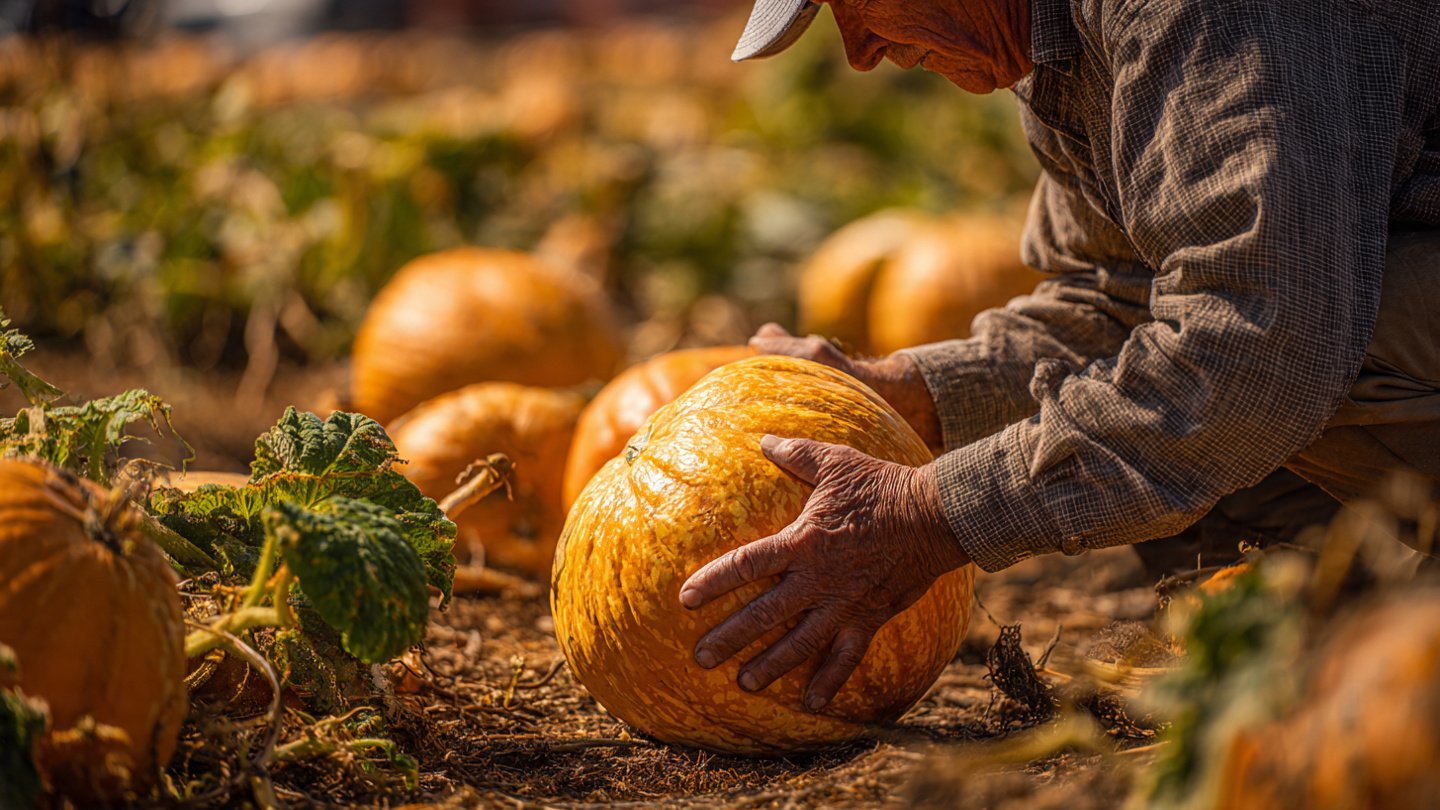
What Are the Key Secrets to Growing a Perfect Pumpkin for the County Fair?
For the First Time in 40 Years, Panama’s Deep Waters Failed to Rise to the Surface
Pension Revision for Old Employees Update 2026: Stronger Support and Higher Benefits
Stop Wasting Water on Lawns When a Butterfly Paradise Needs Almost None
2026 Ford Mustang GT Roars Ahead With Sleek Design, Powerful Engine and Advanced Features
Vivo Smartphone With 300MP Camera and 7500mAh Battery at ₹9,500
Day Will Turn to Night: The Longest Solar Eclipse of the Century Now Has an Official Date
2026 Toyota Mini Land Cruiser Spotted With Rugged Design and Advanced Off-Road Features
Nokia 7610 Launched: 5G Keypad Phone With Stylish Design and Strong Performance
Maruti Wagon R Flex Fuel Launched With Hybrid Engine, 55km/l Mileage
Honda CR-V 2026 Revealed: The Perfect Blend of Power, Comfort and Innovation
DA Merger Boost 2026: Stronger Financial Security for Seniors
Boiling Rosemary Is the Ultimate Grandmother Trick—and Chemical Air Fresheners Miss the Point
Bajaj Avenger 160 2026 Launched With Smooth Engine and Cruiser Design
New 2026 Toyota Land Cruiser Breaks Cover With Advanced Technology
Vivo New Smartphone With 420MP Camera and 7700mAh Battery at ₹9,900
Realme 17 Pro 5G Unveiled With 200MP Camera and 8600mAh Battery
PAN Card New Rule Change Today: RBI and Income Tax New Instructions Released
RBI New Order 2026: Minimum Balance Rule Changed
Mahindra New Bolero 2026 Launched With 289HP Power
Royal Enfield Super Meteor 650 2026 Launched With Premium Design
Jio Solar Panel Will Make 15 Units Daily and Save ₹4,000 Monthly
Kawasaki Ninja ZX-14 2026 Launched With Premium Design
Yamaha VMAX 2026 Launched With Premium Build
Royal Enfield Bullet 350 2026 Launched With Classic Design
2026 Hero HF Deluxe Launched: Price, Mileage and Features
For the First Time on Record, a Major Southern Ocean Current Has Reversed
Royal Enfield Hunter 350 Launched With 349cc Engine
2026 Bajaj Avenger Launched in India With Classic Styling
2026 Bajaj Avenger Launched in India With Superior Comfort