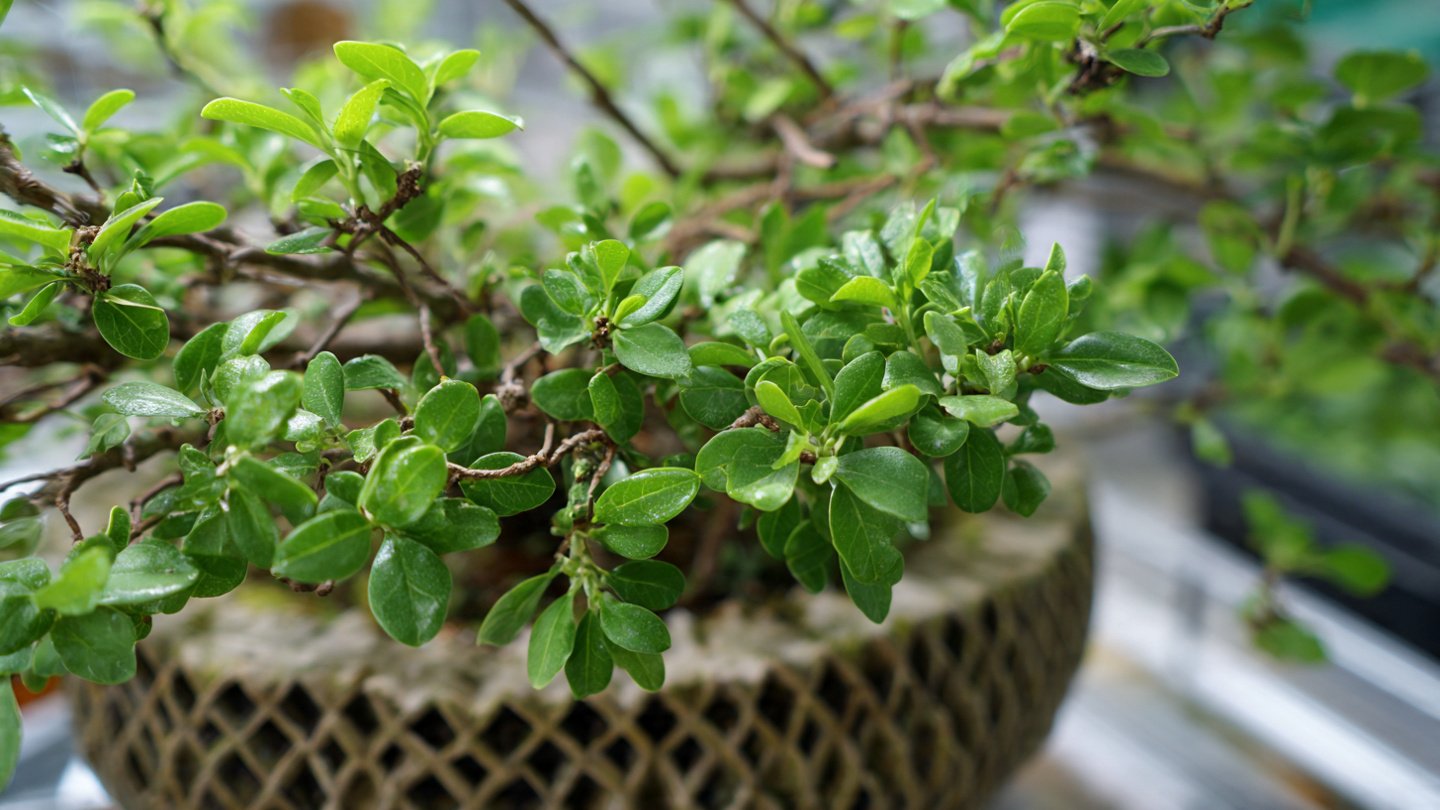
Proper pruning techniques can significantly improve plant health and productivity. While many gardeners focus on cutting back upper growth to shape plants, pruning lower leaves is equally important, particularly for enhancing airflow. This article explores the advantages of pruning lower leaves, detailing how such an approach can lead to improved plant health, reduced disease risk, and ultimately, increased yields.
Understanding Airflow and Its Importance
Airflow in a garden setting is crucial for a number of reasons:
- Temperature Regulation: Enhanced airflow helps maintain optimal temperatures by preventing overheating and allowing cooler air to circulate among plants.
- Humidity Control: Good airflow reduces humidity levels around plants, decreasing instances of fungal diseases.
- Pollination Efficiency: Increased airflow can help in the efficient transfer of pollen, which is essential for fruit-bearing plants.
With these factors in mind, pruning lower leaves emerges as a beneficial practice for improving airflow and enhancing overall garden performance.
Advantages of Pruning Lower Leaves
1. Enhanced Air Circulation
One of the most immediate advantages of pruning lower leaves is the improvement in air circulation around the plant. With fewer leaves obstructing airflow, plants can breathe more easily. This is particularly important for dense-caned plants or those that grow closely together. Improved air circulation helps in reducing the chances of mold and mildew development, which thrive in stagnant air.
2. Reduced Fungal Diseases
Lower leaves often remain damp for longer, making them prime targets for fungi. When you prune these leaves, you minimize the moisture retention in the lower canopy, reducing the risk of diseases such as powdery mildew and botrytis. Consequently, you will find that your plants face fewer challenges related to diseases, which can often lead to increased stress and reduced yields.
3. Improved Light Penetration
Pruning lower leaves allows more sunlight to reach the inner parts of the plant. This not only stimulates photosynthesis but also helps younger leaves that are often shaded by the lower canopy to receive adequate light. Enhanced light penetration can lead to a bushier plant and more vigorous growth.
4. Better Nutrient Distribution
When lower leaves are pruned, the plant can redirect its energy and nutrients towards the upper foliage and fruiting bodies. This allows for more efficient nutrient distribution throughout the plant, leading to healthier growth and, in many cases, improved fruit quality. Especially during the growing season, this redirection can make a significant difference in yield outputs.
5. Easier Pest Management
Lower leaves can often harbor pests or their eggs, creating a difficult situation for the gardener. By removing lower leaves, you reduce the chances of pest infestations. Additionally, with better airflow and light penetration, it becomes easier to monitor and manage any potential pest threats before they escalate.
6. Aesthetics and Plant Shape
In addition to health benefits, pruning lower leaves contributes to the overall aesthetics of the plant. A well-pruned plant tends to look more polished and professional, enhancing the visual appeal of your garden. Moreover, maintaining a consistent shape can support structural integrity, especially for taller plants that may otherwise become top-heavy.
Best Practices for Pruning Lower Leaves
While the benefits of pruning lower leaves are clear, it’s essential to follow best practices to avoid damaging your plants:
- Timing: Prune during the growing season, particularly after flowering, to ensure plants have enough resources to recover.
- Tools: Use sharp, clean pruning scissors to make clean cuts and reduce the risk of disease transmission.
- Frequency: Avoid heavy pruning; instead, aim for regular light pruning throughout the season.
Conclusion
Pruning lower leaves offers surprising advantages for enhancing airflow and overall plant health. By improving air circulation, reducing the risks of diseases, enhancing light penetration, better distributing nutrients, simplifying pest management, and contributing to aesthetics, pruning is a valuable technique that all gardeners should consider. Additionally, following best practices ensures that you can maximize these benefits while minimizing any potential stress on your plants. Whether you are tending to an extensive vegetable garden or nurturing a few houseplants, proper pruning can lead to vibrant growth and bountiful yields.
FAQs
Q1: How often should I prune the lower leaves of my plants?
A1: It is advisable to prune lower leaves regularly throughout the growing season. However, aim for light, consistent pruning rather than heavy cuts to reduce stress on the plant.
Q2: What types of plants benefit most from pruning lower leaves?
A2: Many plants, including tomatoes, peppers, and flower varieties, benefit from pruning lower leaves to enhance airflow and health.
Q3: Is there a risk of harming my plant with pruning?
A3: Pruning can stress plants if not done correctly. Always use clean, sharp tools and avoid heavy cuts during critical growth phases.
Q4: Can I prune lower leaves in the fall?
A4: While it’s generally best to prune during the growing season, light pruning in the fall can help tidy up plants before winter dormancy. However, avoid excessive pruning that may weaken the plant as it prepares for the colder months.
Q5: How do I know which leaves to prune?
A5: Focus on leaves that are yellowing, diseased, or overly dense. Leaves that obstruct airflow or shading younger leaves should also be considered for pruning.