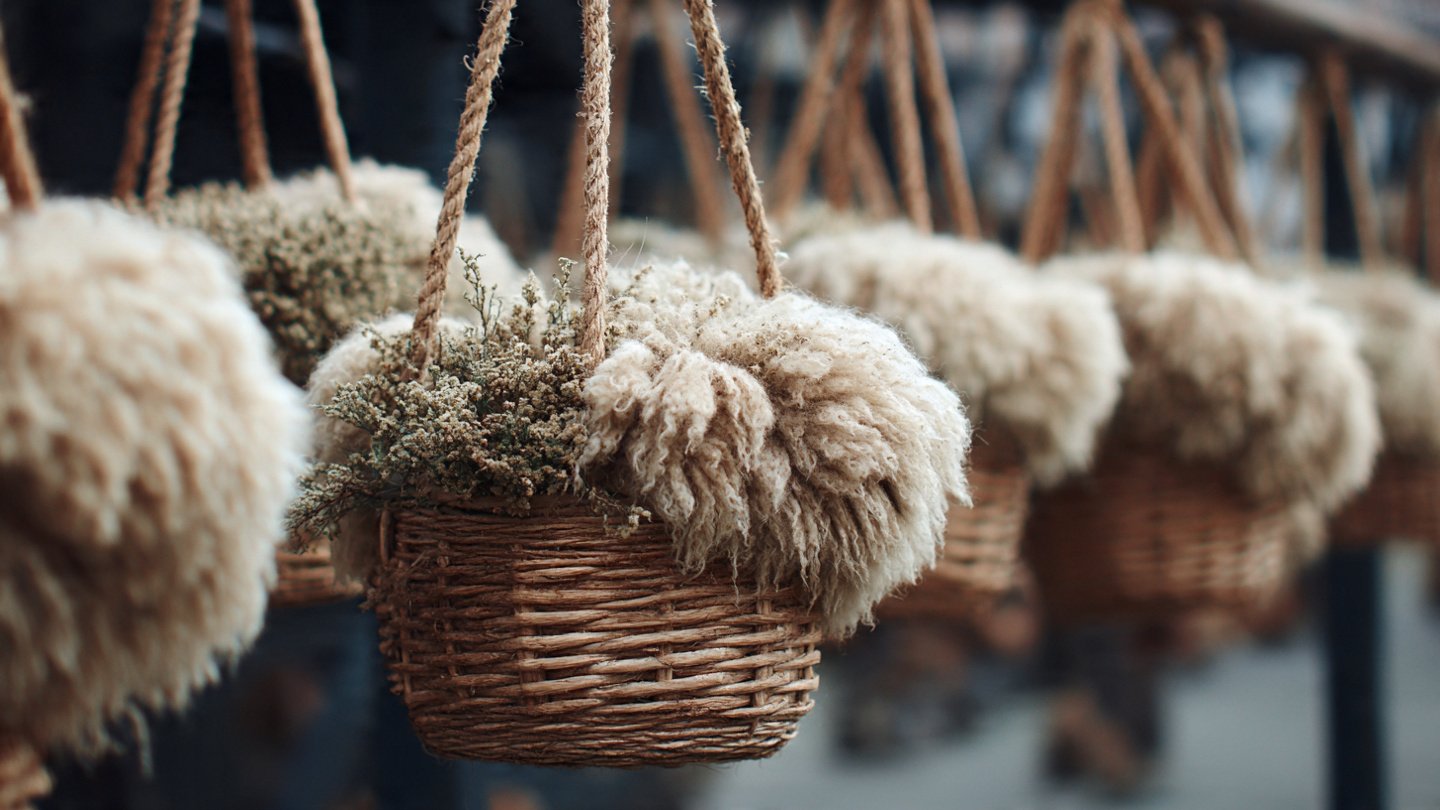
In recent years, gardeners have been leaning more towards sustainable and eco-friendly materials for their gardening needs. One such material gaining traction is sheep wool. Known for its versatility and effectiveness, sheep wool offers numerous benefits, particularly for hanging baskets. This article explores why you should consider using sheep wool in your hanging baskets.
The Benefits of Sheep Wool
Before delving into hanging baskets, it’s beneficial to understand the general advantages of using sheep wool in gardening.
- Natural and Biodegradable: Sheep wool is a completely natural material, making it environmentally friendly. It decomposes over time, enriching the soil rather than contributing to landfill waste.
- Water Retention: Wool can hold up to 30% of its weight in moisture, providing a moisture reservoir for your plants and reducing the need for frequent watering.
- Temperature Regulation: Wool regulates temperature within the potting medium, keeping roots warmer in cooler weather and cooler in high temperatures, promoting optimal growth.
- Nutrient Release: As sheep wool decomposes, it slowly releases nitrogen, providing a natural fertilizer to the plants.
- Pest Deterrent: The natural lanolin present in wool acts as a repellent for some pests, helping to protect your plants.
Advantages of Using Sheep Wool in Hanging Baskets
Hanging baskets can often be challenging to maintain due to their exposure to wind, sun, and sometimes neglect when it comes to watering. Incorporating sheep wool into the hanging baskets adds an extra layer of benefits:
1. Enhanced Drainage
Wool fibers create an excellent drainage system within the basket. This prevents water from pooling at the bottom while ensuring that the plants have access to enough moisture. Proper drainage is critical, especially in hanging baskets, where water can accumulate quickly.
2. Lightweight Material
Hanging baskets can get heavy, especially when filled with soil and plants. Sheep wool is light, adding minimal weight compared to traditional soil-based mixtures. This makes it easier to hang and relocate as needed.
3. Improved Air Flow
The fibrous structure of sheep wool allows for improved airflow. This not only benefits root health but also reduces the risk of root rot. Well-aerated soil prevents anaerobic conditions that can lead to plant diseases.
4. Longer Growth Cycle
Due to its nutrient-retaining properties, sheep wool extends the growth cycle of plants. The gradual release of nutrients supports healthy and sustained growth, allowing garden enthusiasts to enjoy flourishing foliage and blooms for longer periods.
How to Use Sheep Wool in Hanging Baskets
Integrating sheep wool into your hanging baskets is relatively straightforward. Here’s a simple guide to get you started:
- Gather Materials: You will need sheep wool, a hanging basket, potting soil, and your favorite plants.
- Prepare the Basket: Line the base of the hanging basket with a thick layer of sheep wool, creating a barrier that prevents soil from escaping while allowing water to drain.
- Add Potting Soil: On top of the wool, add your potting soil. Amending the soil with additional organic material can enhance nutrient availability.
- Plant Your Vegetation: Create small holes in the soil to insert your plants. Make sure to choose plants that will thrive together and their watering requirements align.
- Water Thoroughly: After planting, water the basket until the wool is saturated. This will help the wool start its moisture-retaining process.
Potential Challenges and Considerations
While sheep wool boasts numerous benefits, there are a few challenges and considerations you should keep in mind:
- Cost: Although wool is a sustainable option, it can be more expensive than traditional materials. Consider the long-term benefits and durability when assessing the initial investment.
- Availability: Depending on your location, finding quality sheep wool may be a challenge. Look for online retailers or local garden nurseries that specialize in eco-friendly gardening products.
- Humidity Levels: In very humid conditions, wool can become too waterlogged, leading to fungal growth. Monitor moisture levels and adjust your watering practices accordingly.
Conclusion
Integrating sheep wool into your hanging baskets is an innovative and sustainable choice that enhances both the health of your plants and your gardening experience. With its superior moisture retention, nutrient release, and lightweight properties, sheep wool creates an ideal environment for plant growth in hanging baskets. While there may be some challenges, the benefits far outweigh them, making sheep wool a perfect addition to any eco-conscious gardener’s toolkit.
FAQs
What types of plants can I use with sheep wool in hanging baskets?
You can use a variety of plants in sheep wool, including flowering annuals, herbs, and trailing plants. Just ensure that the plants have similar water and light requirements.
How often should I water my hanging basket lined with sheep wool?
Because of its moisture-retaining capabilities, you may not need to water as frequently as with traditional soil. Check the moisture level by feeling the soil; water when the top layer feels dry.
Is sheep wool safe for all types of plants?
Generally, yes. Sheep wool is organic and free from harmful chemicals. However, it’s always good to test a small area first with new plants to ensure compatibility.
Can I compost sheep wool after it is used?
Absolutely! Sheep wool is biodegradable and can be added to your compost heap to enrich your soil with nutrients.
Where can I buy sheep wool for gardening purposes?
You can find sheep wool at local garden centers, specialty organic gardening stores, or online retailers that focus on sustainable gardening products.