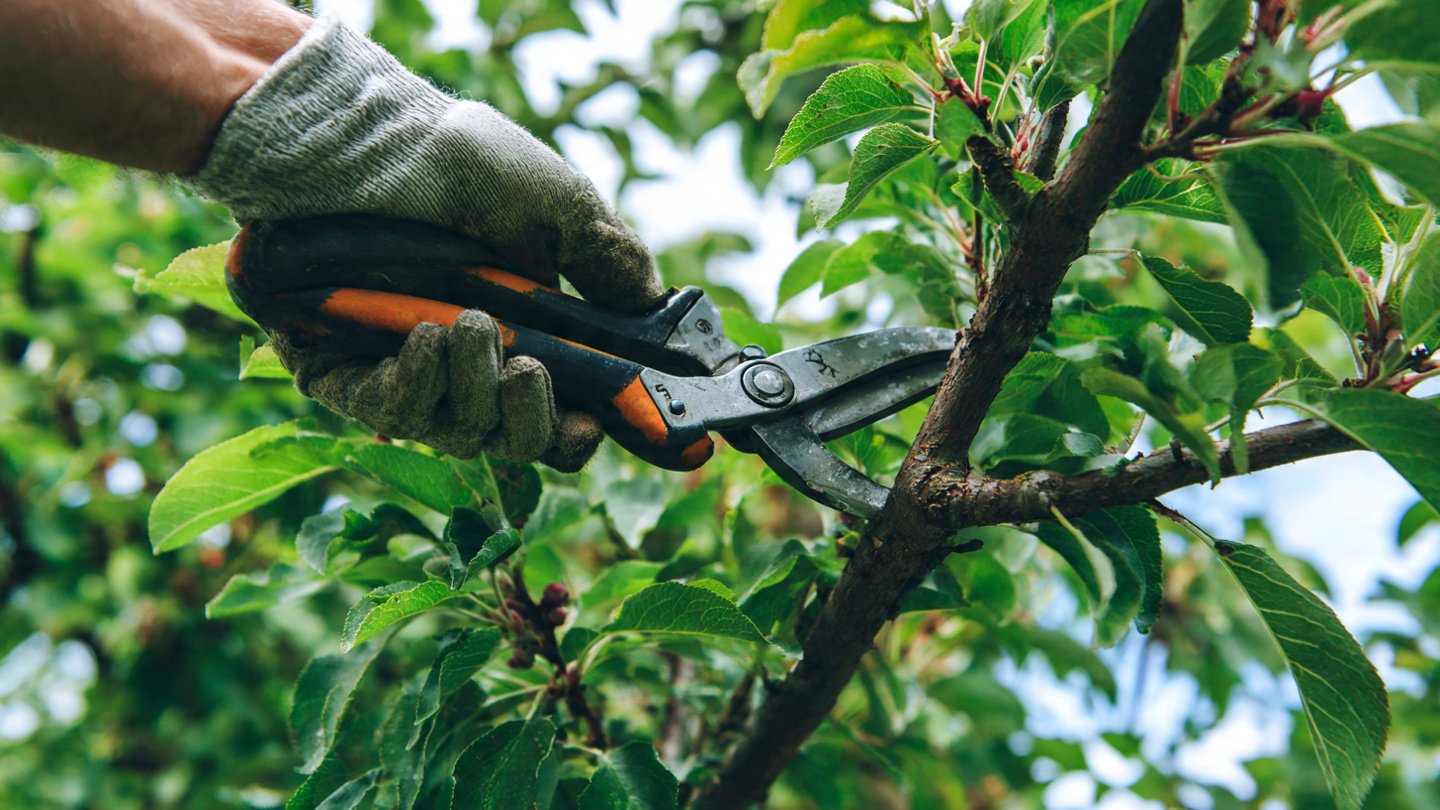
Pruning fruit trees is a vital part of maintaining healthy trees and ensuring good fruit production. Many gardeners believe that pruning should be reserved for colder months, but summer pruning can also be beneficial. However, the hot summer heat presents unique challenges. This article aims to guide you on how to prune your fruit trees effectively during these warm months.
Understanding the Importance of Pruning
Pruning helps in managing the size and shape of fruit trees, removes dead or diseased wood, and enhances air circulation and sunlight penetration. Each of these factors contributes to overall tree health and fruit quality. Summer pruning additionally encourages new growth, helps thin out heavy canopies, and can mitigate the risk of pests and diseases.
Benefits of Summer Pruning
- Improved Airflow: Summer pruning opens up the canopy, allowing better air circulation that helps prevent fungal diseases.
- Increased Sunlight: Thinning out branches ensures more sunlight reaches the leaves and fruit.
- Controlled Fruit Size: Pruning can help manage the size of the fruit, leading to a more uniform harvest.
- Encouragement of New Growth: Removal of older branches stimulates new growth, which is often more vigorous and healthy.
Timing Your Pruning
For effective summer pruning, timing is critical. The best time to prune is usually in late spring to early summer when trees are actively growing. However, during periods of extreme heat, it is best to wait for the cooler parts of the day, such as early morning or late afternoon, to reduce stress on the tree.
Tools You Will Need
Having the right tools makes the pruning process more manageable and ensures clean cuts. Essential tools include:
- Pruning Shears: Ideal for small branches and making precise cuts.
- Loppers: Used for thicker branches that cannot be managed with regular pruning shears.
- Saw: A hand saw for larger branches is essential to avoid damaging the tree.
- Gloves: Protect your hands and prevent injury.
- Disinfectant: To clean your tools, reducing the risk of disease transfer.
Steps for Effective Summer Pruning
1. Assess Your Tree
Begin by evaluating the overall health of your tree. Look for dead, damaged, or diseased branches. Also, consider the structure of the tree and whether it requires thinning.
2. Remove Dead or Diseased Wood
Start with removing any dead or diseased branches. Make cuts just above a healthy bud or lateral branch to encourage new growth.
3. Thin Out the Canopy
Selectively remove branches to improve airflow and sunlight penetration. Aim for a balanced structure, removing one or two branches from crowded areas without overdoing it.
4. Shorten Overly Long Branches
Cut back overly long branches to maintain the tree’s size and shape. Make your cuts at a 45-degree angle just above a bud to allow for new growth.
5. Monitor the Weather
After pruning, pay attention to the weather forecast. If the forecast predicts extreme heat or drought, consider watering your tree deeply to help it recover from pruning stress.
Water and Care Post-Pruning
After pruning, you must care for your trees to ensure they recover well. Adequate watering is crucial, especially in hot weather. Aim for deep watering sessions to help your trees establish strong roots. Mulching around the base of the tree can also help retain moisture and regulate soil temperature.
Common Mistakes to Avoid
- Heavy Pruning: Avoid removing too much foliage at once, as this can shock the tree.
- Improper Cuts: Always cut at a slight angle and above a bud to facilitate growth.
- Ignoring Tree Health: Neglecting the signs of disease can worsen tree health and yield poor fruit.
- Pruning During Heat Waves: It’s best to avoid pruning during peaks of extreme heat as it may stress the tree further.
Conclusion
Pruning your fruit trees during the summer heat can be beneficial when done correctly. Understanding the intricacies of timing, technique, and care can lead to healthier trees and better yields. By keeping the right tools on hand, assessing tree health, and following effective pruning practices, you can ensure your fruit trees thrive even in the hottest months. Proper care post-pruning is essential to help your trees bounce back and make the most of their growth potential.
FAQs
1. Can I prune all types of fruit trees in summer?
While summer pruning is beneficial for many types of fruit trees, some varieties may react differently. It’s best to consult specific guidelines for the type of tree you are pruning.
2. How do I know if my tree needs pruning?
If you notice crowded branches, dead wood, or signs of disease, it’s a good indication that your tree may benefit from pruning.
3. Should I use any special treatments after pruning?
Applying a good mulch around the tree can help retain moisture. If you see signs of disease, a diluted antifungal or antibacterial treatment may be necessary.
4. How often should I prune my fruit trees?
Generally, annual pruning is recommended, but the frequency may vary depending on the growth habits of the tree and your specific goals.
5. What should I do if I’m unsure about pruning?
If you are uncertain, consider consulting a local horticulturist or arborist. Proper advice can save time and ensure your trees remain healthy.