Introduction
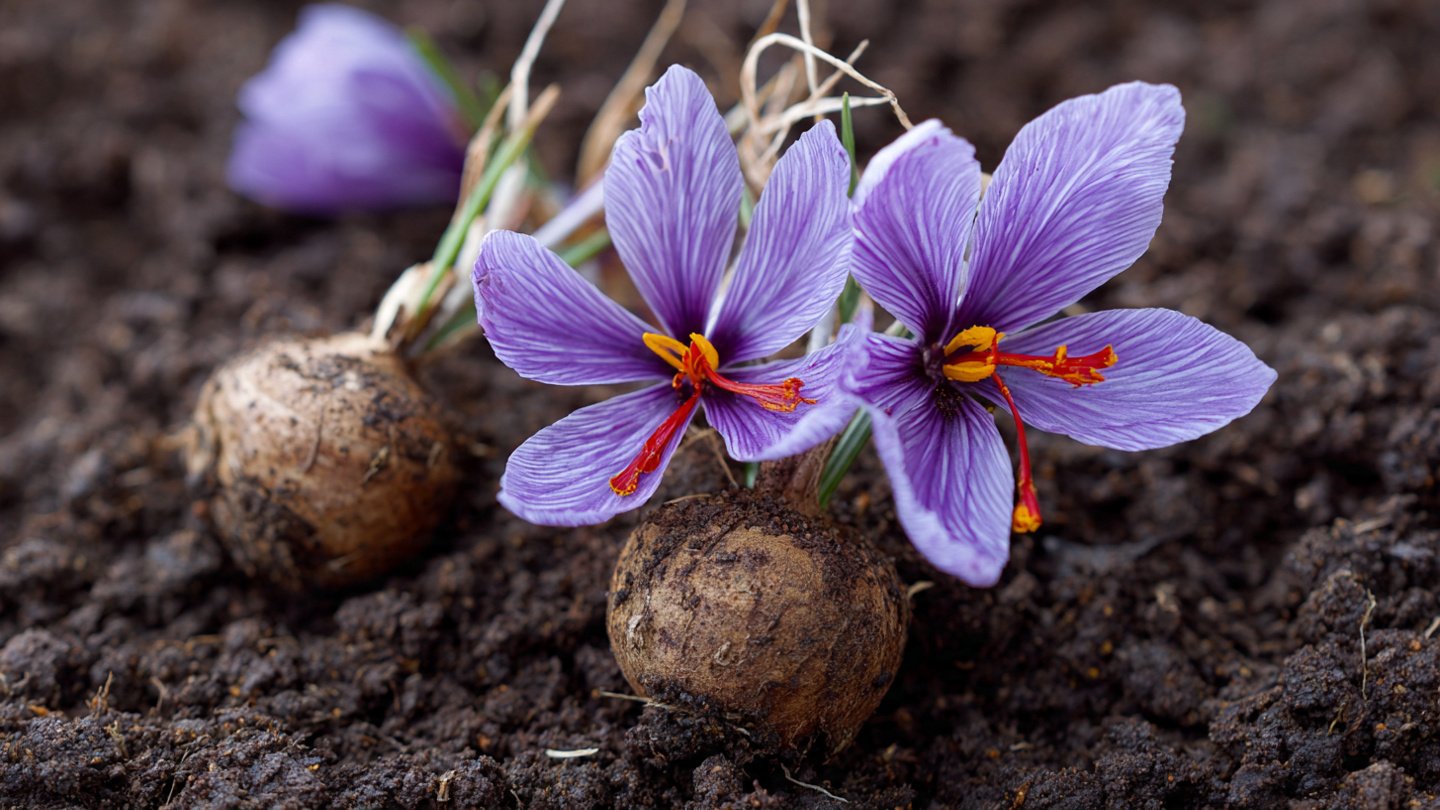
Saffron, known as the world’s most expensive spice, is derived from the flowers of the Crocus sativus plant. Each flower produces only three red stigmas, making saffron harvesting incredibly labor-intensive. With rising prices and increasing interest, many gardening enthusiasts are exploring the possibility of growing their own saffron. One common method for propagating saffron crocus is through dividing bulb offsets. In this article, we will examine whether cultivating your own saffron through this method is feasible and guide you on how to do it.
Understanding Saffron Crocus
The saffron crocus is a perennial plant that thrives in temperate climates. Its bulbs, or corms, are the storage organs that sustain the plant through dormancy. Understanding the biology of the saffron crocus is vital for successfully growing it. Each corm can produce multiple offsets; these offsets can be separated to grow new plants. This vegetative propagation method is not only efficient but also ensures genetic uniformity.
Choosing the Right Conditions
To cultivate saffron, it’s essential to replicate the plant’s natural environment. Here are the key conditions to consider:
- Climate: Saffron prefers temperate climates with well-defined seasons. Hot, dry summers and cold winters are ideal.
- Soil: Well-draining, sandy loam or chalky soils with a pH of 6-8 are preferable. Poorly draining soils can cause bulb rot.
- Sunlight: Saffron crocus requires full sun for optimal growth, so choose a location that receives at least 6 hours of direct sunlight daily.
Dividing Bulb Offsets
Dividing bulb offsets is a straightforward method for propagating saffron. Here’s how you can do it:
- Timing: The best time to divide corms is in early summer, after the flowering season and while the plant is still in its dormant phase.
- Identifying Offsets: Look for small corms that have formed around the main bulb; these are the offsets that can be separated for planting.
- Careful Extraction: Use a spade or trowel to carefully dig around the bulb without damaging it. Gently lift the corms from the soil.
- Separation: Gently twist or cut the offsets away from the main bulb. Ensure that each offset has some roots attached.
- Drying: Allow the separated offsets to dry in a cool, shady spot for a few days to prevent rot.
- Replanting: Plant the dried offsets 4-6 inches deep in well-draining soil, spacing them about 6 inches apart.
Care and Maintenance
After planting your saffron corms, maintaining the right conditions is crucial for successful growth:
- Watering: Saffron does not require frequent watering. Allow the soil to dry out between watering to prevent rot.
- Fertilization: Use a balanced fertilizer during the growing season to promote healthy growth. Avoid excessive nitrogen, which can hinder flowering.
- Pest Control: Keep an eye out for pests like aphids and rodents. Consider organic pest control methods if necessary.
Harvesting Saffron
The saffron flowers bloom in the fall, typically in October or November. Here’s how to harvest them:
- Timing: Harvest flowers in the morning, when they are fully open but not yet wilting.
- Careful Collection: Pluck the flowers gently and extract the delicate red stigmas immediately.
- Drying: Spread the stigmas on a paper towel in a warm, dry area. Allow them to dry completely before storing.
Conclusion
Growing your own saffron by dividing bulb offsets is indeed possible and can be a rewarding experience for both novice and seasoned gardeners. With the right conditions, care, and attention to detail, you can cultivate this luxurious spice in your own backyard. Although saffron cultivation requires patience and effort, the satisfaction of harvesting your own saffron flowers makes it well worth the investment. Whether you wish to use saffron for cooking or as an ornamental addition to your garden, following the steps outlined in this article can help you achieve success in your saffron-growing endeavor.
FAQs
1. How long does it take for saffron to grow after planting the bulbs?
Saffron usually takes about 8 to 12 months from planting the bulbs until the flowers bloom and can be harvested.
2. Can saffron be grown in pots?
Yes, saffron can be grown successfully in pots as long as the container has adequate drainage and the right soil conditions.
3. How many flowers can one corm produce?
One mature corm can produce multiple flowers each year, typically between 1 and 3 flowers, depending on the size and health of the corm.
4. Is saffron cultivation legal everywhere?
In most countries, saffron cultivation is legal; however, check local agricultural regulations before starting your farm.
5. How should saffron be stored after harvesting?
Store dried saffron threads in an airtight container, placed in a cool, dark place to maintain flavor and potency.