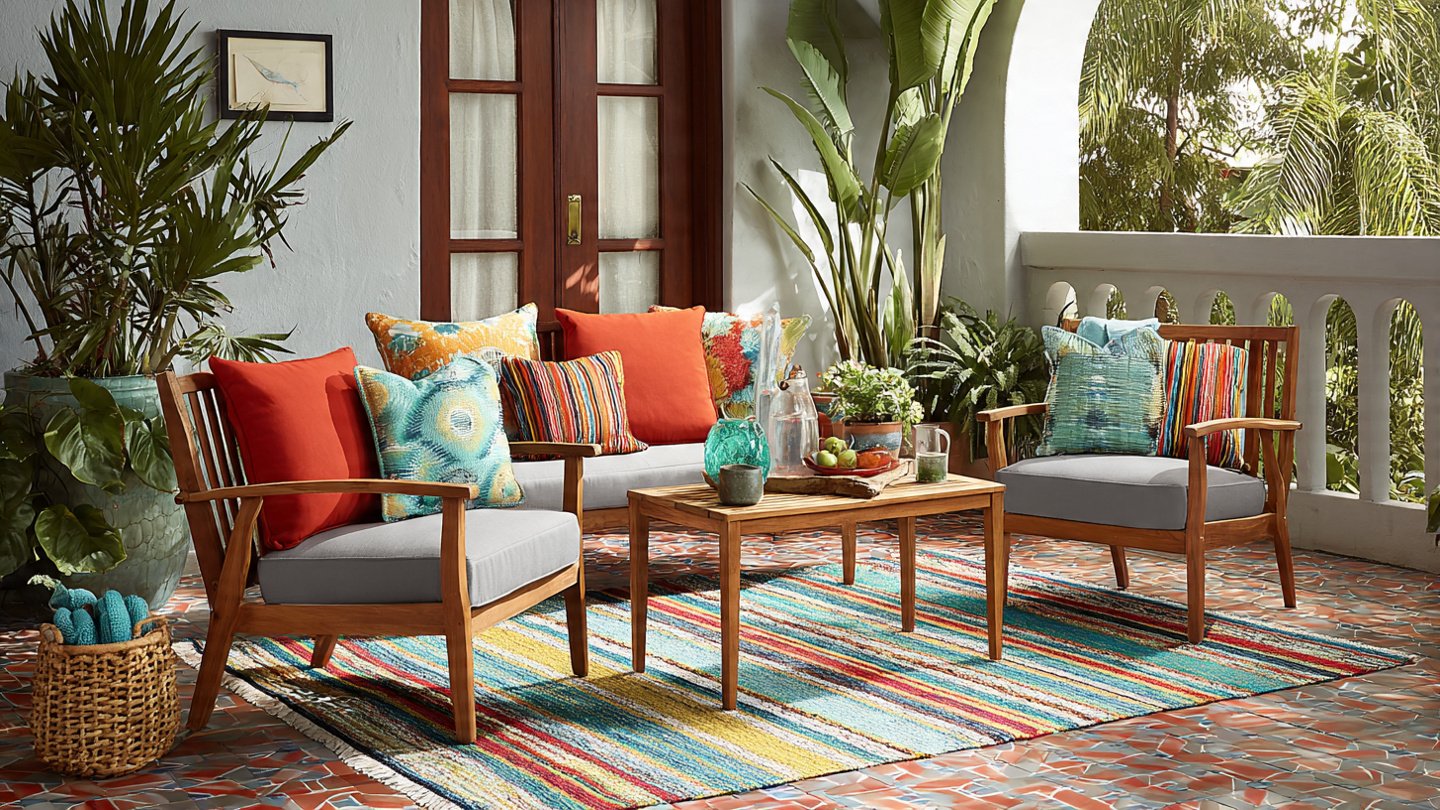
Choosing an outdoor rug that will not mold is crucial for maintaining a clean and inviting space. Mold can not only ruin the aesthetic of your outdoor area but can also pose health risks. This article explores essential considerations to help you select the right rug for your outdoor space without the worry of mold development.
1. Material Matters
The material of the outdoor rug significantly impacts its susceptibility to mold. Here are some options:
- Polypropylene: This is one of the most popular materials for outdoor rugs due to its water-resistant properties. Polypropylene rugs do not absorb moisture and are easy to clean.
- Nylon: Known for its durability, nylon is another excellent choice for outdoor settings. It also dries quickly, which helps prevent mold.
- Recycled materials: Some rugs are made from recycled plastic bottles. These eco-friendly options are typically resistant to moisture and mold.
When selecting a material, always check if it is specifically labeled as outdoor-friendly and mold-resistant.
2. Weave and Texture
The weave and texture influence how water and moisture interact with the rug. A tight weave is preferable, as it prevents water from pooling and minimizes dampness. Consider the following:
- Flatweave: Rugs with a flatweave design often dry out quicker, reducing the risk of mold. Their denser structure allows for better airflow.
- Low pile rugs: Low pile rugs allow water to escape more easily compared to thick, plush options. This design is beneficial in preventing mold.
3. UV Resistance
Managing moisture is vital, but UV exposure is another critical factor in rug longevity and health:
- UV-resistant materials: Look for rugs that offer UV protection. This feature not only protects the colors from fading but also helps reduce mold growth.
- Colorfastness: Ensure the rug is treated to resist color fading from the sun. Fades can indicate a less durable rug that may not hold up well in wet conditions.
4. Drainage and Airflow
Rugs that allow for drainage and airflow are less likely to develop mold. Consider the following:
- Open weave: Rugs with an open weave allow air to circulate, enabling moisture to evaporate faster.
- Outdoor mats: Piling an outdoor mat on top of a rug can help manage moisture; however, it’s best if the rug has its own drainage properties too.
5. Cleaning and Maintenance
Even the best outdoor rugs will require maintenance to prevent mold. You should:
- Regular cleaning: Sweep or shake off debris regularly to prevent dirt accumulation.
- Wash periodically: Depending on the material, some rugs may be machine washable or can easily be cleaned with soap and water.
- Store properly: During unfavorable weather conditions, such as heavy rain or snow, consider rolling up and storing your rug to prolong its life.
Establishing a cleaning routine will go a long way toward preventing mold growth on your outdoor rug.
6. Consider Local Climate
Your local climate plays a significant role in your outdoor rug’s performance:
- Humidity: In highly humid areas, choose rugs specifically designed to resist moisture absorption.
- Rainy seasons: Consider storing your rug or selecting designs specifically made to handle regular wet conditions.
- Sun exposure: High sun exposure can fade and weaken materials, leading to mold issues in less durable options.
7. Manufacturer’s Warranty and Reviews
Before making a purchase, consider:
- Manufacturer’s warranty: Look for rugs that come with a warranty. This often indicates the company’s confidence in their product’s durability and mold resistance.
- Customer reviews: Read reviews from other buyers to see how well the rug holds up against mold and environmental factors.
Conclusion
Choosing an outdoor rug that won’t mold involves careful consideration of several factors, including material, weave, UV resistance, airflow, and maintenance. By being diligent in your selection and care routines, you can enjoy an attractive and safe outdoor space free from mold. In addition, regularly monitoring your rug’s condition and considering local weather conditions will enhance its longevity and performance. Ultimately, the right outdoor rug can transform your outdoor space without the headache of mold-related issues.
FAQs
1. What should I look for in an outdoor rug to prevent mold?
Choose mold-resistant materials like polypropylene or nylon, look for low pile or flatweave designs, and ensure the rug allows for good drainage and airflow.
2. How often should I clean my outdoor rug?
It’s a good practice to clean your outdoor rug every few weeks, or more frequently in dusty or rainy conditions. Regular sweeping and occasional washing can help prevent mold growth.
3. Can I store my outdoor rug during bad weather?
Yes, it is advised to roll up and store outdoor rugs during heavy rain or snow to prolong their lifespan and prevent mold development.
4. Are there specific brands known for outdoor rugs resistant to mold?
Several brands specialize in outdoor rugs, including Mark & Graham, Dash & Albert, and Fab Habitat, which are known for producing durable, mold-resistant options.
5. Do outdoor rugs need to be treated against mold?
While many outdoor rugs come treated against mold, it’s advisable to check with the manufacturer if any additional treatments may be required, especially in humid climates.