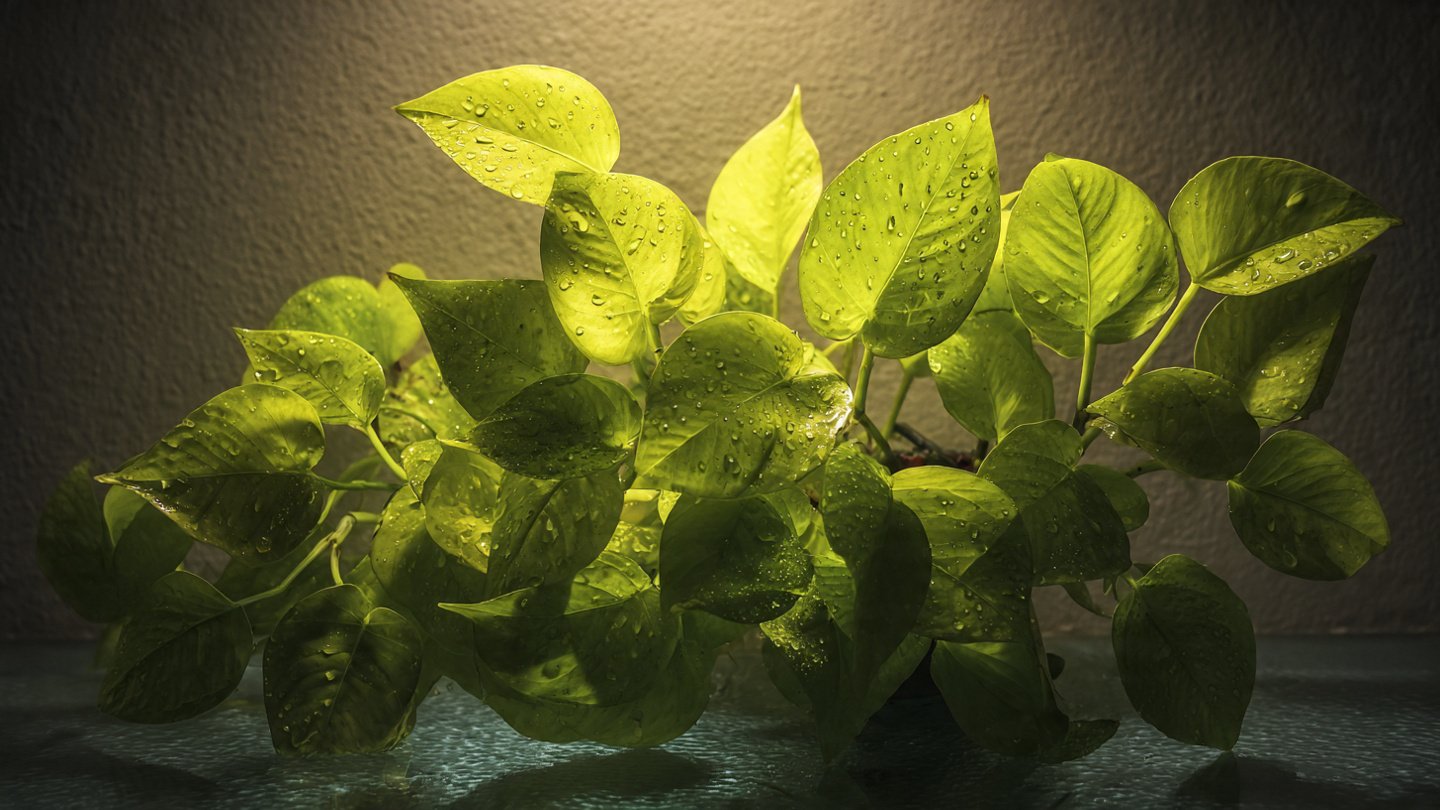
The Neon Pothos, known for its strikingly vibrant leaves, is a popular choice among indoor plant enthusiasts. Its ability to thrive in low-light conditions makes it a favorite for homes and offices. However, it’s essential to ensure that your Neon Pothos gets the optimal amount of light to maintain its health and vibrancy. In this article, we will explore the consequences of inadequate light on this captivating plant, how to identify the signs of light deficiency, and what steps you can take to alleviate the situation.
The Importance of Light for Neon Pothos
Like all plants, Neon Pothos relies on light for the process of photosynthesis, which allows it to convert carbon dioxide and water into glucose and oxygen. Light not only fuels this metabolic process but also plays a crucial role in overall plant growth, coloration, and leaf development.
Signs of Insufficient Light
When your Neon Pothos doesn’t get enough light, several telltale signs begin to emerge. Recognizing these symptoms early can help you take corrective action before further damage occurs.
- Legginess: One of the most common signs of insufficient light is legginess. If your plant appears to have long, spindly stems with widely spaced leaves, it’s a clear indicator that it is stretching toward the light source.
- Yellowing Leaves: Insufficient light can also lead to yellowing leaves. While yellowing can occur for various reasons, consistent yellowing in the absence of over-watering or pest infestations typically signals a light deficiency.
- Slow Growth: A healthy Neon Pothos will exhibit steady growth. If you notice that your plant’s growth has slowed dramatically, it could be due to inadequate light.
- Pale Leaves: Leaves that lose their vibrant yellow-green hue can indicate that your plant is struggling. If the yellow color of the leaves appears washed out or pale, it’s a sign of insufficient light conditions.
- Leaf Drop: In cases of prolonged light deficiency, the Neon Pothos may start dropping leaves. This is an effort by the plant to conserve energy.
Long-term Consequences
If left unaddressed, the issues stemming from insufficient light can lead to more severe consequences for your Neon Pothos.
- Weak Structure: Over time, the plant’s structural integrity may weaken, making it more susceptible to damage, disease, and pests.
- Reduced Vibrancy: With insufficient light, the characteristic vibrant color of the leaves may fade, significantly diminishing the aesthetic appeal of the plant.
- Increased Vulnerability: A weakened plant is more vulnerable to pest infestations and diseases, as it may not have the energy reserves needed to fend off such issues.
How to Provide Adequate Light
Fortunately, ensuring your Neon Pothos receives the right amount of light is relatively straightforward. Here are some strategies:
- Optimal Placement: Choose a location for your Neon Pothos where it can receive bright, indirect sunlight. A spot near a north or east-facing window is ideal.
- Grow Lights: If natural light is limited, consider using grow lights as an alternative. LED grow lights are energy-efficient and provide the right spectrum of light for photosynthesis.
- Regular Rotation: Regularly rotate your plant to ensure all sides receive equal exposure to light, encouraging even growth.
- Avoid Direct Sunlight: While bright, indirect light is necessary, be cautious of direct sunlight, which can scorch the leaves and lead to further issues.
Adjusting for Seasonal Changes
As seasons change, the intensity and duration of natural light can fluctuate significantly. During the shorter days of winter, you may need to adjust your plant’s placement or supplement lighting. Regularly check your plant for signs of stress and make necessary adjustments to its environment.
Conclusion
Providing adequate light is crucial for the health and vitality of your Neon Pothos. Recognizing the early signs of light deficiency can help you take timely action, ensuring your plant remains vibrant and thriving. By positioning your plant correctly and considering supplemental lighting, you can create an optimal environment that promotes healthy growth and stunning foliage. A little attention goes a long way in maintaining the beauty of your Neon Pothos, making it a shining star in your indoor garden.
FAQs
1. Can Neon Pothos survive in low light?
Yes, Neon Pothos can survive in low light conditions; however, their growth will be stunted, and they may lose their vibrant coloration over time.
2. What type of light is best for Neon Pothos?
Bright, indirect light is ideal for Neon Pothos. While they can tolerate low light, they thrive in brighter conditions.
3. How often should I move my Neon Pothos to get more light?
It’s a good idea to assess and potentially rotate your plant every few weeks to ensure even light exposure, especially if it is not growing uniformly.
4. How can I tell if my plant is getting too much light?
Signs of too much light include scorched or crispy leaves, brown spots, and curling leaves. If you observe these symptoms, consider relocating your plant to a less intense light environment.
5. Can I use artificial light for my Neon Pothos?
Absolutely! Grow lights can provide the necessary light spectrum for your Neon Pothos, especially in darker environments. Choose full-spectrum LED lights for optimal results.