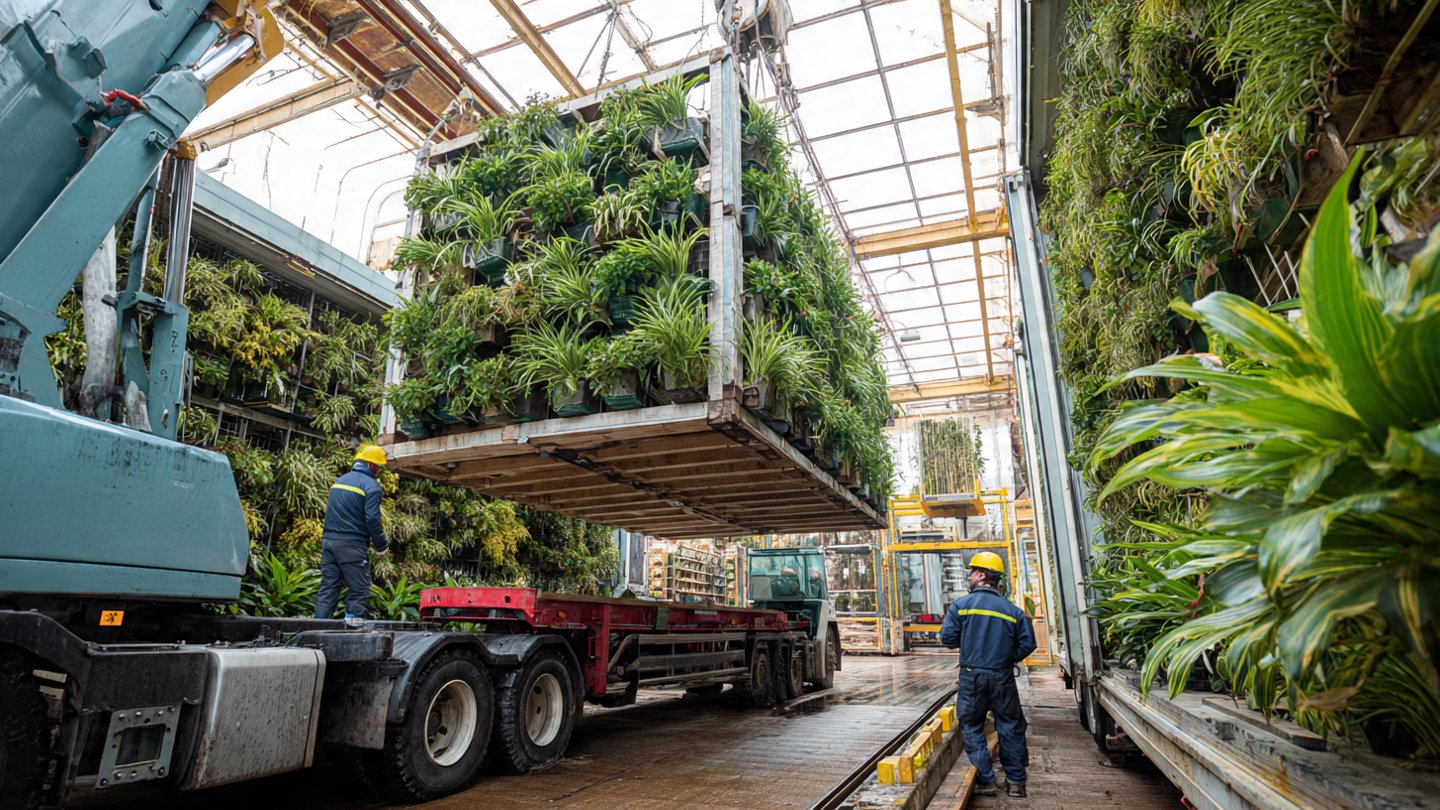
Moving large, heavy plants can be a challenging task, but with the proper techniques and tools, you can do it safely and efficiently. Whether you are relocating a potted tree, transferring a garden plant, or reorganizing your indoor plants, understanding how to lift and move them is crucial to avoid injury and ensure the plants thrive in their new location.
Understanding the Risks
Before we delve into the techniques for moving heavy plants, it’s essential to understand the potential risks involved:
- Physical Strain: Lifting heavy objects can lead to back injuries, muscle strains, and other physical issues.
- Plant Damage: Improper handling can harm the plant, leading to transplant shock, broken branches, or root damage.
- Environmental Hazards: Uneven surfaces, slippery conditions, or obstacles can increase the risk of accidents.
Preparing for the Move
Preparation is key to a successful plant relocation. Follow these steps to get ready:
Gather Your Supplies
Before you begin, ensure you have the following tools:
- Gloves: Protect your hands from soil, thorns, and sharp edges.
- Moving Straps or Carts: Use moving straps to help distribute the weight or a cart to avoid lifting entirely.
- Shovels and Trowels: For plants in the ground, you may need these tools to dig them out carefully.
- Plastic Wrap or Garden Fabric: Use this to secure the plant’s foliage during transit.
- Watering Can: Ensure the plants are hydrated before moving them.
Assess the Plant’s Condition
Examine the plant to determine its size, weight, and any special considerations. If the plant is top-heavy, it may require additional support. If it’s in a pot, check its drainage and soil moisture. Moving a hydrated plant is easier than a dry one.
Techniques for Moving Heavy Plants
Follow these steps to safely move your heavy plants:
1. Prepare the New Location
Before moving your plant, ensure that its new location is ready. Clear any obstacles, ensure the soil is prepared for planting, or set up the pot if it’s moving indoors.
2. Protect the Plant
Wrap the plant foliage with plastic wrap or fabric to minimize damage during transport. Secure it tightly to avoid breakage.
3. Use Proper Lifting Techniques
- Stand Close: Position yourself close to the plant to minimize the strain on your back.
- Feet Shoulder-Width Apart: Maintain a stable base to prevent tipping.
- Bend at the Hips and Knees: Lower your body to lift, keeping your back straight.
- Grip Firmly: Use both hands to hold the base of the plant or the pot.
- Lift with Your Legs: Engage your legs instead of your back to lift the plant. Keep the load close to your body.
4. Use Tools When Necessary
If the plant is exceptionally heavy, consider using a moving cart or dolly. Place the plant on the cart and secure it with straps for stability.
5. Moving the Plant
As you move the plant, keep it balanced. If you’re walking on uneven terrain, take small, deliberate steps. Watch for potential hazards in your path, such as roots or rocks.
6. Replanting
Once you reach the new location, plant it immediately or place it where it will receive the right amount of light and moisture. If it’s a potted plant, ensure it’s in a suitable spot for its growth requirements.
After the Move: Care and Maintenance
After relocating your plant, it’s important to nurture it back to health:
- Water Thoroughly: Ensure the plant is well-watered after the move, but avoid overwatering.
- Monitor for Stress: Watch for signs of transplant shock, such as yellowing leaves or wilting.
- Provide Optimal Conditions: Ensure proper sunlight, temperature, and humidity levels for the plant’s needs.
Conclusion
Moving large, heavy plants can be a daunting task, but with careful planning and the right techniques, you can do so safely and effectively. Remember to assess the plant’s condition, prepare both the old and new locations, and use proper lifting techniques to minimize injury. With a bit of effort and care, your plants will thrive in their new environments.
Frequently Asked Questions (FAQs)
1. What is the best time to move large plants?
The best time to move large plants is during the cooler months in spring or fall when the plants are dormant or less active. This minimizes stress on the plant.
2. Can I move large outdoor plants by myself?
While it’s possible to move large outdoor plants by yourself, it’s highly recommended to have help, especially for very heavy plants. Use tools like dollies or straps to assist you.
3. What should I do if my plant shows signs of shock after moving?
If your plant shows signs of shock (like wilting, yellowing leaves, or stunted growth), ensure it has enough water and is in the right light conditions. Avoid fertilizing until the plant recovers.
4. Is it safe to move potted plants in windy conditions?
It is best to avoid moving potted plants during high winds, as strong gusts can cause them to tip over or get damaged. Ensure safe conditions before moving.
5. How can I prevent plant damage during transportation?
Secure the plant’s foliage with wrap, use a sturdy cart for transport, and handle it gently to prevent damage to both the plant and its container.