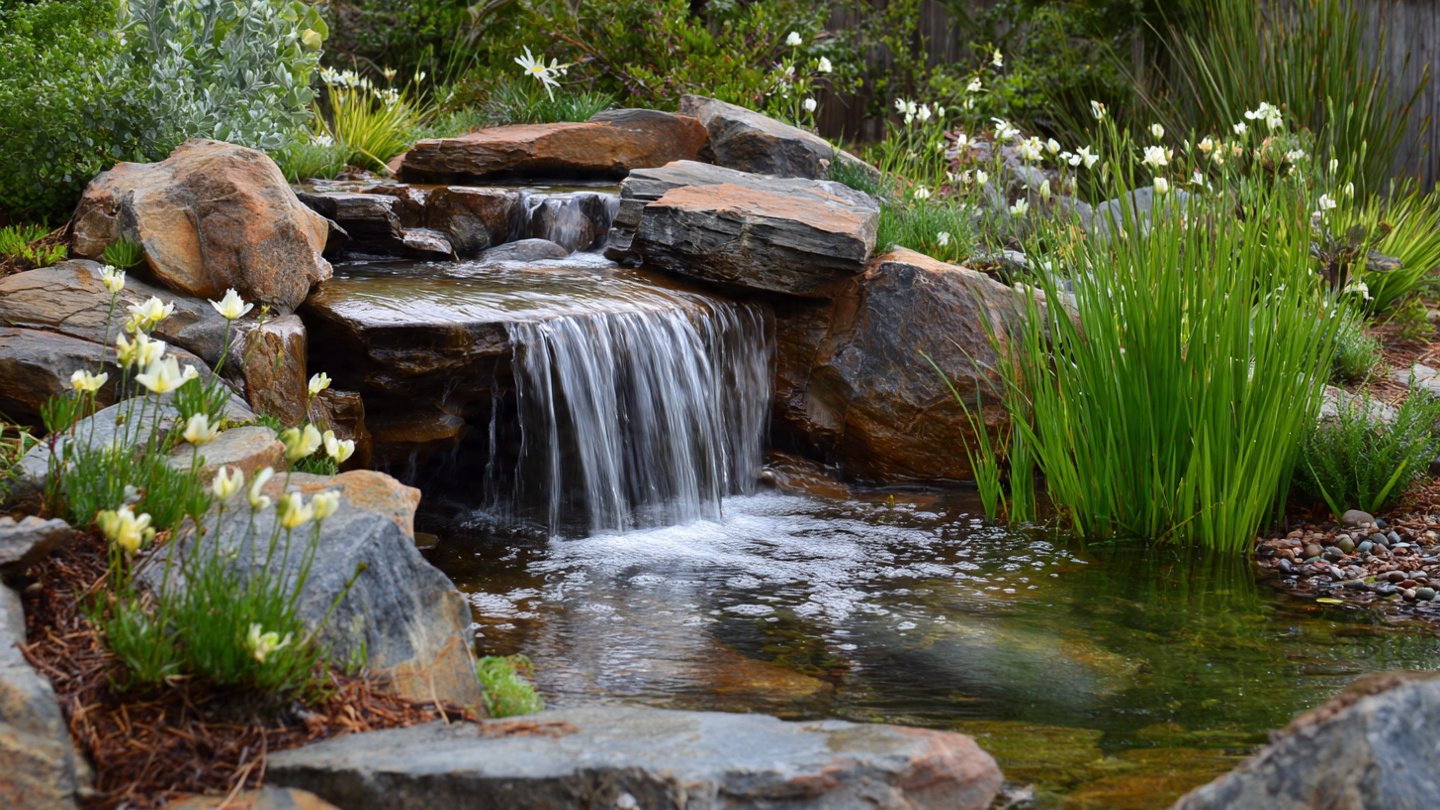
Creating a garden that attracts and supports pollinators is increasingly important for maintaining biodiversity. Bees, butterflies, and other pollinators play a crucial role in the ecosystem, assisting in the reproduction of many plants, including agricultural crops. One way to enhance your garden’s appeal to these vital creatures is by incorporating a water feature. This article explores how a water feature can transform your garden into a thriving pollinator paradise.
Understanding Pollinators
Before diving into the specifics of water features, it is essential to understand the different species of pollinators and their needs. Pollinators include:
- Bees: They are the most important pollinators, with diverse species ranging from honeybees to native solitary bees.
- Butterflies: Known for their beauty, butterflies are crucial for pollinating a wide variety of flowers.
- Hummingbirds: These tiny birds are attracted to brightly colored flowers and are essential for pollinating them.
- Other insects: Beetles, moths, and even some bats contribute to pollination.
The Benefits of Water Features for Pollinators
Water features, such as fountains, ponds, and birdbaths, offer numerous benefits that can help attract and support pollinator populations:
1. Hydration Source
Pollinators need water for survival, especially during hot summer months. A water feature provides a constant source of hydration. When bees and butterflies find a reliable water source, they are more likely to frequent your garden, enhancing its attractiveness.
2. Enhanced Biodiversity
Water features encourage a diverse ecosystem, attracting various wildlife, which creates a balanced environment. For instance, frogs and dragonflies, which feed on pests, can help control insect populations, offering a beneficial cycle for the garden.
3. Creating Habitat
Ponds and other water features can become mini-ecosystems. Native aquatic plants can thrive in and around the water, providing habitats for pollinators. This diversity of plants also attracts various pollinators, as they seek out different flowering species.
4. Aesthetic Appeal
A well-placed water feature adds sights and sounds to your garden, creating a peaceful environment that encourages longer visits from both pollinators and people. The calming sound of trickling water can make your garden more inviting, drawing in both wildlife and humans alike.
Types of Water Features to Consider
When planning your pollinator-friendly garden, consider which type of water feature suits your space and needs:
Ponds
Ponds can attract various pollinators if designed well. Adding native aquatic plants like cattails, water lilies, and irises can provide essential habitat for insects and amphibians. A pond with gently sloping edges allows easier access for pollinators.
Birdbaths
Simple birdbaths can also attract bees and butterflies. Ensure that the water is shallow and has some flat stones for insects to perch on. Consider placing the birdbath in a sunny spot surrounded by flowers to make it even more appealing.
Fountains
Fountains produce moving water, which is enticing for many pollinators. The sound and sight of trickling water can draw butterflies and bees while preventing algae growth. Opt for models that use recirculated water to maintain water quality and conserve resources.
Incorporating Plants Around Water Features
Choosing the right plants around your water feature can significantly enhance its pollinator appeal:
1. Native Plants
Native flowering plants are more likely to attract local pollinators. Select species that bloom at different times of the year to provide a continuous food source throughout the growing season.
2. Colorful Blooms
Flowers come in various colors, and different pollinators are attracted to different hues. For instance, bees are drawn to blue and yellow flowers, while butterflies are usually attracted to bright reds and oranges. A well-planned color palette can maximize your garden’s pollination potential.
3. Fragrant Plants
Butterfly bushes and many other fragrant plants can attract pollinators with their scent. Staggered planting of aromatic herbs, like lavender and mint, can create a welcoming environment for bees and butterflies.
Maintenance Tips for Your Water Feature
To ensure your water feature remains a welcoming spot for pollinators, regular maintenance is vital:
- Clean the Water: Keep the water fresh and free from debris to prevent stagnation and algae growth.
- Check Water Levels: Ensure there’s enough water in your feature, especially during hot weather.
- Remove Chemicals: Avoid using chemical treatments in or around your water feature, as these can harm delicate pollinators.
Conclusion
Integrating a water feature into your garden has the potential to transform it into a vibrant, pollinator-friendly paradise. By providing essential hydration, encouraging biodiversity, and creating appealing habitats, you are directly contributing to the health and sustainability of local ecosystems. With careful planning and maintenance, your garden can become a sanctuary for bees, butterflies, and other important pollinators while offering beauty and tranquility for your enjoyment. Creating such spaces not only enhances the value of your property but also plays a crucial role in supporting the wellbeing of our environment.
FAQs
1. What types of water features are best for attracting pollinators?
Ponds, birdbaths, and fountains are all effective water features for attracting pollinators. Each type can be designed to appeal to various species by providing accessible hydration options.
2. How deep should a pond be for pollinators?
A pond should have sloped edges and varying depths, with shallow areas being ideal for pollinators to access water safely.
3. Can I use chemicals in my water feature?
No, chemicals can harm pollinators. It’s best to maintain clean and natural water without chemical treatments.
4. How often should I clean my water feature?
Regular cleaning is essential, ideally once a week, to ensure the water stays fresh and free from debris and algae.
5. What plants are best to attract bees and butterflies around water features?
Native flowering plants such as echinacea, asters, and milkweed are excellent choices, as they provide nectar and habitat for various pollinators.