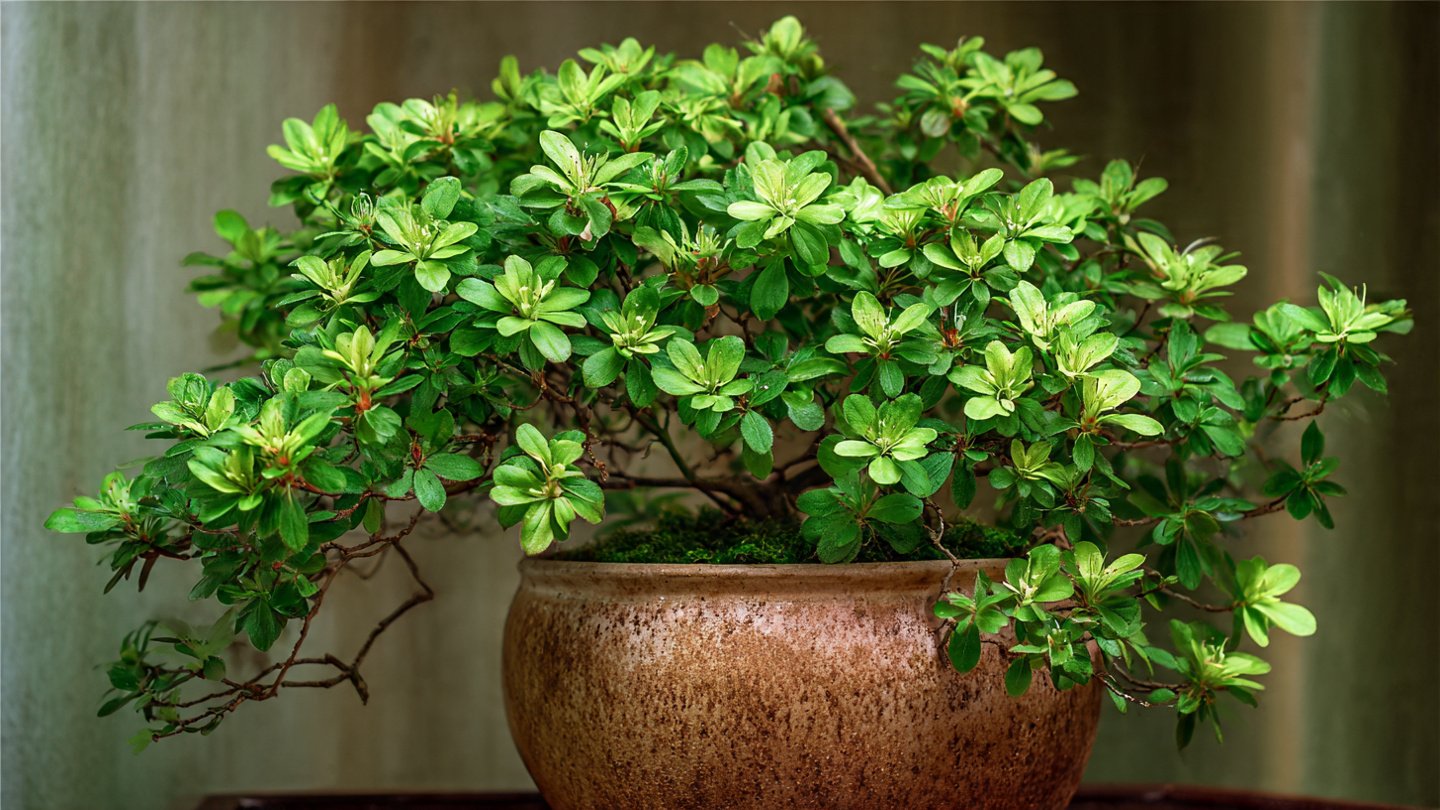
Azaleas are among the most cherished flowering shrubs, celebrated for their vibrant blooms and graceful foliage. However, many plant enthusiasts have encountered a disheartening sight: the sudden dropping of green leaves from their beloved potted azaleas. Several factors can contribute to this distressing phenomenon, and understanding them is crucial for restoring your plant to health. In this article, we will explore common causes of leaf drop in azaleas and provide practical solutions to help maintain their beauty.
1. Overwatering
Overwatering is one of the primary causes of leaf drop in azaleas. These plants prefer well-drained soil, and excess moisture can lead to root rot, a condition that hampers the plant’s ability to absorb nutrients.
Signs of Overwatering
- Yellowing leaves
- Leaf drop
- Soft, mushy roots
Solutions
To remedy overwatering, allow the soil to dry out between waterings. Always check the top inch of soil before watering again. If you suspect root rot, consider repotting the azalea with fresh, well-draining soil.
2. Underwatering
While overwatering is harmful, underwatering can also cause your azalea to drop its leaves. Azaleas require consistent moisture to thrive, especially during their growing season.
Signs of Underwatering
- Dry, crispy leaves
- Leaf curl
- Stunted growth
Solutions
To combat underwatering, establish a regular watering schedule. During warmer weather, you may need to water your azalea more frequently. Always ensure that the pot has drainage holes to prevent stagnant water.
3. Temperature Stress
Azaleas are sensitive to temperature fluctuations. Exposure to extreme heat or cold can lead to stress, causing the leaves to drop. Ideal temperatures for azaleas range between 60°F to 75°F (15°C to 24°C).
Signs of Temperature Stress
- Wilting leaves
- Leaf drop
- Change in leaf color
Solutions
Place your potted azalea in a location that receives indirect sunlight and is protected from drafts. If outdoor temperatures are fluctuating dramatically, consider bringing the plant indoors until conditions stabilize.
4. Poor Soil Conditions
Azaleas thrive in acidic, well-draining soil rich in organic matter. If your azalea is planted in unsuitable soil, it may struggle to absorb necessary nutrients, leading to leaf drop.
Signs of Poor Soil Conditions
- Stunted growth
- Discoloration of leaves
- Poor flowering
Solutions
To remedy this, consider repotting your azalea in an acidic potting mix specifically formulated for azaleas and rhododendrons. This will enhance nutrient availability and improve overall plant health.
5. Pests and Diseases
Insects and diseases can also cause leaf drop in azaleas. Common pests include aphids, spider mites, and scale insects, while fungal diseases can lead to significant leaf loss.
Signs of Infestation or Disease
- Visible pests or webs
- Brown spots or mold on leaves
- Sticky residue on leaves
Solutions
Regularly inspect your azalea for pests and treat infestations with insecticidal soap or neem oil. For fungal issues, ensure proper air circulation and avoid overhead watering, which can promote mold growth.
6. Transplant Shock
If you recently repotted or moved your azalea, it might experience transplant shock. This stress can lead to leaf drop as the plant adjusts to new conditions.
Signs of Transplant Shock
- Leaf drop
- Wilting
- Slow growth
Solutions
To minimize transplant shock, ensure the new pot is only slightly larger than the previous one and maintain consistent watering and care. Be patient, as azaleas may take time to adapt.
7. Seasonal Changes
Azaleas naturally experience leaf drop during certain seasons, particularly in late fall or winter when they go dormant. This is entirely normal and nothing to worry about.
Signs of Seasonal Leaf Drop
- Gradual leaf yellowing
- Natural leaf fall
Solutions
During dormancy, reduce watering and avoid fertilizing your azalea. Allow the plant to rest, and it will likely bounce back in the spring.
Conclusion
Leaf drop in potted azaleas can be caused by various factors, including overwatering, underwatering, temperature stress, poor soil conditions, pests, transplant shock, and seasonal changes. By carefully observing your plant and adjusting your care routine, you can address these issues and help your azalea thrive. Remember, patience is key as your plant adjusts to its environment.
Frequently Asked Questions (FAQs)
1. How often should I water my azalea?
Water your azalea when the top inch of soil feels dry. This generally means watering about once a week, but it can vary based on temperature and humidity.
2. What type of soil is best for azaleas?
Azaleas prefer acidic, well-draining soil rich in organic matter. Look for potting mixes specifically designed for azaleas and rhododendrons.
3. How can I tell if my azalea is too cold?
Signs of cold stress include wilting, leaf discoloration, and an overall lack of vitality. Azaleas should ideally be kept in temperatures between 60°F to 75°F (15°C to 24°C).
4. Can I save an azalea with root rot?
If you catch root rot early, it’s possible to save your azalea by repotting it in fresh, well-draining soil and being cautious with watering.
5. Is it normal for azaleas to lose leaves in winter?
Yes, it’s normal for azaleas to drop some leaves in winter as they enter dormancy. Ensure they are still properly cared for during this period.