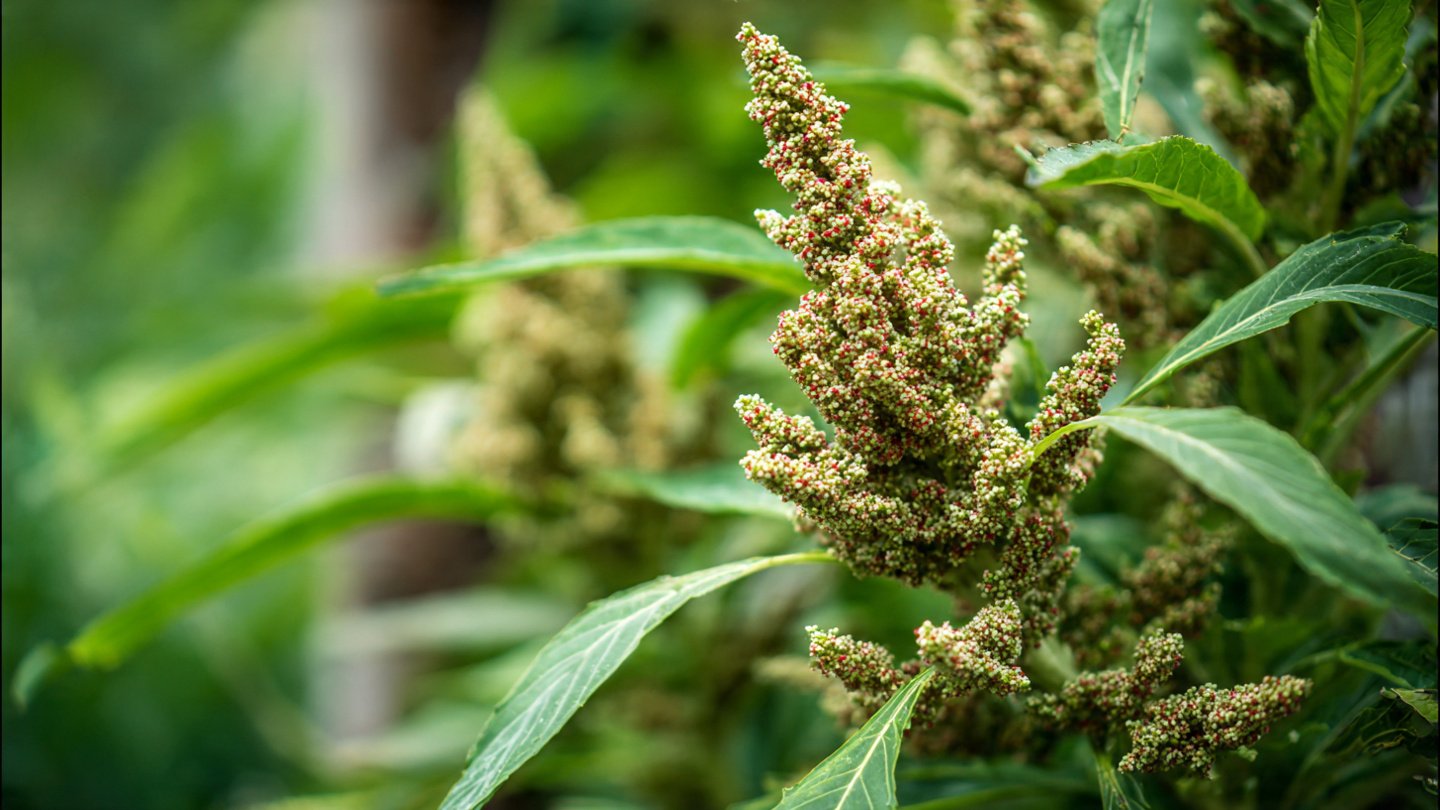
Introduction to Quinoa
Quinoa, often touted as a superfood, is a nutrient-dense seed that has gained popularity around the world for its high protein content and versatile culinary uses. Originating from the Andean region of South America, quinoa has been cultivated for thousands of years. Its resilience and adaptability to different climates have made it a food staple for many cultures. But can you really grow quinoa in your own backyard? Let’s explore this intriguing possibility.
Understanding Quinoa’s Growing Requirements
Climate and Soil Conditions
Quinoa thrives best in cooler temperatures, ideally between 60°F and 70°F (15°C to 21°C). It prefers well-drained, sandy-loam soils rich in organic matter. Quinoa can tolerate drought conditions, making it a great candidate for areas with less rainfall. However, it is sensitive to frost, so choosing the right planting time is crucial.
Sunlight Needs
Quinoa plants require full sun exposure, receiving at least 6 to 8 hours of sunlight daily. A sunny backyard with good air circulation can enhance growth and yield. Crowded or shaded areas may hinder the plant’s development.
Preparing to Plant Quinoa
Choosing the Right Variety
There are several varieties of quinoa, each with distinct flavor profiles and characteristics. Popular varieties include White, Red, and Black quinoa. Depending on your culinary preferences, researching these varieties can help in selecting the one best suited for your garden.
Soil Preparation
Before planting, ensure that the soil is well-drained and nutrient-rich. You can amend the soil by adding organic matter such as compost or aged manure. Conducting a soil test can provide insights into nutrient levels and pH, allowing you to make necessary adjustments.
Planting Timeline
Quinoa is sensitive to frost, so it’s essential to wait until the last frost date has passed before sowing. In most areas, quinoa planting occurs in late spring. Follow the recommendation based on your local climate, typically about 2 to 4 weeks after the last frost.
Planting Techniques
Seed Sowing
Seeding can be done directly in the garden after the soil temperature reaches about 60°F (15°C). Plant seeds about 1 inch (2.5 cm) deep and 10 to 12 inches (25 to 30 cm) apart. If you’re unsure about spacing, consider starting them closer together and thinning them out later as they grow.
Caring for Quinoa Plants
Quinoa is relatively low maintenance. Water your plants regularly, especially during dry spells. The plant is drought-tolerant, but if you notice wilting or a decline in growth, increase your watering frequency. Additionally, keep an eye out for pests and diseases. Common pests include aphids and leafhoppers, while diseases like downy mildew can affect growth. Organic insecticides and neem oil can help manage these issues.
Harvesting and Processing Quinoa
When to Harvest
Harvesting typically occurs in late summer or early fall, about 90 to 120 days after planting. Each plant will produce clusters of seed heads, which will change from green to a golden or reddish color when ready for harvest. It’s essential to watch the plants closely and harvest when the seeds are dry and firm.
Processing Your Quinoa
Once harvested, quinoa seeds need to be thoroughly rinsed to remove saponins, a natural coating that can impart a bitter taste. Rinse the seeds in cold water until the water runs clear. After rinsing, dry the seeds and store them in an airtight container. If you have a larger harvest, you may want to consider options for storing or processing in bulk.
Common Challenges
While growing quinoa can be rewarding, certain challenges may arise. Pests, diseases, and unfavorable weather can hamper growth. Moreover, if quinoa is planted too close together, it can lead to reduced seed production. It’s vital to be vigilant and adaptable as you navigate these challenges.
Benefits of Growing Quinoa
Health Benefits
Growing quinoa in your backyard offers a host of health benefits. It is gluten-free, high in protein, and rich in vital nutrients such as fiber, magnesium, and iron. By cultivating quinoa, you’re also ensuring access to fresh, organic produce right from your own garden.
Environmental Impact
In addition to personal health benefits, growing quinoa can have positive environmental impacts. By cultivating plants in your backyard, you reduce the carbon footprint associated with transporting food. Moreover, quinoa is a resilient crop that can help enrich local soils and support biodiversity.
Conclusion
In conclusion, growing quinoa in your backyard is not only possible but can also be a fulfilling and nutritious endeavor. With careful attention to climate, soil, and care, anyone can cultivate this versatile superfood. Whether you’re looking to enhance your culinary options, improve your health, or contribute positively to the environment, quinoa is an excellent choice. So why not consider adding this remarkable plant to your home garden?
FAQs
Can quinoa be grown in pots?
Yes, quinoa can be grown in pots as long as the container is deep enough to allow for root growth. Choose a pot that is at least 12 inches deep and ensure proper drainage.
What are the best companion plants for quinoa?
Companion plants that work well with quinoa include beans, corn, and nasturtiums. These plants can help deter pests and improve the growing conditions for quinoa.
How do I know when quinoa seeds are ready to harvest?
Quinoa seeds are ready to harvest when the seed heads have dried out, and the seeds feel firm. The color will change from green to a golden or reddish hue.
Is it expensive to grow quinoa?
The cost to grow quinoa can vary, but it is relatively low since the seeds can be bought in bulk, and the plants require minimal maintenance. Once established, they can yield a bountiful harvest.
Why is quinoa sometimes considered a superfood?
Quinoa is called a superfood due to its high nutrient profile, including high protein, fiber content, essential amino acids, vitamins, and minerals. It offers numerous health benefits, including supporting weight loss and promoting heart health.