Why Are Honeyberries Gaining Popularity Over Blueberries?
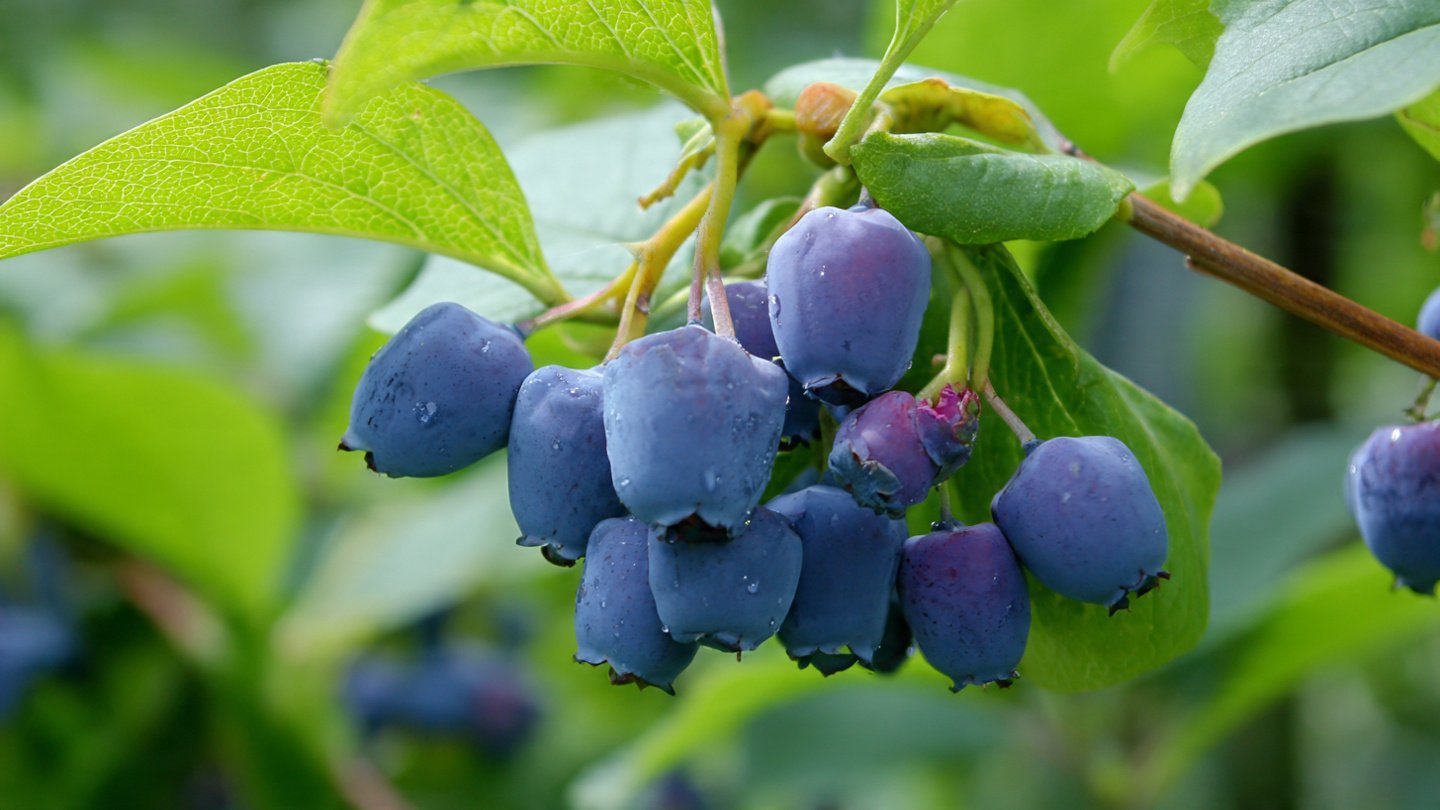
In recent years, honeyberries (Lonicera caerulea), also known as Haskap berries, have captured the attention of fruit lovers and health enthusiasts alike, striding into the spotlight traditionally occupied by blueberries (Vaccinium spp.). This uptick in popularity raises a crucial question: why are honeyberries gaining favor over their blue counterparts? This article delves into factors such as flavor profiles, nutritional values, agricultural practices, environmental adaptability, and market trends that signify the rise of honeyberries.
The Flavors of Honeyberries vs. Blueberries
One of the primary reasons for the growing interest in honeyberries is their unique flavor profile. Honeyberries have a distinct taste that’s often described as a blend of raspberry and blueberry, with a hint of tartness that makes them versatile for various culinary uses. While blueberries are sweet, honeyberries provide a more complex flavor experience that can enhance desserts, salads, and even savory dishes.
Moreover, honeyberries have a juiciness that appeals to those looking for refreshing fruit options. Their unique taste allows them to be used in a broader array of recipes, from jams to smoothies. As consumers become more adventurous with their food choices, the honeyberry’s intriguing flavor is resonating well with those seeking alternatives to the more predictable blueberry.
Nutritional Benefits: A Closer Look
When comparing honeyberries and blueberries nutritionally, both fruits are powerhouses packed with vitamins and antioxidants. However, honeyberries tend to have a slightly higher concentration of certain key nutrients. For instance, honeyberries are rich in vitamin C, vitamin A, and various phenolic compounds that contribute to their antioxidant properties.
Research indicates that honeyberries possess a higher ORAC (Oxygen Radical Absorbance Capacity) value than blueberries, meaning they are more effective at neutralizing free radicals in the body. This can lead to enhanced health benefits, including improved immune function and reduced inflammation. As consumers become more health-conscious, particularly those interested in superfoods, honeyberries may start to take precedence.
Agricultural Advantages
From an agricultural perspective, honeyberries offer several advantages over blueberries that are appealing to growers.
-
Hardiness: Honeyberry plants are remarkably hardy and can thrive in a variety of climates, particularly in colder regions. They are resilient to winter temperatures as low as -40°F (-40°C), making them suitable for northern growers who struggle with the challenges of cultivating traditional blueberries.
-
Pest Resistance: Honeyberries demonstrate greater resistance to common pests and diseases compared to blueberries. This reduced vulnerability can lower the need for chemical pesticides, making them an appealing choice for organic farming and environmentally conscious growers.
-
Yield: Honeyberries offer high yields and can produce fruit in just a couple of years after planting. In contrast, blueberry bushes often take several years to mature before yielding a substantial harvest. This quicker turnaround is attractive not only to individual growers but also to commercial farmers looking to maximize their investment.
-
Pollination: Honeyberries are typically self-pollinating but also benefit from cross-pollination, improving fruit set and size. When planted near different honeyberry varieties, growers can increase their yields further. This has led to the development of a variety of cultivars, each offering unique flavor profiles and characteristics.
Environmental Sustainability
In a world increasingly concerned about sustainable practices, honeyberries offer an environmentally friendly option. Their ability to thrive in diverse conditions means they can be integrated into various agricultural systems without adversely affecting the environment. This adaptability minimizes the need for irrigation and chemical inputs, positioning honeyberries as a sustainable choice for consumers who prioritize eco-friendly options.
Furthermore, honeyberries can be cultivated in a manner that promotes biodiversity. They attract various pollinators and beneficial insects, which help maintain healthy ecosystems. As consumers become more conscious of their food choices’ impacts on the environment, the sustainability of honeyberries may contribute to their increasing popularity.
Market Trends and Consumer Demand
Market trends have shown a significant shift in consumer preferences toward novel and lesser-known fruits. As “superfoods” continue to dominate the health-food scene, honeyberries have emerged as a strong candidate for this title. Their high antioxidant content and unique health benefits align seamlessly with current consumer interests, stimulating demand.
Food retailers and specialty markets are beginning to stock honeyberries and related products, raising general awareness about the fruit. As culinary trends evolve, chefs and food bloggers are incorporating honeyberries into their dishes, further bolstering their visibility. Awareness plays a crucial role in consumer purchasing behavior, and as more people encounter honeyberries in various settings, they are likely to try them, leading to sustained growth in popularity.
Culinary Versatility
The culinary versatility of honeyberries cannot be overstated. They can be eaten fresh, frozen, or processed into jams, jellies, and sauces. Honeyberries’ unique balance of sweetness and tartness makes them ideal for both sweet and savory dishes. As chefs experiment with flavors, honeyberries can be incorporated into salads, dressings, and even meat dishes, appealing to a broader range of palates.
In contrast, while blueberries have their culinary applications, they might not offer the same level of versatility due to their sweeter, more straightforward flavor profile. The potential for crafted beverages—like honeyberry wines, ciders, or cocktails—adds another layer to their appeal, allowing mixologists to explore and express their creativity.
Health Trend Alignment
The health and wellness trend continues to gain traction as individuals pursue more nutritious lifestyle choices. Honeyberries fit perfectly within this paradigm, thanks to their dense nutrient profile and health benefits. Health-focused consumers are often drawn to innovative foods that support their wellness goals.
As people seek out functional foods—foods that offer additional health benefits beyond basic nutrition—honeyberries rise to the occasion. Their potential role in supporting immune health, improving digestion, and providing anti-inflammatory benefits positions them favorably in an increasingly health-centric marketplace.
Community and Local Farming
Consumer interest in locally sourced and community-supported agriculture has been spurred by movements toward sustainable eating and supporting local economies. Honeyberries are often cultivated by smaller farmers and local growers, creating opportunities for consumers to connect directly with their food sources. This community-oriented aspect enhances the appeal of honeyberries, as many consumers value knowing where their food comes from and how it’s produced.
Farmers’ markets, CSAs (Community Supported Agriculture), and local farm stands are beginning to showcase honeyberries, further increasing consumer exposure and encouraging people to try this unique fruit. The trend toward local sourcing not only supports small farmers but also fosters a deeper understanding of seasonal eating.
The Future of Honeyberries
As the conversation around food continues to evolve, honeyberries are poised to play a significant role in the narrative of sustainable agriculture and health. Their distinctive flavor, coupled with a strong nutritional profile and environmental benefits, places honeyberries in a favorable position as not just an alternative to blueberries, but as a preferred option for many fruit consumers.
As more research is conducted and consumer knowledge about honeyberries continues to expand, the potential for growth in this sector looks promising. Innovations in cultivation methods, processing, and culinary applications will likely contribute to the broader acceptance of honeyberries.
In conclusion, the rise of honeyberries over blueberries can be attributed to a variety of factors: their unique flavor, nutritional advantages, agricultural benefits, sustainability, and alignment with current market trends. As consumers search for new experiences and innovative foods that offer health benefits while catering to their evolving palates, honeyberries are well-positioned to capitalize on this demand, marking a new chapter in the fruit world. With their potential for culinary versatility and benefits to both personal health and the environment, honeyberries are not only gaining popularity; they may define the future of fruit consumption.