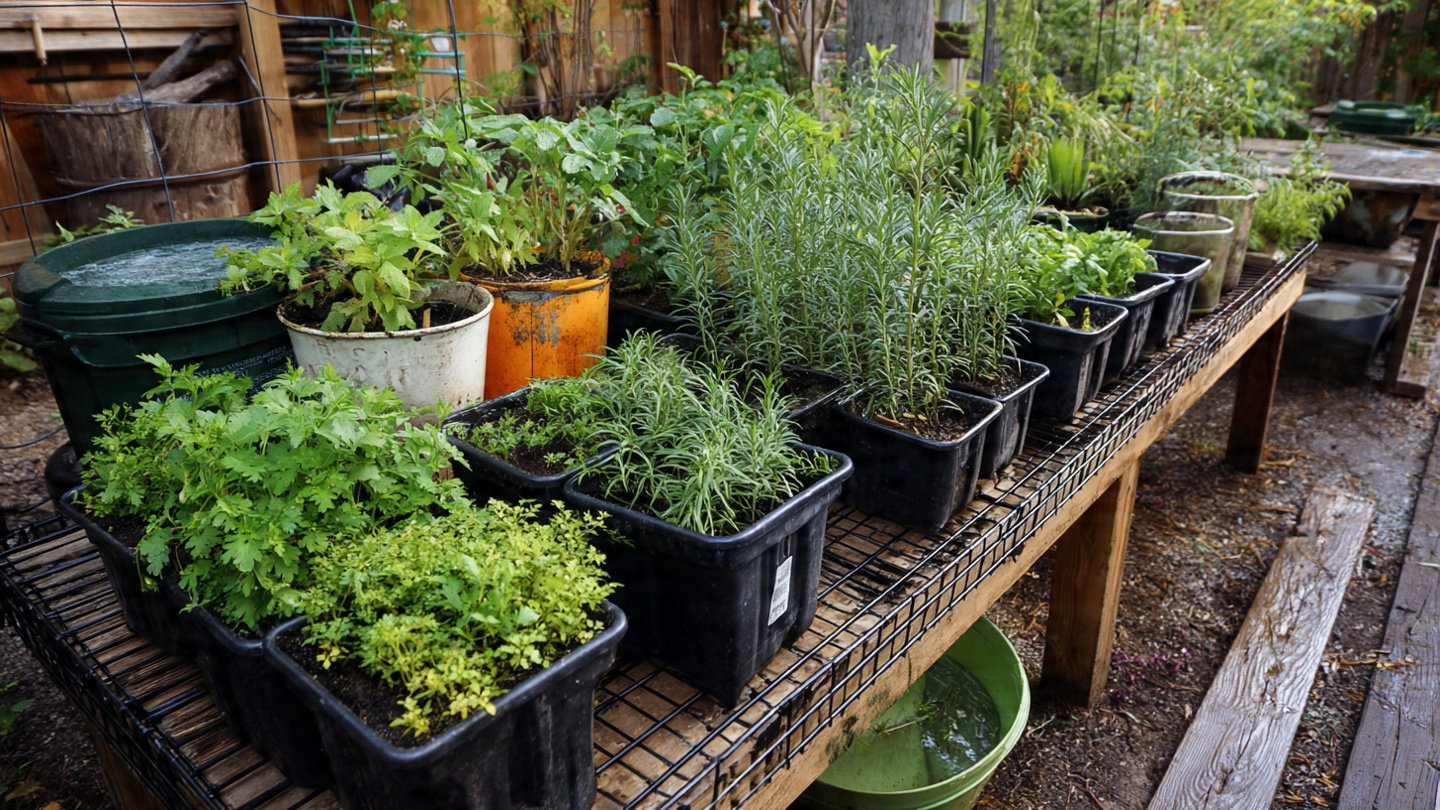
Herb gardens are a delight for home gardeners, providing fresh ingredients that can elevate meals and add vibrant flavors to dishes. While many gardeners focus on soil types and plant choices, the addition of the right fertilizer can truly transform these green spaces. One such fertilizer that has gained popularity among organic gardeners is fish emulsion. This natural fertilizer not only boosts plant growth but also enriches soil health. In this article, we’ll explore how fish emulsion fertilizer can enhance your herb garden and offer a step-by-step guide on effective application.
Understanding Fish Emulsion Fertilizer
Fish emulsion is a byproduct of the fish processing industry. It is created by hydrolyzing fish waste into a concentrated liquid form, retaining essential nutrients that plants crave. This fertilizer is rich in nitrogen, phosphorus, potassium, and micronutrients, making it an all-around powerhouse for plants, especially herbs.
Nutritional Profile
- Nitrogen: Essential for plant growth, nitrogen promotes lush, green foliage and overall plant vigor.
- Phosphorus: This nutrient supports strong root development and enhances flowering and fruiting, critical for herbs that produce flowers.
- Potassium: It aids in water regulation and helps plants endure stress, leading to stronger herb plants that can thrive in various conditions.
- Micronutrients: Elements like calcium, magnesium, and sulfur are also present in fish emulsion, contributing to overall plant health.
Advantages of Using Fish Emulsion
- Organic Matter: Fish emulsion helps improve soil structure, encourages beneficial microbial activity, and fosters a vibrant ecosystem in the soil.
- Quick Absorption: Fish emulsion is easily absorbed by plants, providing a quick nutrient boost.
- Sustainable: Being a natural byproduct, fish emulsion is an environmentally friendly option compared to synthetic fertilizers.
- Odor: While fish emulsion has a distinct smell, many gardeners find it more tolerable than other organic fertilizers.
Transforming Your Herb Garden: Benefits of Fish Emulsion
1. Enhanced Growth Rates
The nitrogen in fish emulsion plays a crucial role in promoting robust growth in herb plants. When applied regularly, herbs like basil, parsley, and cilantro will experience accelerated leaf production, allowing for a more abundant harvest.
2. Vibrant Flavor Profiles
Healthy plants produce better flavors. Fish emulsion can enhance the taste of your herbs. For example, basil grown with fish emulsion tends to develop a more aromatic and intense flavor, making it a favorite for culinary uses.
3. Improved Soil Health
Regular use of fish emulsion contributes organic matter to the soil, improving its structure and fertility. Healthy soil supports beneficial microorganisms that break down nutrients and make them more accessible to plants. This, in turn, leads to a flourishing herb garden.
4. Increased Pest and Disease Resistance
Plants nourished with balanced nutrition are more resilient to pest infestations and diseases. Herbs like rosemary and thyme not only thrive but also tend to produce essential oils that can naturally deter pests.
5. Eco-Friendly Gardening
Using fish emulsion aligns with sustainable gardening practices. It helps reduce your environmental footprint by utilizing waste products that would otherwise be discarded. It also promotes organic farming, ensuring that your herbs are free from synthetic chemicals.
How to Use Fish Emulsion in Your Herb Garden
Step 1: Choosing Quality Fish Emulsion
Not all fish emulsions are created equal. When selecting a product, look for one that is organic and free from additives or chemical preservatives. It’s generally available in liquid form, making it easy to mix with water and apply.
Step 2: Preparing the Solution
Fish emulsion is concentrated, so you’ll need to dilute it before application. A common dilution ratio is 1 tablespoon of fish emulsion for every gallon of water. This mixture can be adjusted based on specific herb needs; for instance, heavy feeders may require a slightly stronger solution.
Step 3: Application Timing
- Early Growth Stage: Apply fish emulsion when your herbs are seedlings or just transplanted. This will help them establish strong roots.
- Mid-Growth: As the plants mature, particularly during their active growing phase, applying fish emulsion every 4-6 weeks will encourage further growth.
- Pre-Flowering Stage: For herbs that produce flowers, a dose of fish emulsion before blooming can enhance flowering and seed set.
Step 4: Application Methods
- Watering Can: Use a watering can to apply the diluted solution directly to the soil around the base of your herb plants.
- Foliar Spray: Fish emulsion can also be used in a foliar spray (though it’s advisable to dilute it to about 1 teaspoon per quart of water) for fast nutrient absorption through leaves.
Step 5: Frequency of Application
Fish emulsion can be applied every 4-6 weeks during the growing season. During winter, reduce or pause applications as most herbs will be dormant. Always monitor your plants for signs of nutrient deficiency or excess and adjust your feeding schedule accordingly.
Potential Challenges and Solutions
Odor Concerns
One of the main drawbacks of fish emulsion is its strong fishy odor. While this usually dissipates once applied, you can mitigate it during storage by choosing products with added natural fragrances like citrus.
Over-Fertilization
While fish emulsion is less likely to burn plants than synthetic fertilizers, it is still possible to over-fertilize. Signs include yellowing leaves and stagnant growth. Always adhere to recommended dilution ratios and application frequencies.
Complementary Practices
Companion Planting
Enhance the benefits of fish emulsion by pairing herbs with compatible companion plants. For example, basil grows well with tomatoes and can benefit from the nutrients in the soil when both are fed with fish emulsion.
Crop Rotation
To prevent soil nutrient depletion, practice crop rotation. Different herbs have varied nutrient needs, so rotating their planting locations can sustain soil health.
Interplanting Decoratives
Incorporating perennial flowers or decorative plants can improve the biodiversity of your garden, enhancing natural pest control and attracting beneficial pollinators.
Conclusion
Fish emulsion fertilizer is a versatile, organic option that can dramatically improve the health and productivity of your herb garden. With its rich nutritional profile, it promotes accelerated growth, better flavor, and enhanced soil health. By understanding how to utilize fish emulsion effectively and integrating complementary gardening practices, you can transform your herb garden into a lush and bountiful space. Embrace the power of this natural fertilizer, and watch your herbs flourish like never before!