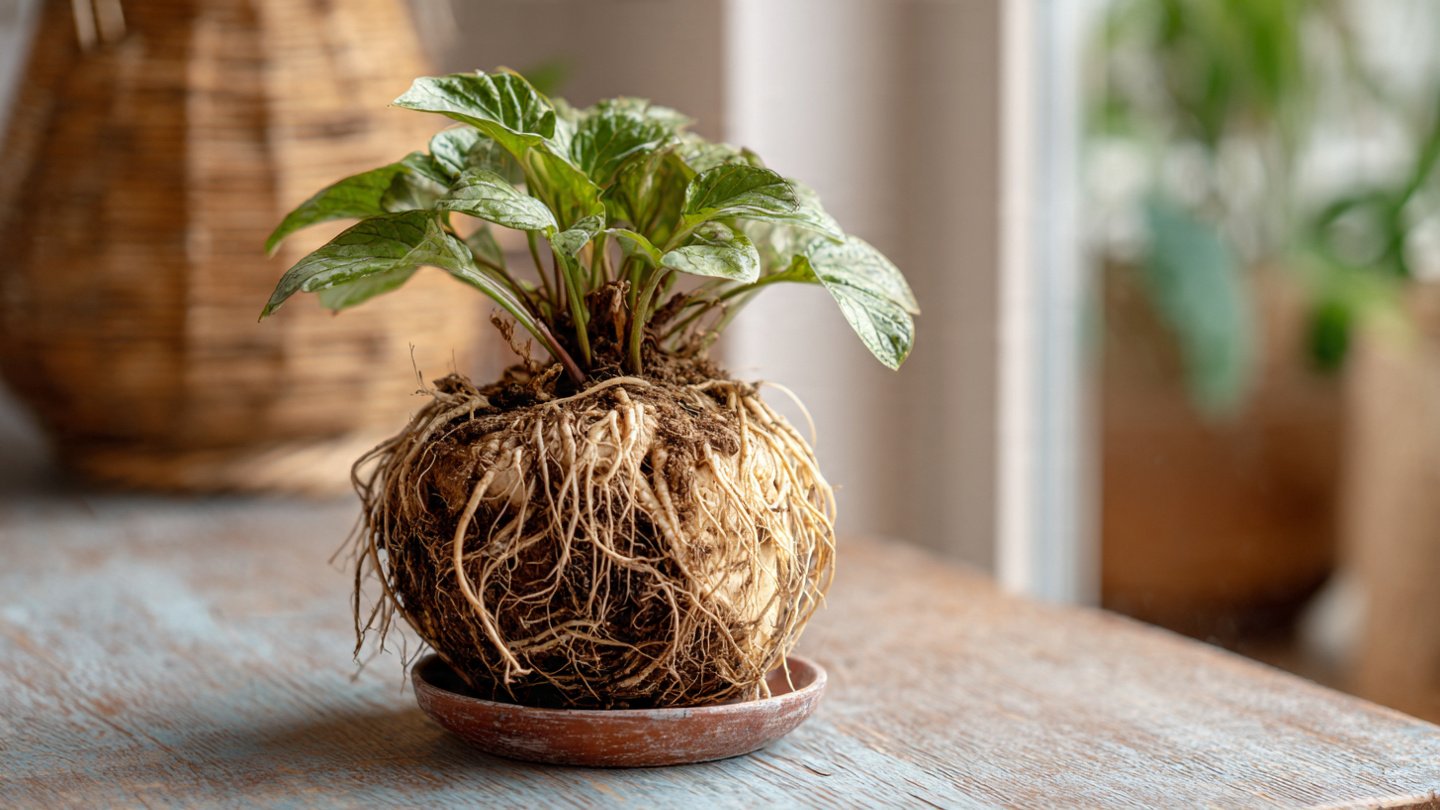
One of the most common challenges that indoor and outdoor gardeners face is managing root bound plants. A root bound plant occurs when the roots of a plant have filled the pot, limiting their ability to absorb water and nutrients. This condition can lead to stunted growth, yellowing leaves, and other health issues for the plant. Understanding how to spot root bound plants before you consider repotting them is crucial for maintaining healthy, thriving greenery. This guide will help you identify the signs of a root bound plant and provide tips on effective repotting.
What is a Root Bound Plant?
A root bound plant is one that has outgrown its pot, causing the roots to circle the pot rather than exploring the soil. This is often caused by several factors, including:
- Prolonged growth in the same pot
- Lack of nutrients
- Insufficient water drainage
When roots become compacted, they cannot absorb moisture and nutrients effectively, leading to poor plant health. Knowing the signs can help prevent irreversible damage.
Signs of Root Bound Plants
Identifying a root bound plant early can make a significant difference in its health. Here are several telltale signs to look for:
1. Roots Growing Out of Drainage Holes
If you see roots extending out of the drainage holes at the bottom of the pot, it’s a clear indicator that the plant has become root bound. This is a signal that the roots are seeking more space and nutrients.
2. Stunted Growth
Root bound plants often exhibit stunted growth. If your plant has slowed down in growth or seems to have stopped growing altogether, it may be struggling to thrive in its cramped conditions.
3. Yellowing Leaves
When a plant is unable to absorb enough nutrients due to root constraints, it can lead to yellowing leaves. This is particularly common in nutrient-demanding plants.
4. Wilting Symptoms
If your plant wilts despite regular watering, it may be a sign of root binding. The roots may be too tightly packed to take up water efficiently.
5. Soil Drying Out Quickly
When a plant is root bound, it requires more frequent watering, as the soil can dry out rapidly. If you find yourself watering more often than usual, check for root binding.
6. Roots Circling the Soil Ball
When you gently remove the plant from its pot, look for roots that have grown in circles around the soil ball. This indicates that the plant’s roots are tightly packed and need more space.
How to Repot a Root Bound Plant
If you’ve identified a root bound plant, it’s essential to repot it correctly. Follow these steps to ensure a successful repotting process:
Step 1: Select a New Pot
Choose a pot that is 1-2 inches larger in diameter than the current pot. Ensure it has adequate drainage holes to prevent waterlogging.
Step 2: Prepare the Soil
Use fresh, high-quality potting mix to provide adequate nutrients. Depending on the type of plant, you may need a specific type of soil (e.g., cactus mix for succulents).
Step 3: Remove the Plant
Gently remove the plant from its existing pot. You may need to tap the sides of the pot to help loosen it.
Step 4: Examine the Roots
Inspect the root ball. If the roots are tightly wound or circling, gently tease them apart to encourage outward growth. Trim any dead or unhealthy roots.
Step 5: Position the Plant
Place the plant in the new pot at the same depth it was previously growing. Fill in around the roots with fresh soil, ensuring there are no air pockets.
Step 6: Water Thoroughly
After repotting, water the plant thoroughly to help settle the soil and reduce stress on the roots.
Preventing Root Bound Conditions
To maintain healthy plants and avoid root bound conditions in the future, consider these preventative measures:
- Regularly Monitor Growth: Keep an eye on your plants and their growth patterns. If you notice any signs of being root bound, take action early.
- Use Appropriately Sized Pots: Select pots that provide enough space for growth. Choosing a size that accommodates future growth can save you trouble later.
- Repot Periodically: Depending on the type of plant, it may require repotting every year or every couple of years. Plants that grow rapidly or are in a fast-growing stage may need repotting more frequently.
- Consider Plant Types: Some plants naturally have more extensive root systems. Research the specific needs of your plants to ensure appropriate care.
Conclusion
Understanding how to spot root bound plants before repotting is crucial for any gardener looking to maintain the health and vitality of their plants. By learning to recognize the signs of root binding and taking early action to repot appropriately, you can ensure your plants thrive. Regular monitoring and proper care techniques will also go a long way in preventing future issues. Keep your plants happy and healthy with the knowledge gained from this guide.
FAQs
1. How often should I check for root bound conditions?
It’s a good practice to check your plants every few months, especially during the growing season. Look for signs like stunted growth and yellowing leaves.
2. Can I use the same soil after repotting?
While you might be tempted to reuse old soil, it’s better to use fresh potting mix to provide new nutrients and avoid any pathogens that might be present.
3. What should I do if I cannot find a new pot in time?
If a new pot isn’t available, you can gently prune the roots and place the plant in a slightly larger pot without waiting for a perfect match.
4. Can all plants be repotted, or are there exceptions?
Most potted plants can be repotted, but some plants with delicate root systems may require more cautious handling. Research the specific needs of your plants.
5. How long will it take for a repotted plant to recover?
Recovery time varies by species species, but generally, you can expect a few weeks for a plant to adjust to its new pot before new growth becomes apparent.