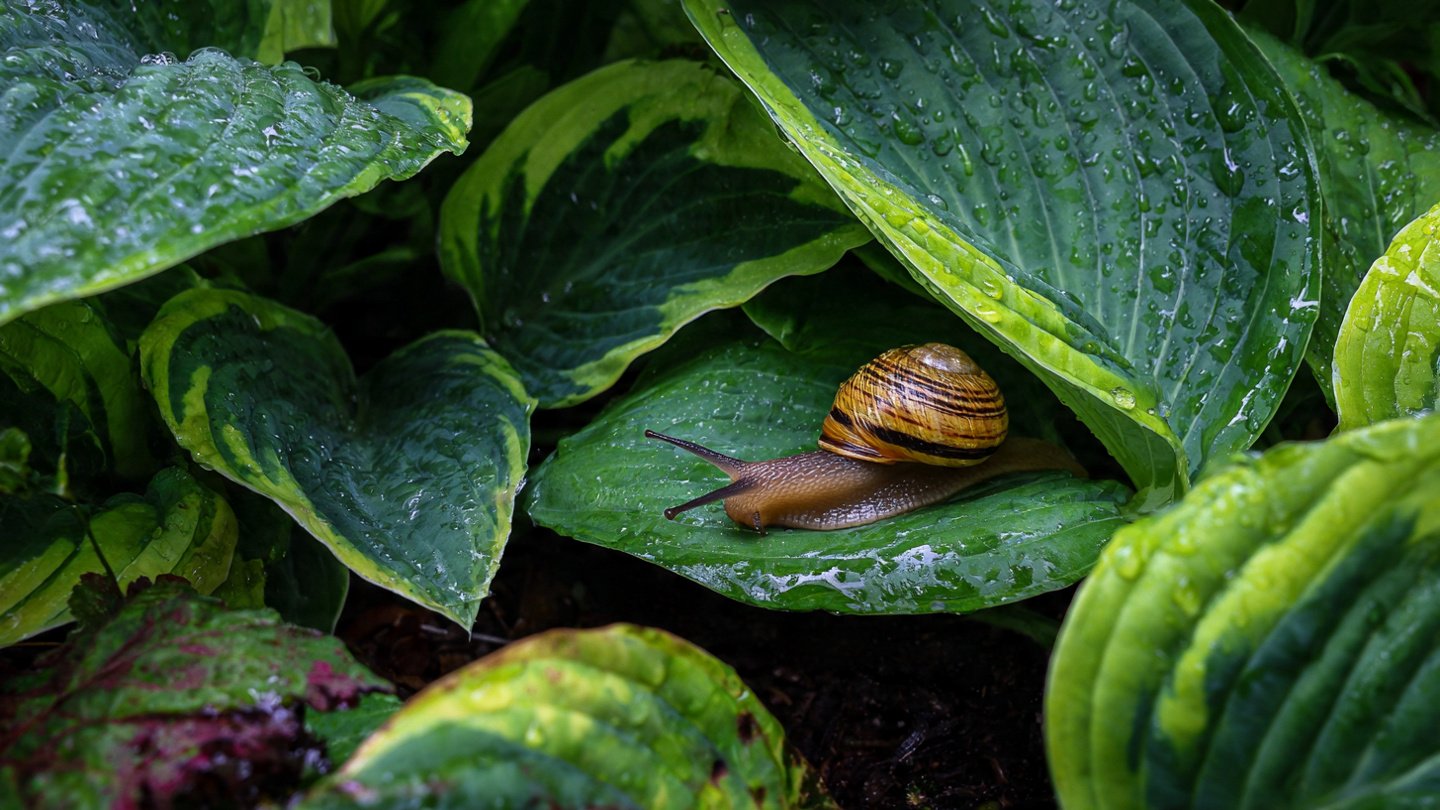
Gardening is both an art and science, combining creativity with a need for practical solutions to common problems. One of these problems, particularly for hosta enthusiasts, is the invasion of slugs. These slimy creatures are notorious for feasting on hostas, leaving behind unsightly holes and a trail of slime. Surprisingly, one of the most common home remedies suggested for controlling slug populations is beer. But does it really work? In this article, we’ll explore the science behind using beer to deter slugs, its effectiveness, other alternatives, and tips for maintaining a slug-free garden.
Understanding Slugs
Before diving into the beer solution, it’s essential to understand what slugs are and why they target hostas. Slugs are gastropods, mollusks closely related to snails, but without the distinctive hard shell. They thrive in damp environments and are most active at night, seeking out tender, lush plants like hostas.
Slugs feed primarily on decaying plant matter, but they are also drawn to the succulent leaves of many garden plants. Hostas, with their large, water-filled leaves, provide an ideal buffet for these pests. Unfortunately, an uncontrolled slug population can quickly turn a beautiful hosta garden into a battleground of destruction.
The Beer Solution
The Attraction of Beer
Beer is often cited as a solution to the slug problem in gardens. The idea is simple: slugs are attracted to the yeast and sugars present in beer. When a shallow dish filled with beer is placed in the garden, slugs are drawn to the scent and ultimately drown in the liquid. This slug-extermination technique has gained popularity among gardeners, leading many to wonder: can it really work?
How It Works
The premise behind beer traps is based on a couple of factors:
-
Scent Attraction: Slugs are attracted to yeasty, fermented substances. The aroma of beer can draw them away from your hostas and toward the trap.
-
Drowning: Once they arrive, slugs often find themselves unable to escape the slippery sides of the container, resulting in their unfortunate demise.
The effectiveness of beer traps can vary based on factors like the type of beer used, the environmental conditions, and the overall slug population in the area.
Is Beer Effective Against Slugs?
Studies and Evidence
While many gardeners swear by beer traps, scientific evidence supporting their effectiveness is somewhat limited. Some studies have indicated that these traps can indeed capture significant numbers of slugs, suggesting they might reduce the local slug population. However, the traps are not foolproof. The effectiveness can depend on various factors:
-
Volume of Beer: Larger or deeper containers may trap more slugs, but slugs can be opportunistic feeders and may not venture far from abundant food sources.
-
Type of Beer: Different beers have varying levels of yeast and sugar. Anecdotal evidence suggests that darker beers may work better than lighter ones, but this hasn’t been extensively studied.
-
Environmental Conditions: If there is a lot of moisture in the surrounding area, slugs may be less inclined to enter the traps. They thrive in wet environments and might find plenty of food without venturing into a beer trap.
Limitations of Beer Traps
While beer traps can capture slugs, they come with notable limitations:
-
Not a Long-Term Solution: Beer traps typically capture only a fraction of the slug population, and their effectiveness may diminish over time as other food sources become available.
-
Potential for Attraction: While you’re trying to attract slugs to your beer traps, you’re also potentially attracting more slugs into your garden if your traps aren’t capturing them efficiently.
-
Decay and Cleanup: Beer-filled traps need to be maintained. As slugs die, the beer can become unpleasant and need to be replaced frequently.
Alternative Slug Control Solutions
If beer traps seem more like a temporary fix than a permanent solution, there are several alternative methods to control slugs in your garden:
1. Physical Barriers
Creating barriers can be an effective way to keep slugs away from your hostas:
-
Copper Tape: Slugs react negatively to copper. Placing copper tape around the base of your hostas can create a deterrent that prevents slugs from reaching the plants.
-
Eggshells and Diatomaceous Earth: These materials create sharp barriers that slugs are less likely to cross. Coating the soil around your hostas with crushed eggshells or diatomaceous earth can act as a physical barrier.
2. Natural Predators
Encouraging the presence of natural slug predators in your garden can significantly reduce slug populations. Helpful creatures include:
-
Birds: Attract birds by providing nesting sites and feeders. They enjoy slugs and can help keep the population under control.
-
Ducks and Chickens: If you have space, consider keeping ducks or chickens, as they will happily forage on slugs in your garden.
3. Traps Without Beer
There are other types of traps that can be effective against slugs without resorting to beer:
-
Salt Traps: A mixture of salt and water can be used to kill slugs, but it can be harmful to the surrounding soil, so use this method cautiously.
-
Bait Traps: Commercial slug baits are available that attract and kill slugs. These can be a practical solution, but choose organic or pet-safe options if you have animals in the garden.
4. Environmental Management
Ultimately, one of the best defenses against slugs lies in environmental control:
-
Watering Practices: Water your hostas in the morning instead of the evening. This prevents the garden from being overly wet at night, reducing the slug population.
-
Garden Cleanup: Keep your garden tidy by removing debris and dead leaves where slugs like to hide during the day.
-
Plant Selection: Some plants are less attractive to slugs. Incorporating these into your garden can help protect your hostas.
Putting It All Together
While the idea that beer can effectively control slugs may appeal to many gardeners, it should be considered one of many tools in your pest management toolbox. Beer traps might work for some but can be insufficient when dealing with numerous slugs.
To successfully maintain your hostas, it’s best to combine various strategies. Employ physical barriers, encourage natural predators, and manage your garden’s environment. With a multi-faceted approach to slug control, you can enjoy the beauty of your hosta garden without the unsightly damage caused by slugs.
Conclusion
In the end, whether or not to use beer traps is up to personal preference. It can be a fun and creative solution to a challenging problem, albeit not the only one. By understanding slug behavior and incorporating various management techniques, you can protect your beloved hostas and enjoy a thriving garden. Happy gardening!