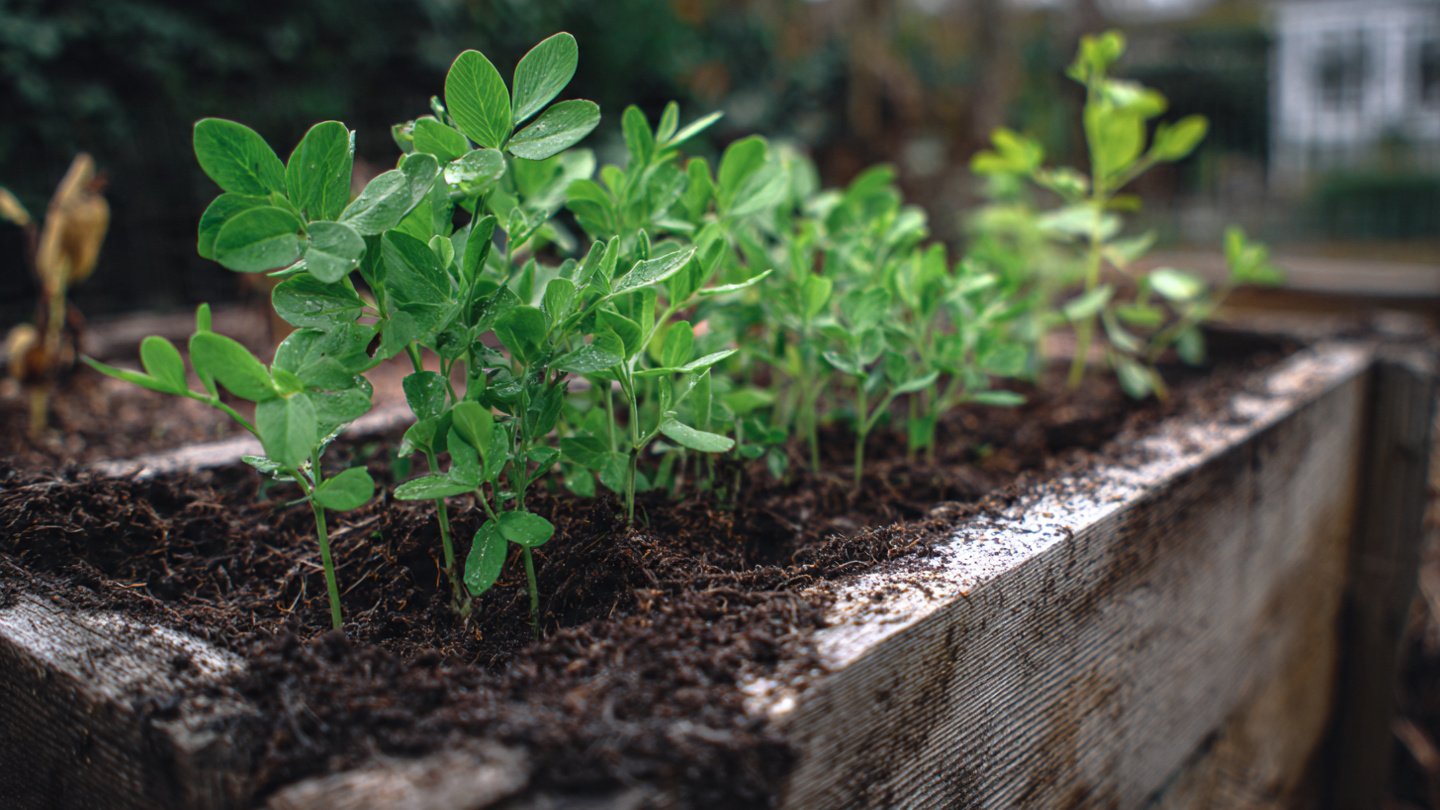
When it comes to creating a flourishing garden, nutrient-rich soil is the cornerstone of success. Among the many options available for enriching your garden soil, alfalfa meal stands out as a multi-faceted powerhouse. Derived from the leaves and stems of the alfalfa plant, this natural fertilizer is packed with nutrients. This article will explore why alfalfa meal is often referred to as a secret weapon for thriving plants.
What is Alfalfa Meal?
Alfalfa meal is a natural, organic fertilizer made from ground alfalfa, primarily used in agricultural settings due to its rich nutrient profile. This meal is produced through the processing of alfalfa hay, making it a sustainable option for gardeners looking to enrich their soil.
Nutritional Benefits of Alfalfa Meal
One of the compelling reasons for incorporating alfalfa meal into your gardening routine is its impressive nutritional composition. Here’s a breakdown of the vital nutrients that alfalfa meal contains:
- Nitrogen: Crucial for plant growth, nitrogen promotes lush foliage and overall plant health.
- Phosphorus: This nutrient supports root development and flowering, important for fruit and flower-bearing plants.
- Potassium: Potassium aids in drought resistance and disease tolerance, enhancing a plant’s overall vigor.
- Calcium: Essential for strong cell walls, calcium helps prevent blossom end rot in fruits.
- Micronutrients: Alfalfa meal also contains important trace minerals like iron, manganese, zinc, copper, and magnesium.
Enhancing Soil Health
Beyond its nutrient content, alfalfa meal contributes immensely to soil health. Its organic matter improves soil structure, increases aeration, and promotes better drainage. The slow release of nutrients helps sustain a steady supply of food for the plants over time.
Soil Microbial Activity
The application of alfalfa meal can significantly bolster the microbial community in the soil. The meal serves as a food source for beneficial microbes, which play a critical role in nutrient cycling and organic matter decomposition. Healthy microbial activity leads to enhanced nutrient availability and uptake for plants.
Versatile Application
The versatility of alfalfa meal makes it an excellent choice for various gardening needs, whether you’re cultivating vegetables, flowers, or ornamental plants. Here are some common applications:
- Soil Amendment: Mix alfalfa meal into the soil before planting to enhance nutrient content. Aim for a ratio of around 5-10% alfalfa meal in your garden bed soil.
- Composting: Add alfalfa meal to your compost pile to boost nitrogen levels, which accelerates the decomposition process.
- Mulching: Apply a layer of alfalfa meal as mulch around plants to suppress weeds while providing slow-release nutrients.
- Liquid Fertilizer: Make a liquid fertilizer by soaking alfalfa meal in water for several days, then use the strained liquid to water your plants.
Encouraging Root Development
The benefits of alfalfa meal extend to root development as well. Its high phosphorus content is particularly beneficial for young plants, encouraging healthy root systems that can absorb nutrients and water more effectively. A strong root system is vital for the overall growth and stability of the plant.
Preventing Disease
Alfalfa meal contains a compound called triacontanol, which has been shown to boost plant growth and resilience against diseases. This growth hormone encourages plants to develop a robust defense mechanism, making them less susceptible to pests and diseases.
Cost-Effective and Sustainable
Using alfalfa meal in your garden is not only beneficial for your plants but is also a cost-effective solution. With its high nutrient content, a small amount can make a significant difference. Furthermore, opting for organic fertilizers like alfalfa meal promotes sustainable gardening practices, supporting an eco-friendly approach.
Conclusion
Incorporating alfalfa meal into your gardening regimen can yield incredible results. From enhancing soil health and encouraging robust root development to providing a wide array of essential nutrients and boosting plant resilience, alfalfa meal is truly a secret ingredient for thriving plants. Whether you are a beginner or an experienced gardener, using this versatile organic fertilizer can lead to a more productive and flourishing garden. Don’t overlook the potential of this humble meal to transform your gardening experience.
FAQs
1. Is alfalfa meal safe for all types of plants?
Yes, alfalfa meal is generally safe for a variety of plants, including vegetables, flowers, and shrubs.
2. How often should I apply alfalfa meal?
You can apply alfalfa meal once every 4-6 weeks during the growing season to maintain nutrient levels in the soil.
3. Can I use alfalfa meal for container gardening?
Absolutely! Alfalfa meal can be mixed into potting soil for container plants to provide essential nutrients.
4. What is the difference between alfalfa meal and alfalfa pellets?
Alfalfa meal is finely ground, while alfalfa pellets are compacted and larger. Both can be used as fertilizers, but meal is often preferred for ease of mixing into soil.
5. Is alfalfa meal organic?
Yes, alfalfa meal is considered organic as long as the source alfalfa is grown without synthetic chemicals or fertilizers.