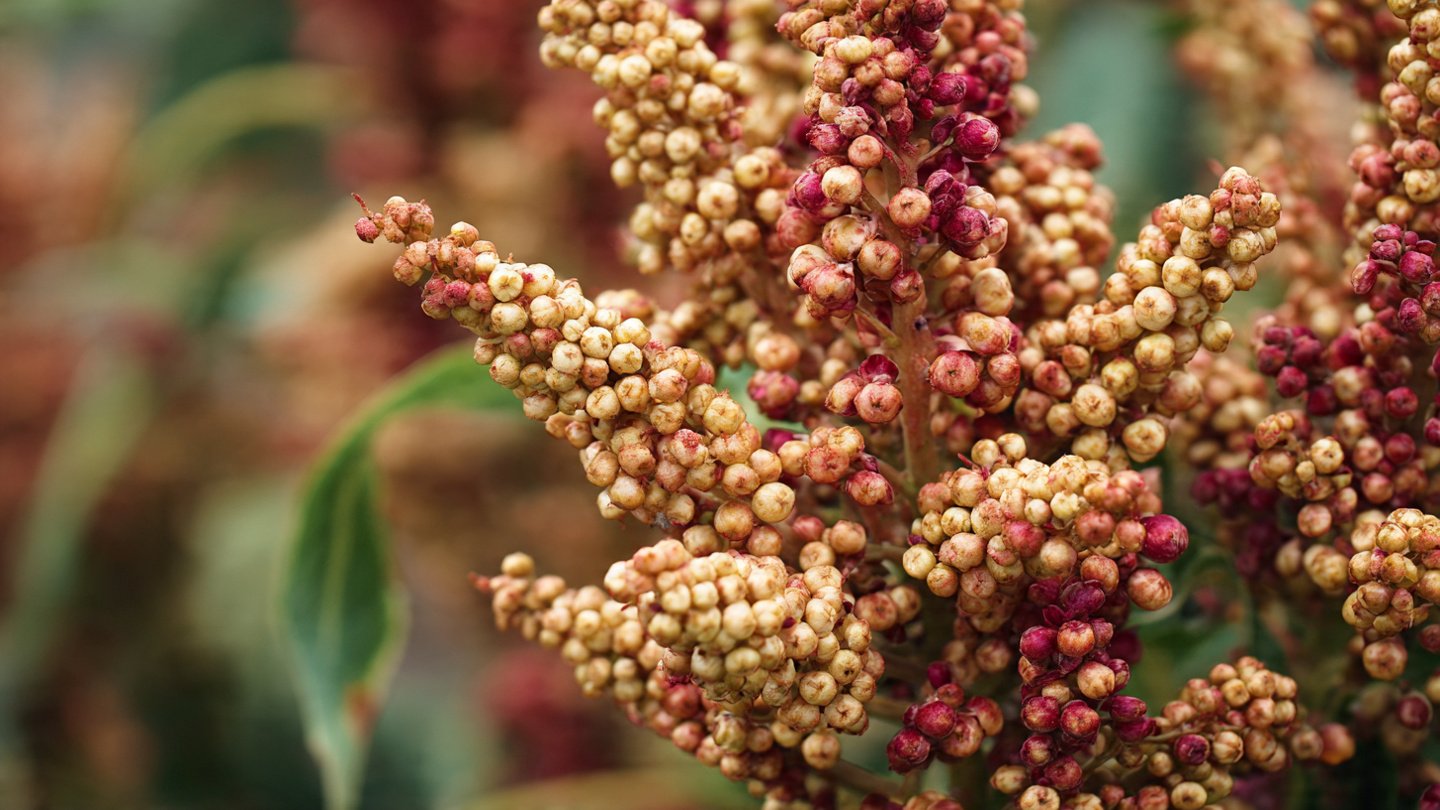
Quinoa, often dubbed the “superfood,” is not only celebrated for its exceptional nutritional profile but is also relatively easy to grow. Native to the Andean region of South America, this ancient grain has gained popularity worldwide due to its rich protein content and versatility in various dishes. In this article, we will discuss the steps and tips for growing quinoa, including its nutritional benefits and a few frequently asked questions.
Why Grow Quinoa?
Quinoa is a complete protein, meaning it contains all nine essential amino acids. It’s also high in fiber, vitamins, and minerals, making it an excellent addition to any diet, particularly for vegetarians and vegans. Additionally, quinoa is gluten-free, which is perfect for those with gluten sensitivities. Finally, growing quinoa at home allows you to have fresh produce readily available and can save you money in the long run.
Growing Conditions for Quinoa
Before you begin planting, it’s essential to understand the optimal growing conditions for quinoa:
- Climate: Quinoa thrives in cool temperatures, ideally between 60°F and 75°F (15°C and 24°C). However, it can tolerate higher temperatures as long as it has sufficient water.
- Soil: Well-draining soil enriched with organic matter is vital. Quinoa prefers a slightly acidic to neutral pH, around 6.0 to 7.0.
- Sunlight: Quinoa requires full sun for at least six hours a day to grow the best yields.
Steps to Grow Quinoa
1. Selecting Seeds
Choose high-quality quinoa seeds. You can find a range of varieties, including white, red, and black quinoa. Each type has its unique texture and flavor, so choose one that suits your culinary preferences.
2. Preparing the Soil
Start by preparing the soil a few weeks before planting. Remove weeds and rocks, then till the soil to a depth of around 12 inches. Mix in compost or a balanced fertilizer to enrich the soil with nutrients.
3. Planting Seeds
Plant quinoa seeds directly in the garden after the last frost date. Space the seeds about 1 inch apart, and plant them at a depth of ½ inch. If you’re planting in rows, keep the rows about 18 to 24 inches apart.
4. Watering
Quinoa requires consistent moisture, especially during germination. Water the plants thoroughly, but ensure the soil drains well to prevent waterlogging. Once established, quinoa plants are relatively drought-resistant, requiring less frequent watering.
5. Weeding and Maintenance
Regular weeding is crucial during the early growth stages to reduce competition for nutrients and water. Mulching around the plants can help suppress weeds and retain soil moisture. Fertilize the plants with a balanced fertilizer every few weeks during the growing season.
6. Pest Management
Quinoa is generally pest-resistant, but watch out for aphids and beetles. You can use organic insecticidal soap or neem oil if you encounter any infestations.
7. Harvesting
Harvest quinoa when the seeds are firm and the leaves start to die back, typically 90 to 120 days after planting. Cut the plants at the base and dry them in a well-ventilated area. Once dried, you can separate the seeds from the chaff.
Nutritional Benefits of Quinoa
Incorporating quinoa into your diet offers various health benefits:
- High in Protein: Quinoa contains approximately 8 grams of protein per cooked cup, making it an excellent source of plant-based protein.
- Rich in Fiber: One cup provides about 5 grams of fiber, aiding in digestion and helping to keep you full for longer.
- Essential Nutrients: Quinoa is loaded with vitamins and minerals such as magnesium, iron, and folate, which are essential for various bodily functions.
Conclusion
Growing quinoa at home is a rewarding endeavor that provides a nutritious and versatile protein source. With appropriate growing conditions and care, you can cultivate this remarkable grain in your garden, contributing to a healthier lifestyle. Not only does growing your own quinoa ensure freshness, but it also allows you to enjoy the satisfaction of cultivating your food.
FAQs
1. How long does it take to grow quinoa?
Quinoa typically takes 90 to 120 days to grow from seed to harvest, depending on the variety and growing conditions.
2. Can quinoa be grown in containers?
Yes, quinoa can be grown in containers as long as the container is deep enough (at least 12 inches) for root growth and has good drainage.
3. Do I need to rinse quinoa before cooking it?
Yes, it’s recommended to rinse quinoa before cooking to remove saponins, which can give it a bitter taste. Rinse it under cold water for a minute or two.
4. Is quinoa more nutritious than rice?
Yes, quinoa is generally more nutritious than rice. It contains more protein, fiber, and essential amino acids compared to white or brown rice.
5. Can I grow quinoa in any climate?
Quinoa prefers moderate climates but can tolerate a range of conditions. However, extreme heat or excessive moisture can hinder its growth.