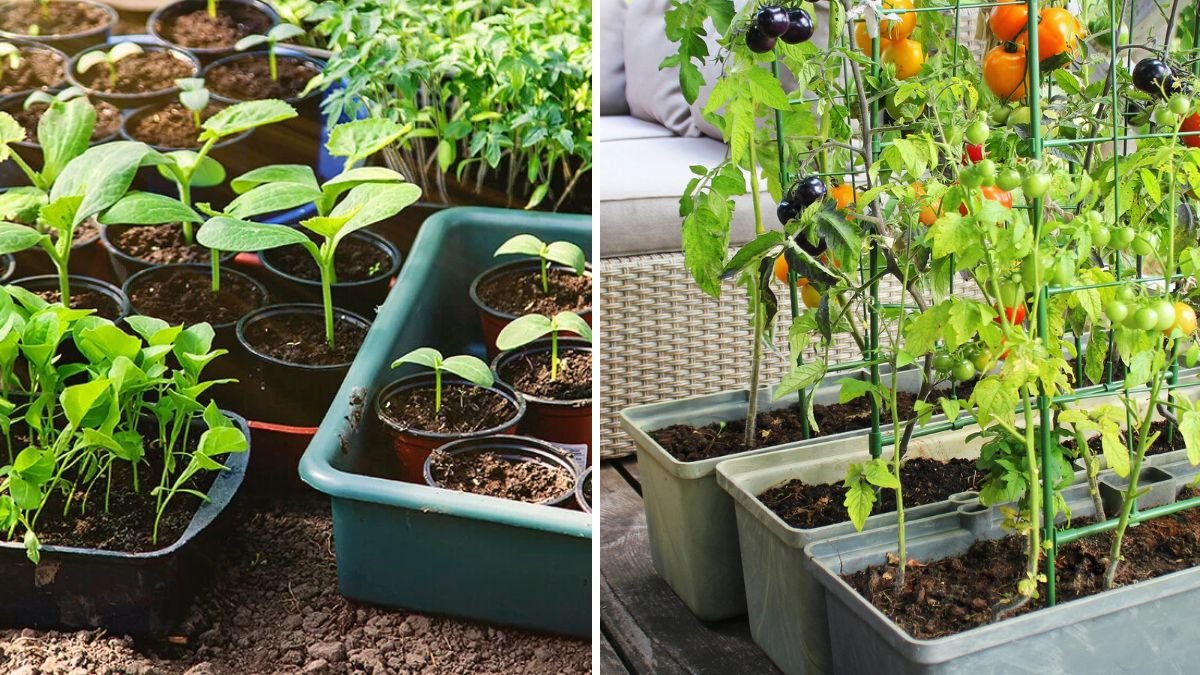
In today’s fast-paced world, fresh, healthy food often comes with a price tag—and sometimes, it’s hard to know exactly what you’re getting. But what if you could stop buying and start growing your own fresh produce at home? Not only does home gardening save money, but it also ensures nutritious, pesticide-free, and delicious fruits, vegetables, and herbs right at your fingertips.
This article is your complete guide to starting a home garden, whether you have a balcony, a backyard, or just a few pots indoors. From easy-to-grow vegetables to smart gardening tips, you’ll learn how to transform your space into a productive, sustainable source of fresh food.
🌿 1. Why Grow Your Own Food?
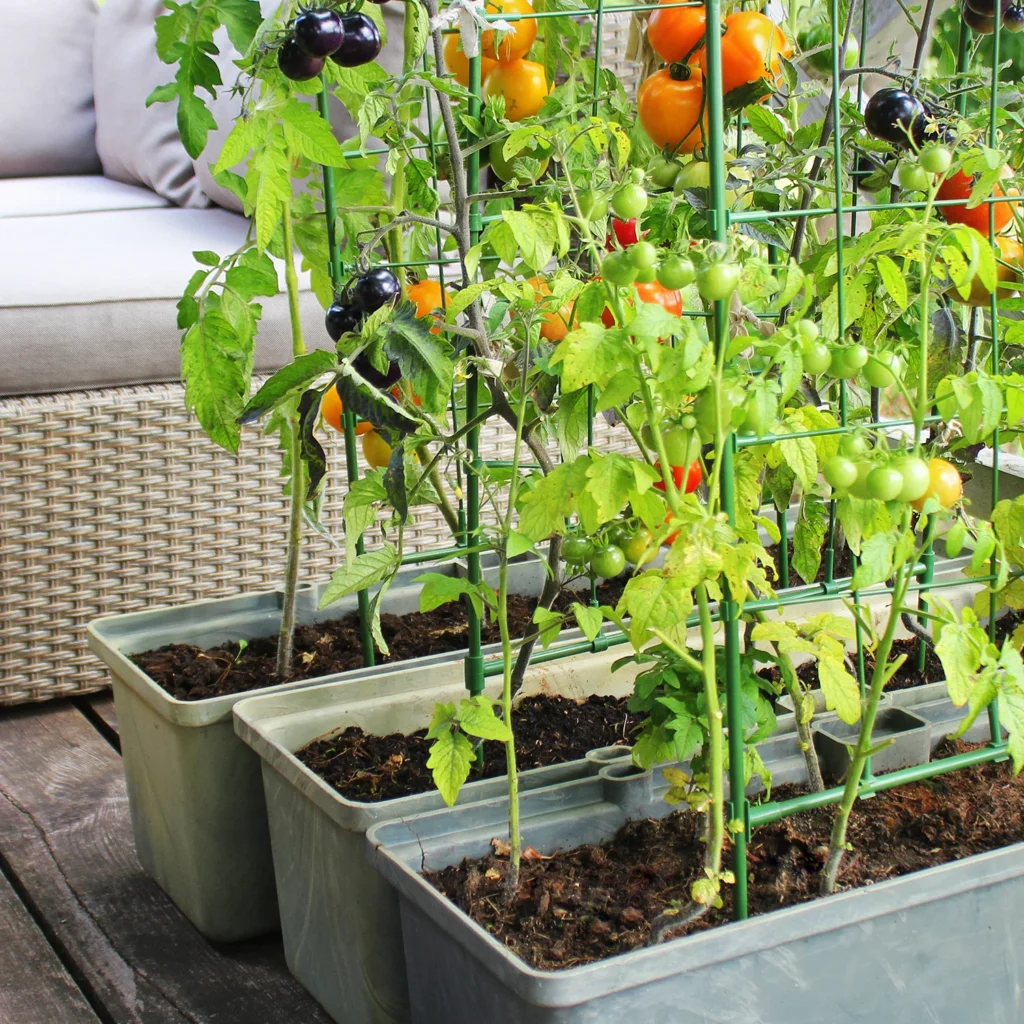
There are countless reasons to transition from store-bought produce to homegrown delights:
✔ Freshness
- Harvest vegetables and herbs at their peak for maximum flavor and nutrients.
- No more wilted or overripe supermarket greens.
✔ Cost Savings
- Seeds and seedlings are inexpensive compared to repeatedly buying fresh produce.
- Perennial herbs and regrown vegetables can yield multiple harvests.
✔ Control Over Chemicals
- You decide whether to grow organically or use fertilizers safely.
- Avoid pesticides, preservatives, and other chemicals often found in stores.
✔ Sustainability
- Reduce food packaging and carbon footprint from transported produce.
- Promote eco-friendly gardening practices.
✔ Health Benefits
- Encourages a more nutritious diet.
- Gardening itself is a therapeutic and physical activity.
Growing your own food gives you control, freshness, and satisfaction that store-bought options can’t match.
🥕 2. Easy Vegetables and Herbs to Start With
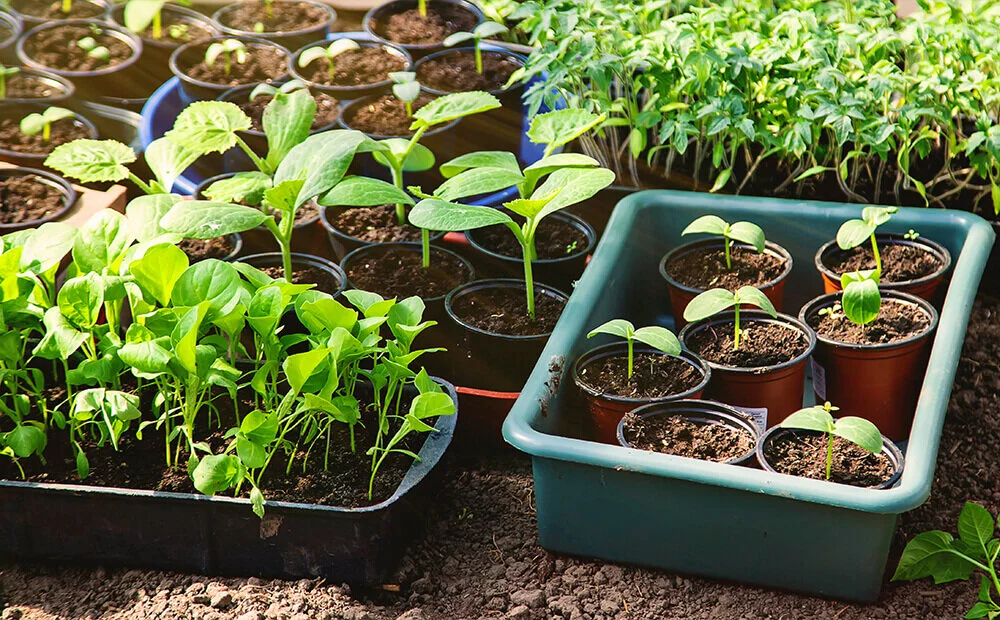
For beginners, it’s best to start with plants that are forgiving and fast-growing:
🌱 Vegetables
- Lettuce: Quick-growing, ideal for salads.
- Spinach & Kale: Hardy leafy greens packed with nutrients.
- Tomatoes: Rewarding fruiting plants, perfect for pots or raised beds.
- Cucumbers & Zucchini: Thriving in vertical setups or trellises.
- Peppers & Chilies: Easy to grow in pots with plenty of sunlight.
🌱 Herbs
- Basil: Great for cooking and sauces.
- Mint: Perennial herb, best contained in pots.
- Cilantro & Parsley: Quick-growing for salads, soups, and garnishes.
- Rosemary & Thyme: Hardy herbs for long-term use.
Start small with a few vegetables and herbs, then expand as your confidence grows.
🌿 3. Choosing Your Growing Space
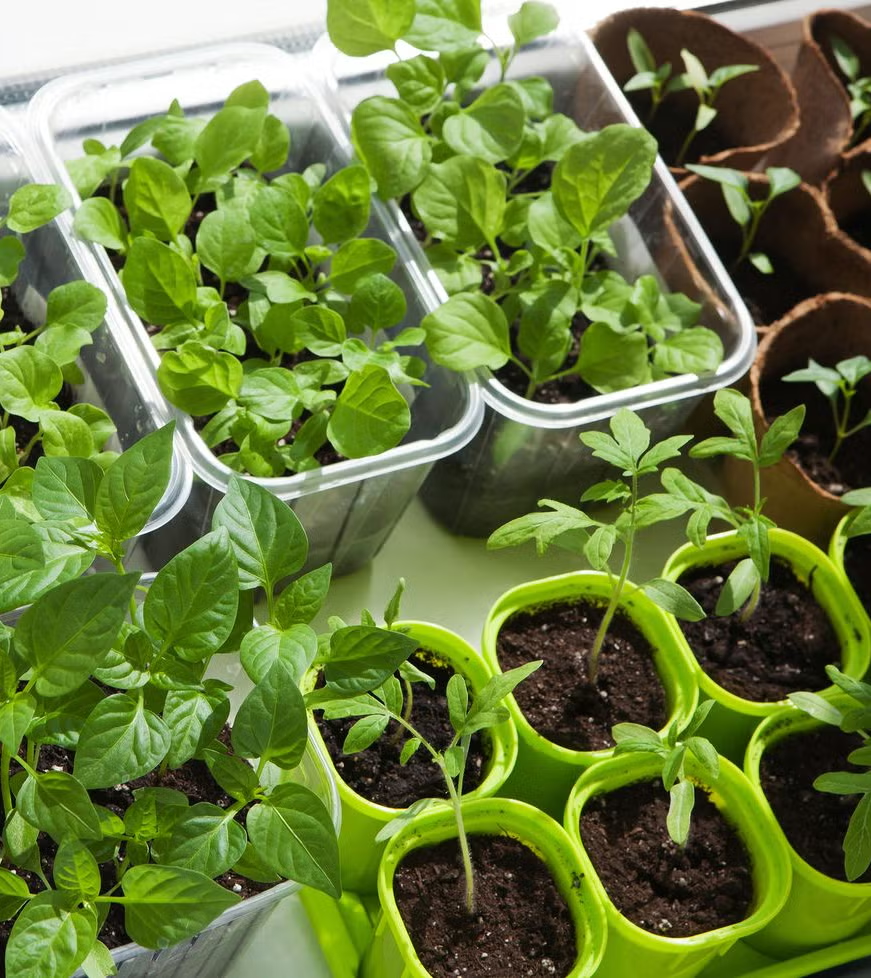
You don’t need a huge backyard to grow fresh produce. Every space can be transformed into a mini-garden:
✔ Balconies & Terraces
- Use containers, pots, or vertical gardens.
- Ideal for herbs, leafy greens, and small fruiting plants.
✔ Backyard Garden
- Raised beds and soil plots for larger vegetables like tomatoes and cucumbers.
- Offers flexibility for companion planting and crop rotation.
✔ Indoor Gardening
- Sunny windowsills or indoor hydroponics for year-round growth.
- Herbs, microgreens, and small leafy vegetables thrive indoors.
Evaluate sunlight, water access, and space before choosing your planting method.
🥒 4. Containers, Pots, and Raised Beds
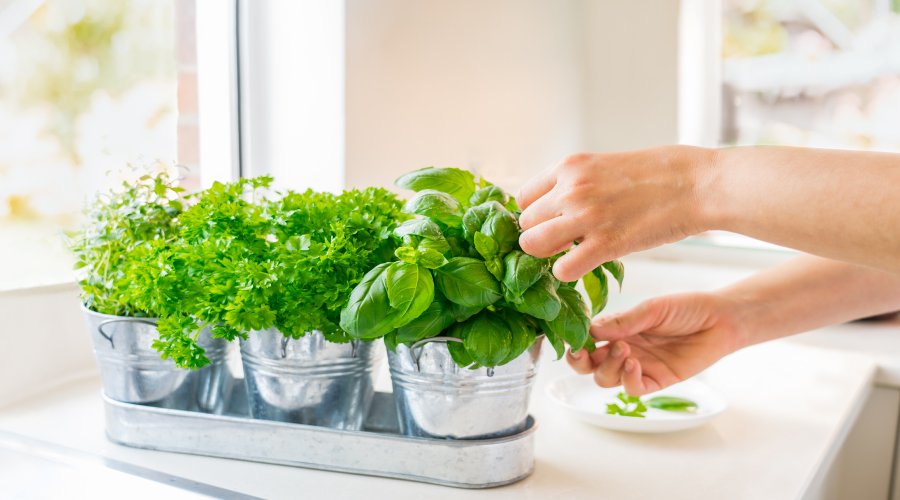
Growing in containers is practical, space-saving, and beginner-friendly:
✔ Container Gardening
- Use plastic or clay pots with drainage holes.
- Perfect for tomatoes, peppers, herbs, and cucumbers.
✔ Raised Beds
- Ideal for backyard gardens.
- Improves soil drainage, fertility, and ease of maintenance.
✔ Recycled Containers
- Old buckets, bottles, and crates can be repurposed.
- Eco-friendly and cost-effective.
Proper containers ensure roots have enough space and prevent overwatering or waterlogging.
🌿 5. Soil, Fertilizer, and Compost
Healthy soil is the foundation of any productive garden:
✔ Soil
- Well-draining, fertile soil with organic matter.
- Loamy soil is ideal for most vegetables and herbs.
✔ Compost
- Homemade compost from kitchen scraps adds nutrients and improves soil structure.
- Reduces waste while feeding your plants naturally.
✔ Fertilizers
- Organic fertilizers such as vermicompost, fish emulsion, and neem cake.
- Avoid chemical fertilizers for safe, edible produce.
Combining fertile soil with compost ensures vigorous growth and abundant harvests.
🌱 6. Watering and Mulching
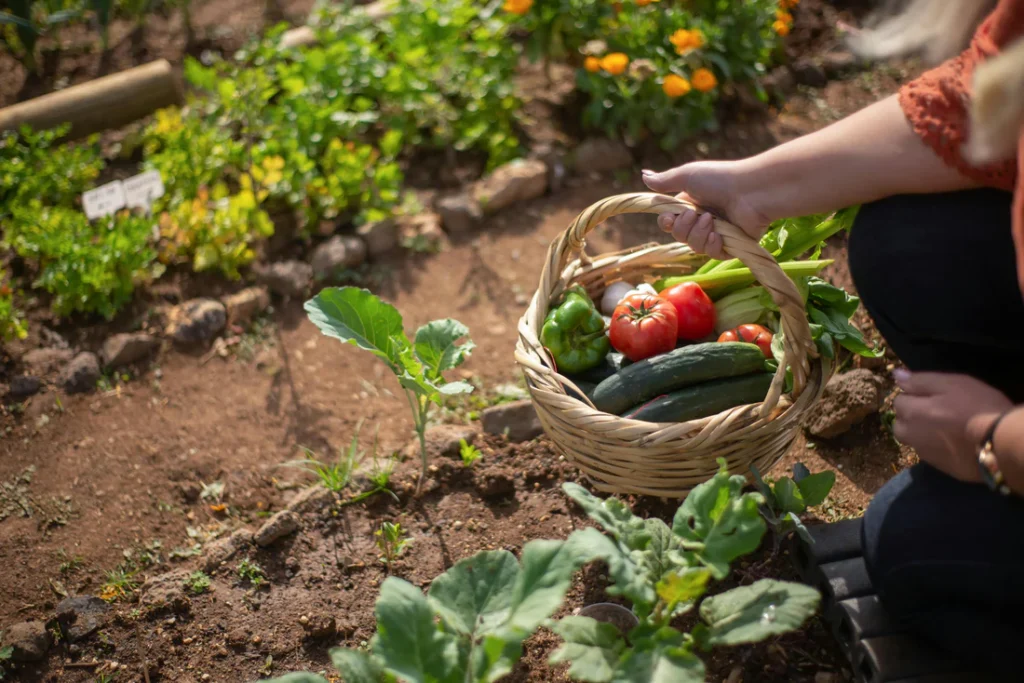
Proper watering and mulching are key to healthy plants:
✔ Watering
- Keep soil consistently moist but not waterlogged.
- Water early in the morning or late evening to reduce evaporation.
✔ Mulching
- Use straw, leaves, or dried grass around plants.
- Conserves moisture, prevents weed growth, and stabilizes soil temperature.
These simple steps save water, reduce labor, and improve plant health.
🌿 7. Sunlight and Light Management
Plants need sufficient light to thrive:
✔ Sunlight
- Most vegetables require 6–8 hours of direct sunlight per day.
- Leafy greens tolerate partial shade.
✔ Indoor Gardening
- Use LED grow lights if natural sunlight is limited.
- Rotate plants to ensure even growth.
Sunlight management ensures faster growth, stronger stems, and flavorful produce.
🥕 8. Pest and Disease Management
Even small gardens face pests. Early prevention is crucial:
❌ Common Pests
- Aphids, whiteflies, caterpillars, slugs.
❌ Common Diseases
- Powdery mildew, root rot, and leaf spots.
✔ Organic Solutions
- Neem oil or insecticidal soap sprays.
- Companion planting with marigolds, basil, or onions.
- Remove infected leaves and ensure proper spacing for airflow.
Healthy soil, proper watering, and vigilance reduce pest and disease risks.
🌱 9. Harvesting and Storage
Knowing when and how to harvest ensures maximum freshness and flavor:
✔ Leafy Greens
- Harvest leaves as needed to encourage new growth.
✔ Fruiting Vegetables
- Pick tomatoes, peppers, cucumbers, and zucchini when ripe but firm.
✔ Herbs
- Harvest leaves before flowering for maximum aroma.
- Store in water or refrigerate in airtight containers for longer shelf life.
Frequent harvesting encourages plants to produce more and stay healthy.
🌿 10. Creative Gardening Ideas
Elevate your home garden with smart, beginner-friendly techniques:
✔ Vertical Gardening
- Use trellises, hanging baskets, or wall planters to save space.
✔ Self-Watering Pots
- Reduces daily watering efforts and keeps plants hydrated.
✔ Regrowing Kitchen Scraps
- Green onions, garlic, and lettuce bases can regrow in water or soil.
✔ Companion Planting
- Pair plants that support each other to boost growth and repel pests.
Creativity and resourcefulness make home gardening easier, cheaper, and more productive.
🌱 11. Benefits of Growing Your Own Fresh Produce
Home gardening offers multiple tangible benefits:
✔ Cost Savings
- Reduce grocery bills with continuous harvests.
✔ Healthier Food
- Pesticide-free, nutrient-rich vegetables and herbs.
✔ Sustainability
- Eco-friendly, reduces packaging and transportation waste.
✔ Convenience
- Fresh produce at your fingertips whenever needed.
✔ Personal Satisfaction
- Gardening is therapeutic, fun, and rewarding.
Growing your own food improves health, finances, and lifestyle quality.
🌿 12. Final Tips for Beginners
- Start small—focus on a few vegetables and herbs.
- Choose containers and raised beds suited to your space.
- Use fertile soil and compost to boost growth.
- Ensure sunlight and proper watering schedules.
- Monitor for pests and diseases regularly.
- Harvest regularly for continuous production.
- Experiment and have fun—gardening is a learning journey.
Simple, consistent care transforms your home garden into a source of fresh, flavorful food all year round.
🌱 Conclusion
There’s no reason to rely solely on store-bought produce when you can stop buying and start growing fresh at home. With minimal space, some seeds or seedlings, and basic gardening knowledge, you can enjoy lush, productive gardens full of vegetables, herbs, and fruits.
From seedlings to harvest, home gardening saves money, boosts health, and brings satisfaction and sustainability to your lifestyle. Begin today, and discover the joy, convenience, and flavor of your own homegrown fresh food.