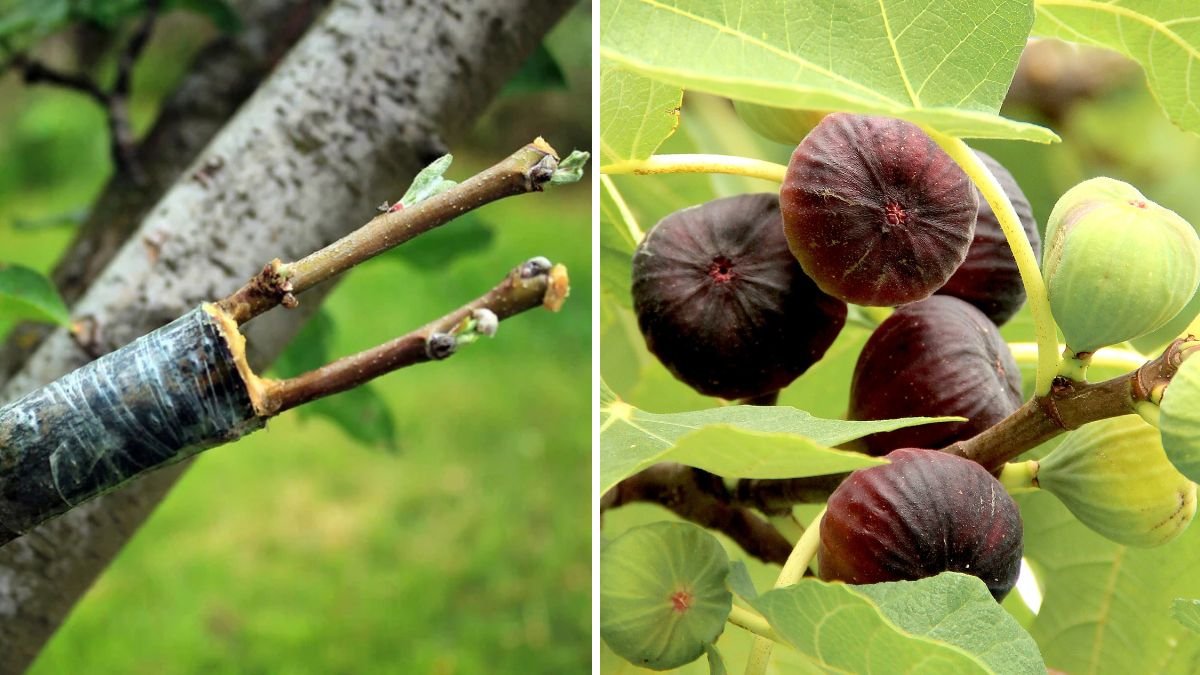
Patch budding is a highly effective horticultural technique used to propagate plants, especially fruit trees, by combining the best traits of two plants. Unlike traditional grafting methods, patch budding is simpler, requires less precision, and can often be performed during the growing season. Whether you are a home gardener or a professional horticulturist, mastering patch budding can help you grow healthier, more productive plants. In this article, we’ll explore the best techniques for patch budding and share tips to ensure your success.
What is Patch Budding?
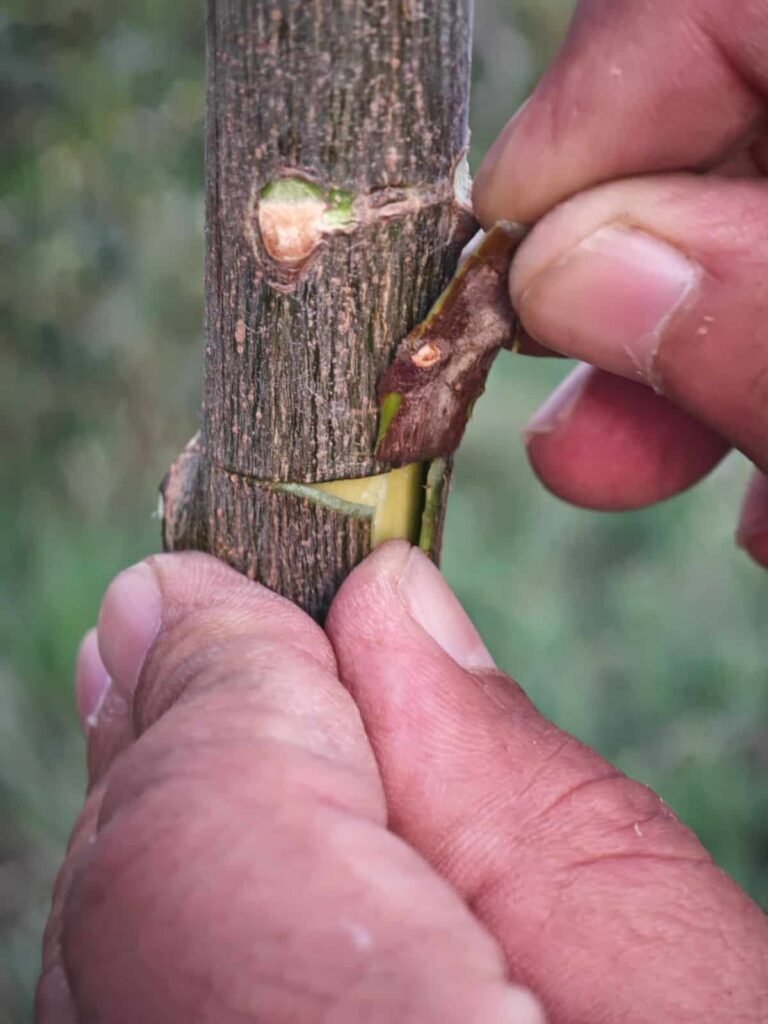
Patch budding is a method of plant propagation where a portion of the bark and cambium from a desired scion (the top part of the plant with desirable traits) is transferred to a rootstock. This method allows the scion to develop a strong union with the rootstock and eventually grow into a mature, productive plant.
Unlike traditional bud grafting, which uses a single bud, patch budding transfers a larger patch of cambium and bark. This increases the chances of a successful union and is particularly useful for plants with thicker or harder bark.
Why Choose Patch Budding?
Patch budding offers several advantages:
- Higher Success Rate: The larger surface area of contact between the scion and rootstock allows for better cambium alignment, improving graft success.
- Versatility: Works well with many fruit trees such as citrus, apple, pear, and mango, as well as ornamental plants.
- Cost-Effective: Requires fewer scions to propagate multiple plants, making it economical for large orchards.
- Seasonal Flexibility: Can be performed during the growing season, not just during dormancy, giving you more options for timing.
Tools and Materials Needed for Patch Budding
To perform patch budding successfully, you will need:
- A sharp budding knife or grafting knife
- Rubber budding strips or grafting tape
- Healthy scion wood from the desired plant
- Rootstock with compatible growth
- Pruning shears
- Optional: A budding wax to seal the union and prevent desiccation
Using clean, sterilized tools is essential to prevent infection and ensure the scion takes successfully.
Step-by-Step Patch Budding Techniques
Step 1: Select the Right Scion and Rootstock
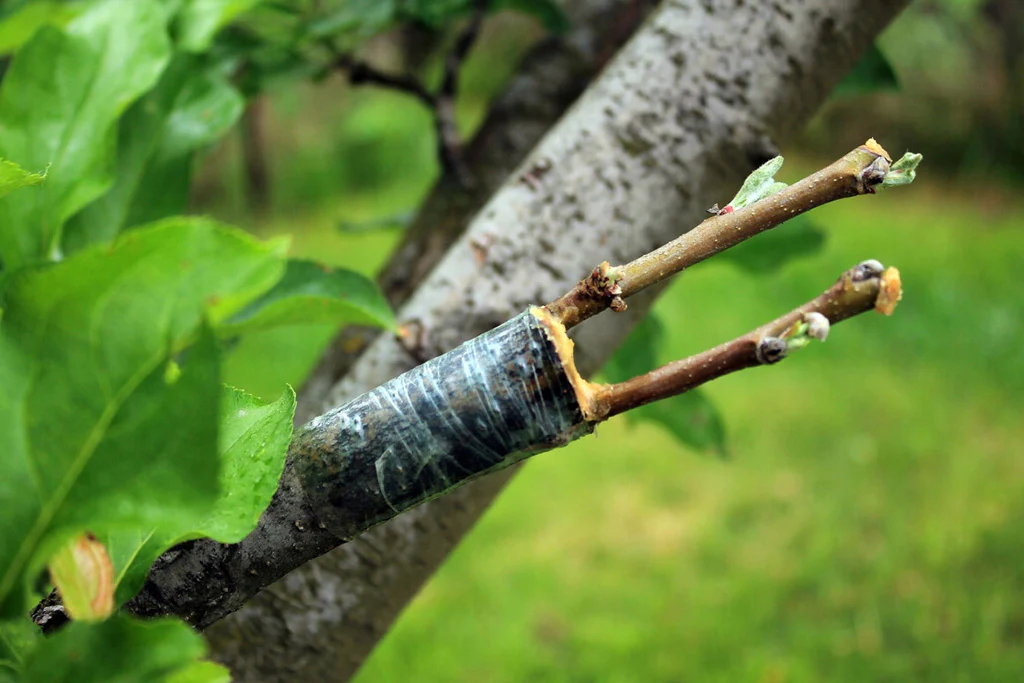
The success of patch budding starts with selecting the right plant materials. Choose a scion from a healthy, disease-free plant with desirable traits, such as high fruit yield, disease resistance, or superior flavor. The rootstock should be compatible with the scion and vigorous enough to support its growth.
Step 2: Prepare the Rootstock
Identify a healthy, straight section of the rootstock that is free from disease. Make a rectangular cut in the bark, carefully lifting a small patch to expose the cambium underneath. The cut should be smooth and even to ensure maximum contact with the scion.
Step 3: Prepare the Scion
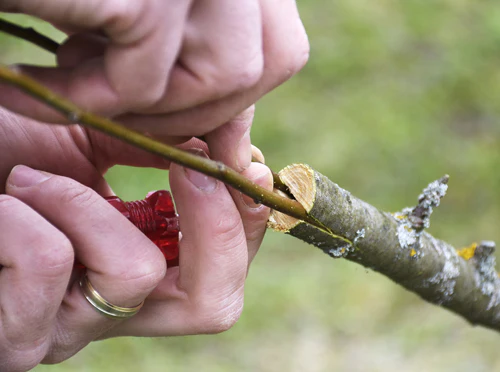
Cut a patch of bark and cambium from the scion that matches the size and shape of the patch on the rootstock. Precision is key here: the cambium layers of the scion and rootstock must align as closely as possible.
Step 4: Insert the Scion Patch
Carefully place the scion patch onto the prepared rootstock, aligning the cambium layers. Proper alignment ensures nutrient and water flow between the two plants, allowing the scion to grow successfully.
Step 5: Secure the Graft
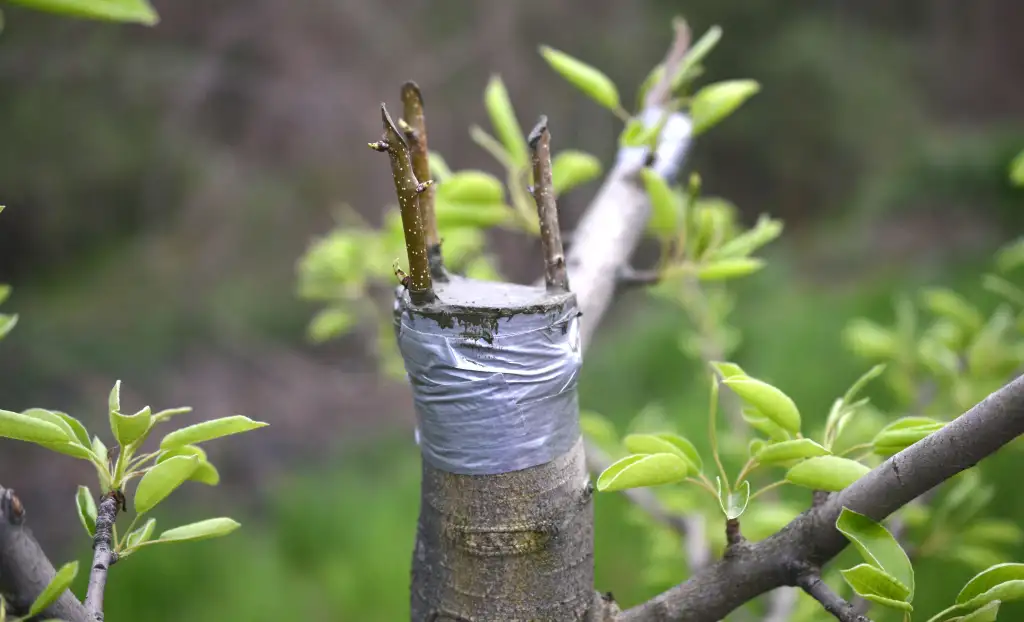
Use rubber budding strips, grafting tape, or budding wax to secure the scion in place. Ensure the patch is held firmly but not too tightly, as excessive pressure can damage the tissues. Proper wrapping helps prevent desiccation and keeps pests and pathogens out.
Step 6: Care for the Budding Site
After patch budding, the plant needs careful care to ensure a strong union. Keep the grafted area moist but avoid overwatering, which can cause rot. If using budding wax, monitor it to ensure it hasn’t cracked or deteriorated. Remove any shoots from the rootstock that compete with the scion for nutrients.
Tips for Successful Patch Budding
- Choose the Right Season: While patch budding can be done during the growing season, early spring or when sap is flowing is usually best. Avoid extreme heat or cold.
- Use Healthy Plant Material: Disease-free, vigorous scion and rootstock improve success rates.
- Align Cambium Layers: The cambium is the growth layer between bark and wood. Misalignment is a common reason for graft failure.
- Protect Against Pests and Diseases: Keep the grafted area covered and monitor for signs of insect damage or infection.
- Patience is Key: Don’t rush the process. Allow the graft union to establish fully before heavy pruning or harvesting.
Common Mistakes to Avoid
- Poor Alignment: Even a slight misalignment of cambium layers can prevent successful growth.
- Overtight Wrapping: Too tight can damage tissues; too loose can allow desiccation.
- Choosing Weak Rootstock: Rootstock that is too small or unhealthy may fail to support the scion.
- Neglecting Aftercare: Without proper care, even a perfectly executed patch bud can fail.
Advantages Over Other Grafting Methods
Compared to other grafting methods like T-budding or whip grafting, patch budding:
- Allows larger cambium contact, improving survival.
- Can be applied to a wider range of plant species.
- Is easier for beginners once the basic technique is mastered.
This makes patch budding an ideal choice for gardeners seeking reliable propagation methods for fruit trees and ornamental plants.
Conclusion
Patch budding is a versatile, efficient, and highly effective propagation method. By understanding the correct techniques and providing proper care, gardeners can successfully propagate fruit trees, improve yields, and maintain the best qualities of their plants.
Mastering patch budding may take some practice, but the rewards are immense. With the right scion and rootstock, careful cambium alignment, and consistent aftercare, your plants can thrive and produce the fruits of your labor for years to come.
Whether you are a hobby gardener or managing a commercial orchard, learning patch budding is a valuable skill that can save time, money, and effort while ensuring stronger, healthier plants.