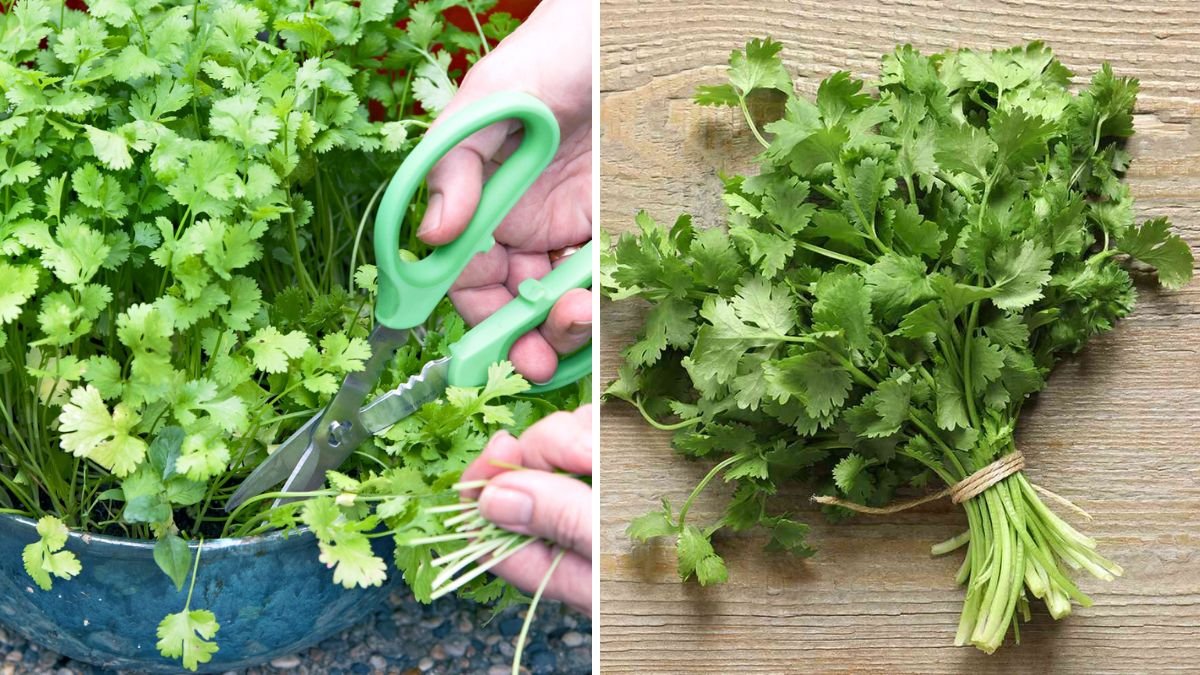
Coriander—also known as cilantro or dhania—is one of the most essential herbs in Indian kitchens and worldwide cuisine. Its refreshing aroma, delicate leaves, and versatile flavor make it a beloved ingredient in chutneys, curries, salads, soups, and garnishes. But if you’ve ever tried growing coriander at home, you know it can be a little tricky. Many gardeners struggle with bolting, slow growth, or thin, weak plants.
The good news? With the right techniques, you can grow coriander at home all year round, whether you live in a warm tropical climate or a region with chilly winters. This complete guide will walk you through everything—from seed preparation to soil, watering, sunlight needs, and harvesting methods—to ensure you enjoy continuous fresh coriander every single week.
Let’s dive into the secrets of growing lush, leafy, and flavorful coriander anytime you want!
Why Grow Coriander at Home All Year?
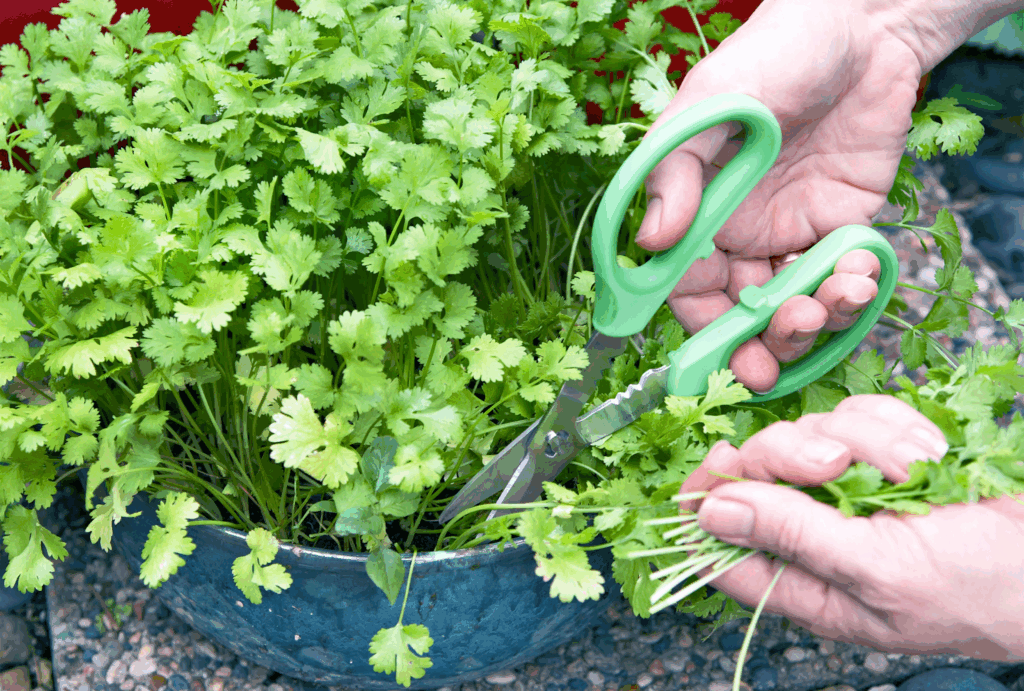
Growing your own coriander offers several benefits:
✔ Always Fresh
No more rushing to the market or dealing with wilted leaves. Homegrown coriander is crisp, fragrant, and bursting with flavor.
✔ Pesticide-Free
Commercial herbs often contain chemicals to stay fresh longer. Homegrown coriander is safe and organic.
✔ Cost-Effective
A single packet of seeds can give you months of continuous harvests.
✔ Satisfying and Fun
Watching your herb garden thrive adds beauty to your home and satisfaction to your meals.
Understanding Coriander: What It Needs to Thrive
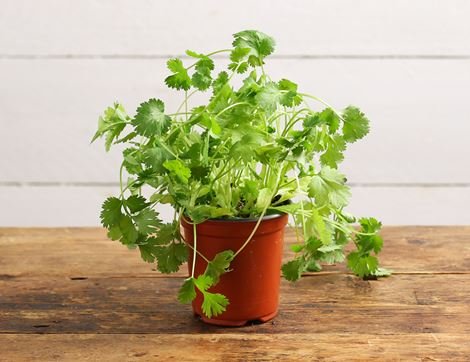
Before planting, it’s helpful to know what coriander prefers:
- Cooler temperatures: 18–25°C is ideal
- Soft, well-draining soil
- Moderate sunlight: 4–5 hours/day
- Moist (not soggy) conditions
- Space to grow leaves before flowering
Coriander tends to bolt (produce flowers and seeds) quickly in high heat. But with proper care, you can control this and grow it year-round even in summer.
Step-by-Step Guide: How to Grow Coriander All Year
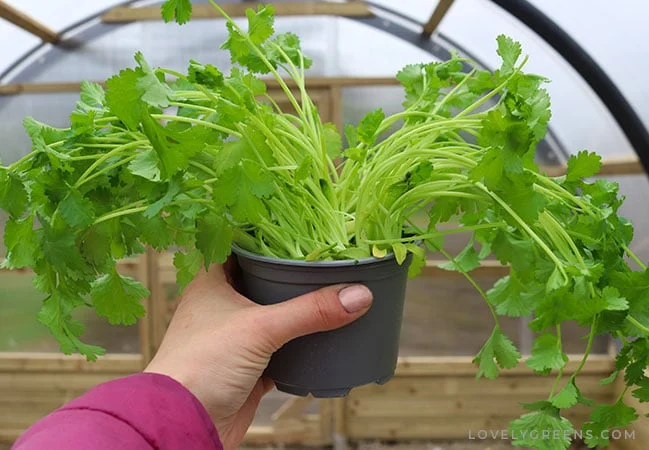
1. Choose the Right Seeds
Always pick whole coriander seeds—not split ones. If purchasing from the store, ensure they are:
- Plump
- Unbroken
- Light brown in color
Professional seed packets often give better germination rates.
2. Crack the Seeds Before Planting
Coriander seeds are actually two seeds stuck together.
Gently crush them with your palms or a rolling pin.
This helps:
- Faster germination
- Stronger seedlings
- Uniform growth
Be careful—not too hard, just enough to split the shell.
3. Prepare the Perfect Soil Mix
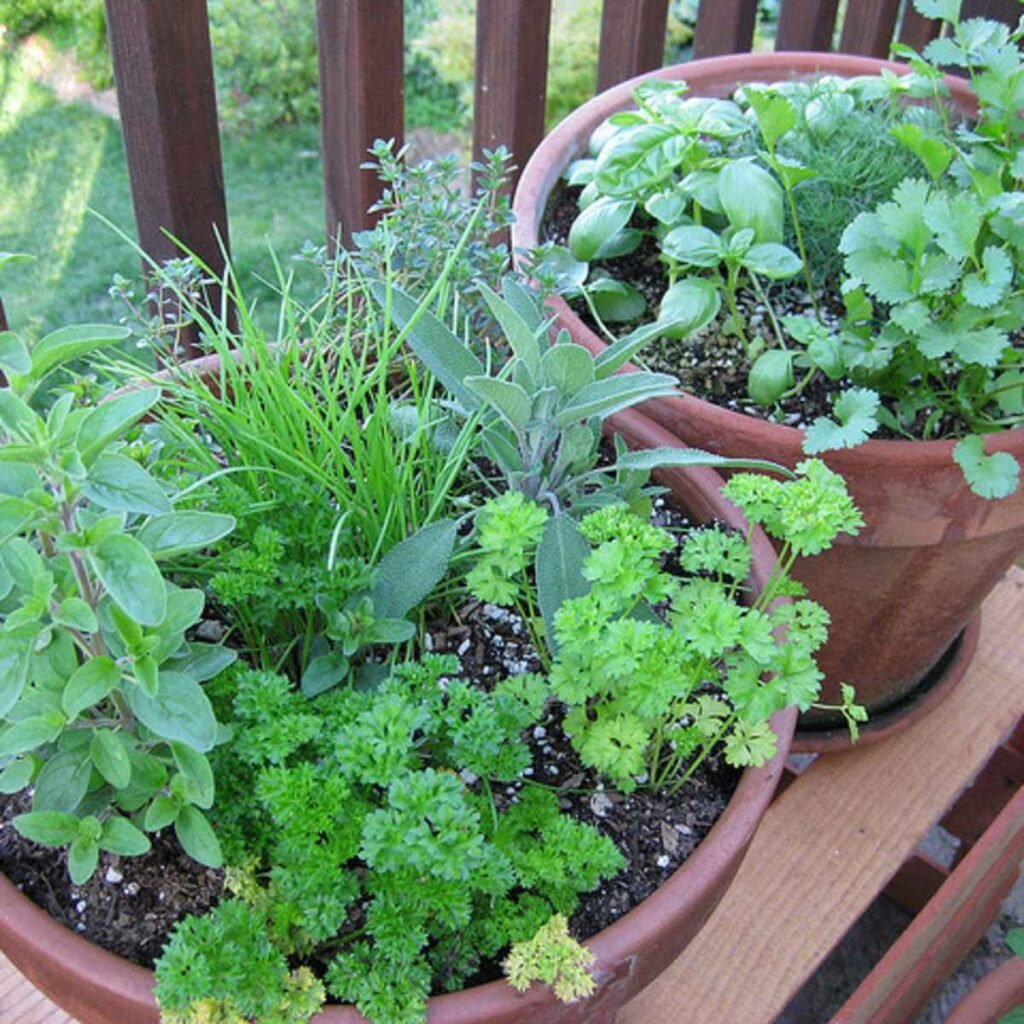
Coriander loves light, nutritious, well-draining soil.
Use this mix:
- 40% garden soil
- 30% compost or cow manure
- 30% sand or cocopeat
- Optional: a handful of neem cake to prevent pests
Loose soil allows roots to spread easily and promotes leafy growth.
4. Choose the Right Container

Coriander doesn’t need depth but loves space.
Best container size:
- Depth: 6–8 inches
- Width: Large trays or grow bags (minimum 12 inches)
Growing in wide containers allows you to sow densely and harvest more.
5. Sow the Seeds Properly
- Fill the container with soil
- Sprinkle the cracked seeds evenly
- Maintain spacing of 1–2 cm between seeds
- Lightly cover with a thin layer of soil (0.5 cm)
- Water gently using a spray bottle
Do not bury seeds too deep. Coriander germinates best near the surface.
6. Provide the Right Sunlight
Coriander needs morning sun and shade during harsh afternoon heat.
Ideal lighting conditions:
- Winter: 5–6 hours of sunlight
- Summer: 3–4 hours morning sun + shade/net
If sunlight is too strong, coriander will bolt early.
7. Watering the Right Way
Coriander loves moisture but hates standing water.
Follow this routine:
- Keep soil consistently moist
- Water daily in summer
- Water every alternate day in winter
- Avoid waterlogging
- Use a spray bottle for young seedlings
Mulching with dry leaves or cocopeat helps retain moisture.
8. Prevent Bolting for Continuous Growth
Bolting is the biggest enemy of continuous coriander harvest.
Avoid bolting by:
- Keeping soil moist
- Providing partial shade
- Avoiding heat stress
- Harvesting leaves frequently
- Growing in cooler spots during summer
If a plant bolts, remove the flowering stem to encourage more leaves—but some plants will still proceed to seed.
Grow Coriander All Year: Seasonal Care Tips
🌞 Summer (High Heat)
- Use shade net (50%)
- Water twice daily
- Avoid direct afternoon sun
- Grow in deep shade balcony or patio
- Choose bolt-resistant varieties
🍁 Winter (Cool Climate)
- Keep in full sun
- Water lightly
- Fertilize once a month
- Fastest growth occurs in winter
🌧 Monsoon
- Avoid excessive watering
- Ensure good drainage
- Watch for fungal infections
How to Harvest Coriander for Continuous Supply
To keep coriander growing all year, smart harvesting is key.
Method 1: Cut-and-Come-Again
- Cut leaves from the sides
- Leave the center growth untouched
- Harvest weekly
- Plants regrow for 30–40 days
Method 2: Full Harvest with Resowing
After 25–30 days:
- Cut the whole bunch at soil level
- Immediately sow new seeds in the same tray
This maintains continuous cycles of fresh coriander.
Method 3: Staggered Planting
Sow seeds every 10–12 days.
This ensures:
- A fresh batch is always ready
- No gaps in supply
- Maximum year-round productivity
Fertilizing for Lush Green Leaves
Coriander needs only mild feeding.
Use once every 2 weeks:
- Liquid compost tea
- Diluted cow dung water
- Seaweed extract
- Panchagavya
Avoid chemical fertilizers—they cause bolting and reduce flavor.
Common Problems and How to Fix Them
1. Plants Turning Yellow
Cause: Overwatering or poor soil
Fix: Improve drainage, reduce watering
2. Thin, Weak Stems
Cause: Lack of sunlight
Fix: Place in brighter spot
3. Early Bolting
Cause: Heat stress
Fix: Give shade, keep soil moist
4. Poor Germination
Cause: Unsuitable seeds
Fix: Always split seeds before sowing
Grow Coriander Indoors: Yes, It Works!
If you don’t have outdoor space, coriander grows beautifully indoors.
Tips:
- Place near a bright window
- Use grow lights if needed
- Maintain humidity
- Avoid AC breeze
- Water lightly
Indoor coriander is surprisingly fragrant and fresh!
Why Coriander is Perfect for Apartment Gardeners
- Grows fast
- Requires very little space
- Needs minimal fertilizer
- Looks beautiful in kitchen gardens
- Perfect for beginners
Even in a small balcony or windowsill, you can grow enough coriander to supply your kitchen every week.
Final Thoughts
Growing coriander at home all year round is not just possible—it’s easy and incredibly rewarding once you understand the plant’s needs. With the right soil mix, lighting, watering habits, and harvesting techniques, you can enjoy lush green coriander throughout summer, monsoon, and winter.
Whether you’re a beginner gardener or an experienced grower, coriander is the perfect herb to enhance your kitchen garden, elevate your dishes, and bring fresh fragrances to your home.