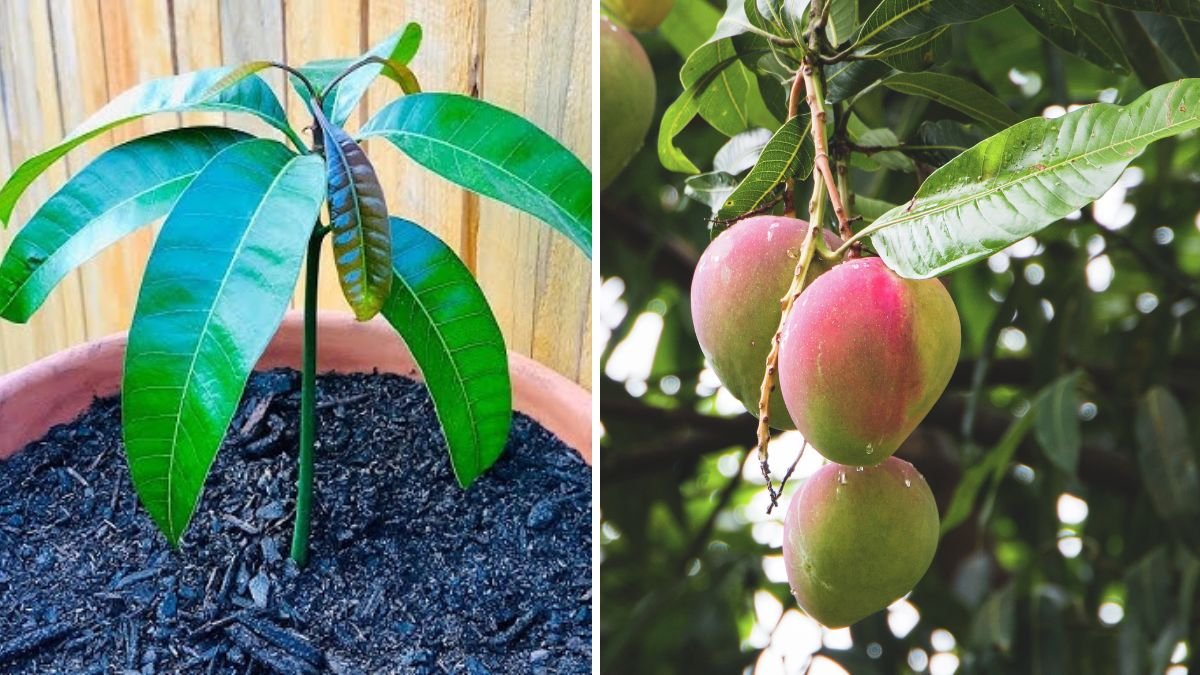
Growing a mango tree from a simple cutting placed in water might sound unbelievable, but with the right method, it becomes a surprisingly easy and rewarding process. Water propagation is clean, fast, and allows you to watch your mango cutting develop strong, visible roots before planting it in soil. Whether you’re a beginner gardener or an experienced plant lover, this method offers a fun and effective way to multiply your favorite mango varieties right at home.
In this detailed 1200-word guide, you’ll discover how to select the right cuttings, prepare them properly, encourage strong rooting in water, and transition your mango plant from water to soil successfully.
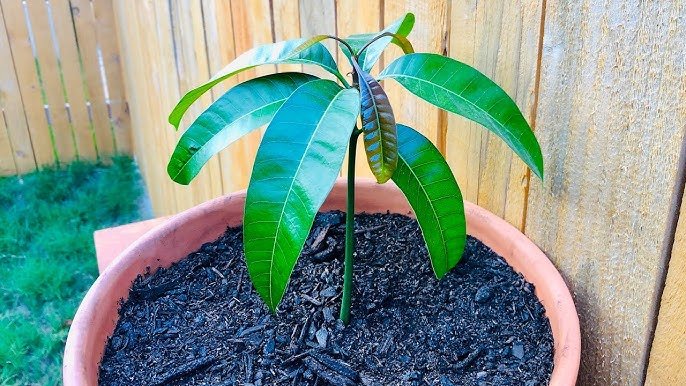
🥭 Why Propagate Mango Trees in Water?
While traditional mango propagation (seeds or grafting) is common, water propagation offers several advantages:
✔ Root Growth is Visible
You can observe root development and ensure your cutting is healthy before planting.
✔ Faster Root Production
Water provides consistent moisture—ideal for root initiation.
✔ Low-Cost & Beginner-Friendly
No soil, no mess—just a jar, clean water, and sunlight.
✔ More Control Over the Process
You can track progress and spot contamination early.
✔ A Fun Indoor Gardening Project
Perfect for kids, learners, or anyone exploring advanced gardening techniques.
🥭 Picking the Right Mango Cutting for Propagation
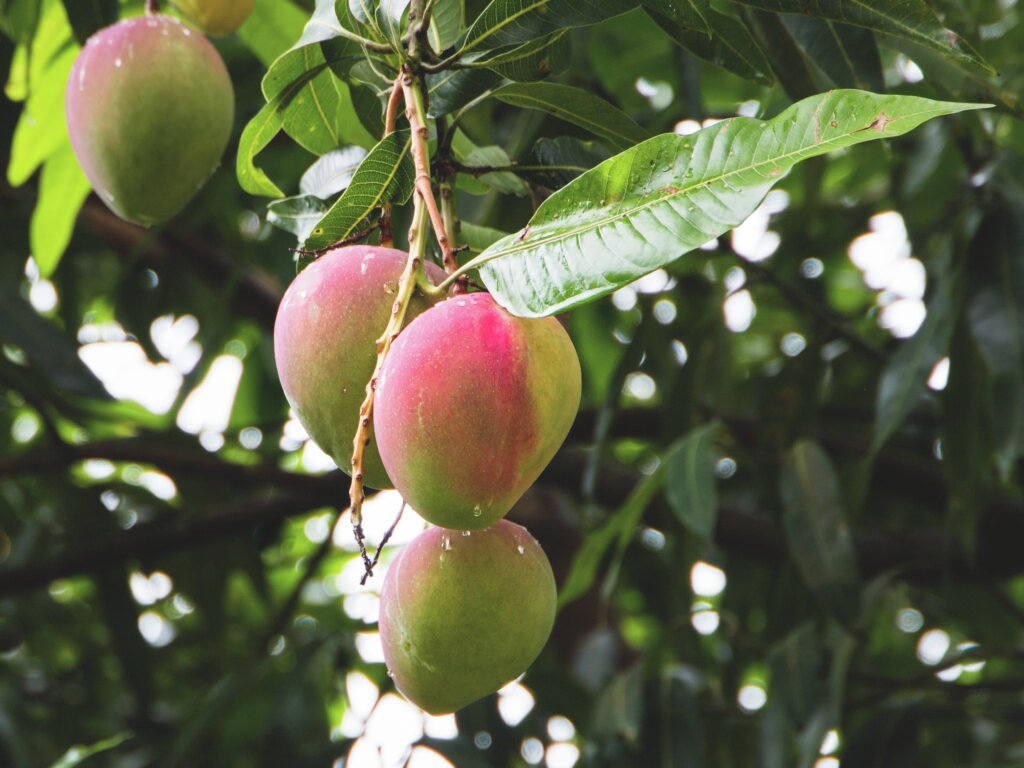
Not all mango branches will root successfully. Choosing the right cutting determines your success.
🌟 Ideal Cutting Characteristics:
- Semi-hardwood (not too young, not too woody)
- Pencil-thick
- 6–8 inches long
- At least 3–4 leaf nodes
- Taken from a healthy, disease-free tree
- Contains no flowers or fruit
❌ Avoid:
- Very soft or green shoots
- Branches with pests or fungal marks
- Thick woody branches older than 1 year
✂ How to Cut:
Use clean, sharp pruning shears and cut at a 45-degree angle below a leaf node. This angle exposes more surface area for rooting.
💧 Preparing the Cutting for Water Propagation
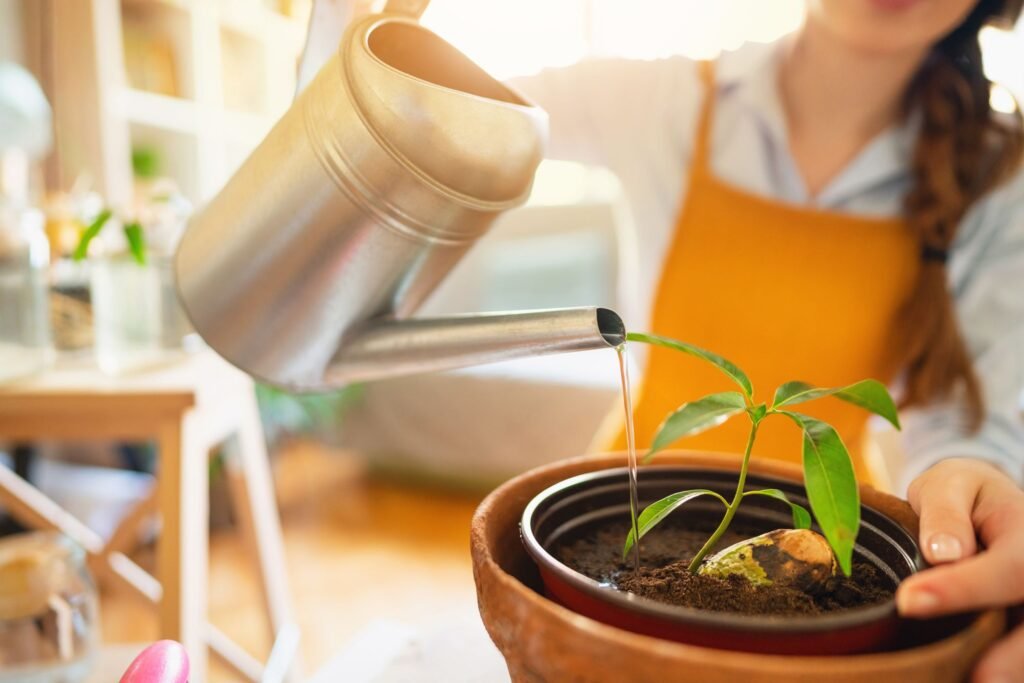
Before placing the cutting in water, proper preparation ensures the best rooting chances.
1. Remove Lower Leaves
Strip off the bottom leaves, leaving only the top 2–3 leaves.
This reduces water loss through transpiration.
2. Cut Remaining Leaves in Half
This further reduces stress and helps the cutting focus on root formation.
3. Apply Rooting Hormone (Optional but Highly Recommended)
Dip the cut end in:
- Natural rooting solution
- Honey
- Aloe vera gel
- Commercial rooting powder
This speeds up root growth and prevents rot.
💧 Placing the Cutting in Water
Now that the cutting is ready, it’s time to introduce it to water.
🥤 Choose the Right Container:
- Transparent glass jar or cup
- Deep enough to submerge the bottom 2–3 inches
- Wide opening for easy cleaning
🧼 Use Clean, Filtered Water:
Tap water works, but allow it to sit for 12 hours to remove chlorine.
🌿 How to Submerge:
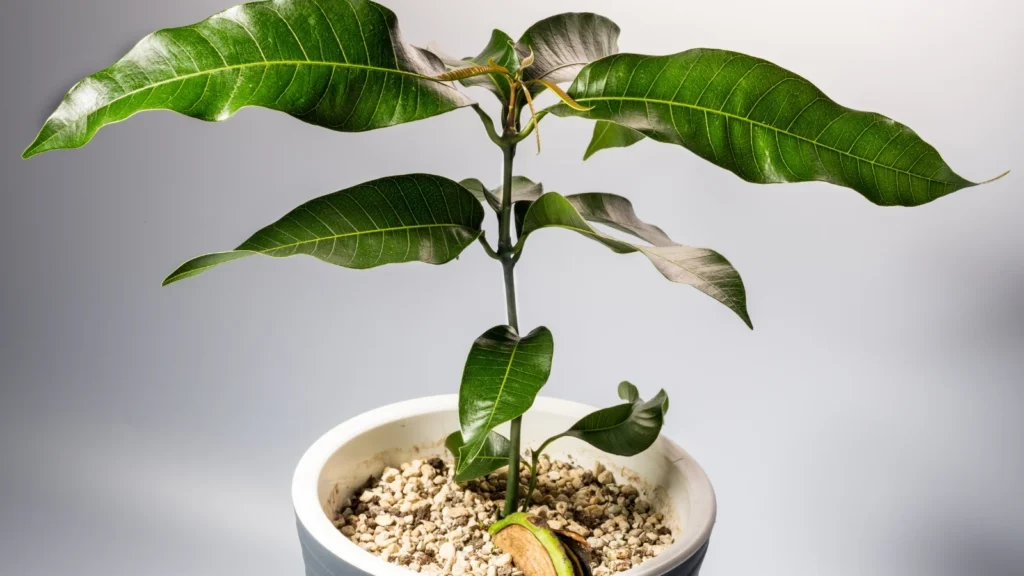
- Place the cutting so only the bottom nodes are underwater.
- Keep leaves above the water surface at all times.
🌞 Location:
Place the jar in a bright spot with indirect sunlight.
Avoid direct sun—it can overheat and damage the cutting.
💧 Caring for the Cutting During Root Formation
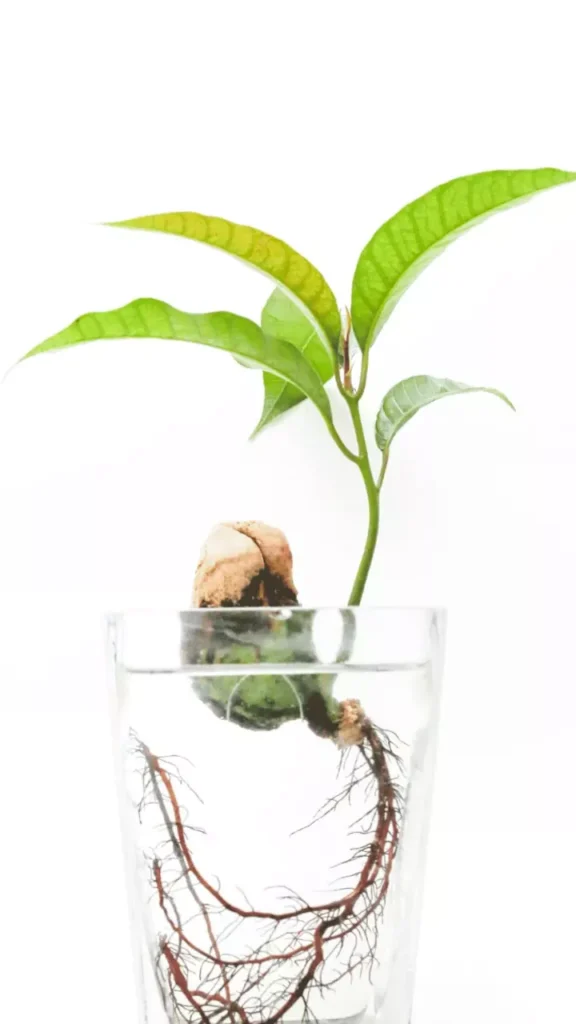
Rooting a mango cutting in water takes 2–6 weeks, depending on weather and variety. During this time, proper care is essential.
✔ Change the Water Regularly
Replace with fresh water every 3–4 days to avoid bacterial buildup.
✔ Clean the Jar Weekly
Wash it to prevent slime, algae, or fungus.
✔ Watch for Signs of Growth
Within 1–2 weeks you’ll notice:
- Swelling at the leaf nodes
- Formation of white callus tissue
- Tiny root nubs appearing
These are signs of successful rooting.
✔ Maintain Good Humidity
Mango cuttings root better when humidity is high.
You can increase humidity by:
- Covering the jar with a plastic bag
- Using a humidity dome
- Keeping a water bowl nearby
However, ensure airflow to prevent mold.
🥭 Common Problems During Water Propagation & Solutions
❗ Stem Rot
Cause: Water level too high, contaminated water
Fix:
- Raise the cutting so only the bottom inch is submerged
- Change water more frequently
- Trim rot and reapply rooting hormone
❗ Leaves Drying or Falling Off
Cause: Too much sunlight or low humidity
Fix:
- Move to shady area
- Increase humidity
❗ No Roots Forming After 4 Weeks
Cause: Cold temperature or poor cutting
Fix:
- Keep cutting warm (22–28°C)
- Try a new cutting with rooting hormone
🌱 When the Cutting Is Ready to Plant in Soil
Your cutting is ready for soil when:
✔ Roots are 2–3 inches long
✔ Several root filaments have formed
✔ Stem is firm and leaves look healthy
Roots grown in water are fragile—handle with care.
🪴 Transplanting the Rooted Cutting into Soil
This is a critical step—successful transition determines long-term growth.
🌿 Prepare a Potting Mix
Mango prefers loose, well-drained soil.
Ideal Soil Mix:
- 40% garden soil
- 40% compost or cow manure
- 20% sand or perlite
Good drainage prevents root rot.
🌱 Planting Process
- Choose a medium-sized pot with drainage holes.
- Add a layer of stones or gravel.
- Fill the pot with prepared soil mix.
- Make a deep hole and gently insert the cutting.
- Cover roots carefully and press soil lightly.
- Water thoroughly until soil is moist.
🌞 After-Planting Care
- Keep in bright, indirect sunlight for 1–2 weeks.
- Mist the leaves daily.
- Do NOT expose to full sun immediately.
- Avoid overwatering—slightly moist soil is enough.
After 3–4 weeks, the cutting will adjust and begin new leaf growth.
🌳 Long-Term Care for Your Mango Plant
🌞 Sunlight
Mango trees love sunlight—gradually introduce them to full sun after 3–4 weeks.
💧 Watering
- Water when the top 2 inches feel dry.
- Avoid standing water at all costs.
🌱 Fertilizing
Feed the plant every 30 days during growing season with:
- NPK 10-10-10
- Seaweed extract
- Compost tea
Avoid heavy nitrogen early on—it can slow root development.
🌿 Pruning
Prune lightly to encourage branching and shape your tree.
🥭 Will a Water-Propagated Mango Tree Produce Fruit?
A mango tree rooted from cuttings can produce fruit, but:
- It may take 3–6 years
- Good care and feeding are essential
- The fruit quality matches the parent tree (big advantage over seed-grown trees)
This method preserves the variety—perfect for premium mango types like Alphonso or Kesar.
🌟 Final Thoughts: A Simple yet Magical Method
Propagating a mango tree in water is more than just a gardening trick—it’s a fascinating process that lets you grow a beautiful mango tree right before your eyes. From selecting the cutting to watching roots appear and nurturing your new plant into the soil, every step brings excitement and joy.
Whether you dream of harvesting your own mangoes one day or simply want a stunning tropical plant for your home, this method is a fun, inexpensive, and effective way to expand your garden.