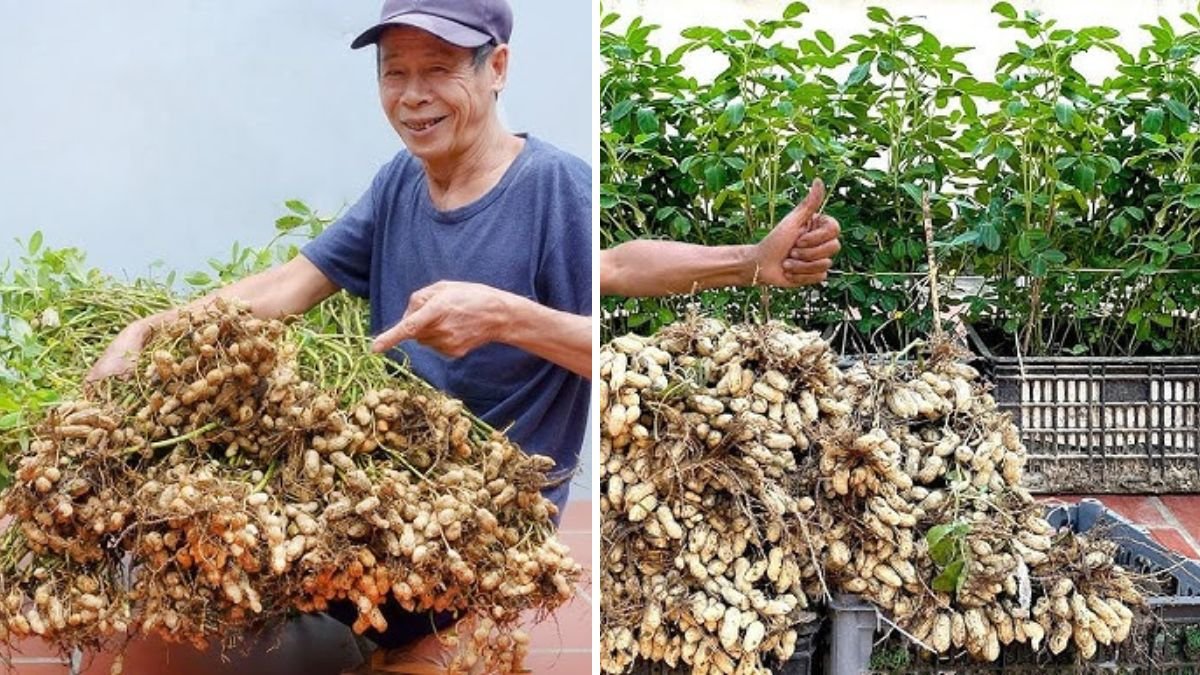
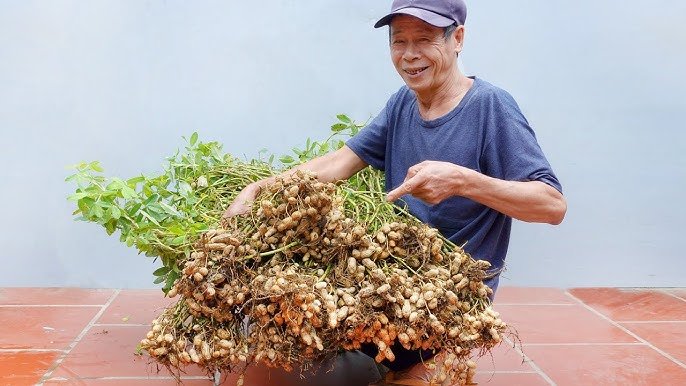
Peanuts are one of the most fun and rewarding plants you can grow at home. Many beginners assume that peanuts require large fields or special farming experience—but the truth is, peanuts grow beautifully in home gardens, pots, and even small balconies. With just a bit of sunlight, loose soil, and regular care, you can harvest fresh, organic peanuts right from your backyard.
In this complete 1200-word guide, we’ll walk you through every step—from planting to harvesting—so you can confidently start growing your own peanuts the easy way.
🌿 Why Grow Peanuts at Home?
Peanuts are unique because they grow above ground first, then form pods underground. This makes them both fascinating and enjoyable for gardeners of all ages—especially children who love to watch how the plant behaves differently from other crops.
Here’s why peanuts are perfect for home growing:
- They grow well in pots
- Require very little maintenance
- Enrich the soil with nitrogen
- Produce a good harvest in just 4–5 months
- Thrive in warm climates like India, Southeast Asia, Africa, and South America
- Are naturally pest-resistant compared to many other crops
If you love fresh, crunchy, flavorful peanuts, this is one plant you should definitely try!
🥜 Understanding How Peanuts Grow
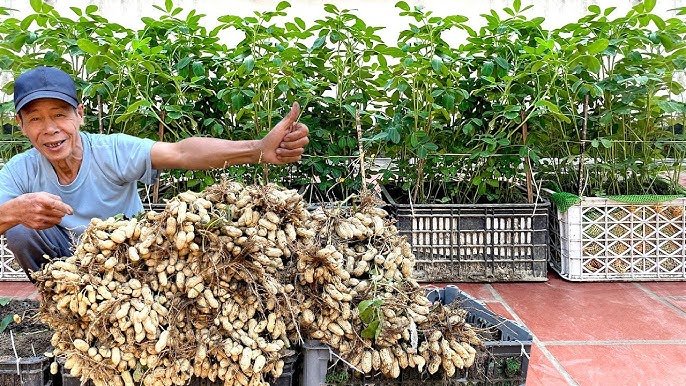
Peanuts come from the Arachis hypogaea plant, a short bushy plant that grows about 1–1.5 feet tall. After flowering, the plant does something amazing:
👉 The flower stalk bends downward and pushes the developing peanut pod into the soil, where it grows underground.
This process makes peanuts both exciting and educational, especially for anyone new to gardening.
🌱 1. Choosing the Right Peanut Variety
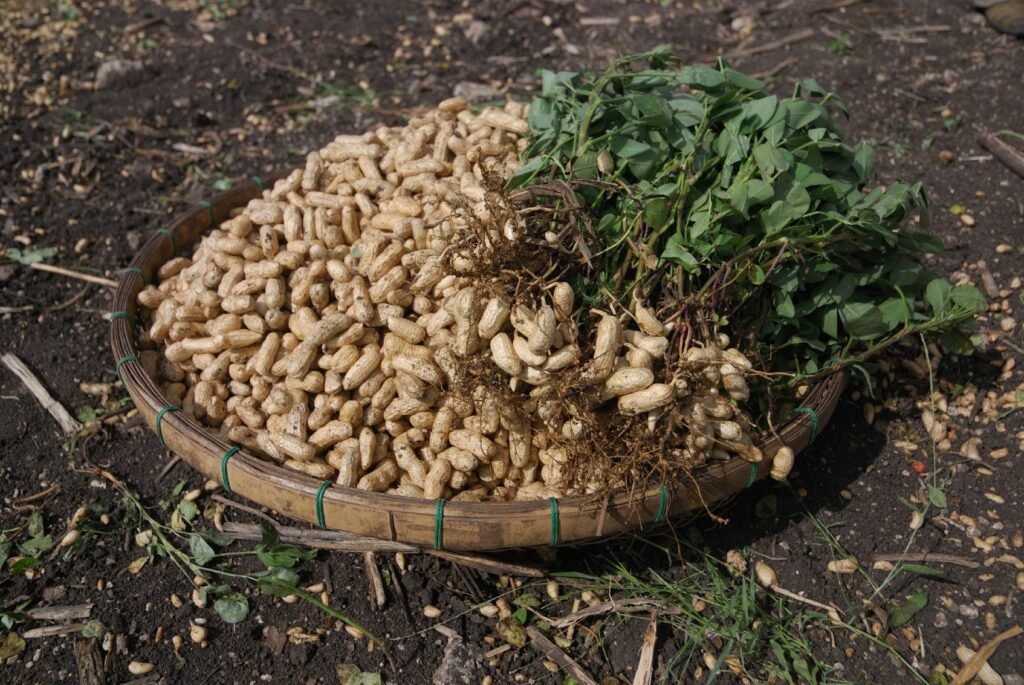
There are three main types of peanuts commonly grown at home:
⭐ 1. Virginia Peanuts
- Large seeds
- Great for boiling or roasting
- Best for home gardens
⭐ 2. Spanish Peanuts
- Smaller seeds
- Sweeter taste
- Good for oil and snacks
⭐ 3. Valencia Peanuts
- Very sweet
- Grow faster
- Ideal for warm tropical climates
Choose any variety based on what’s available locally and the type of peanuts you enjoy eating.
🌾 2. Preparing Seeds for Planting
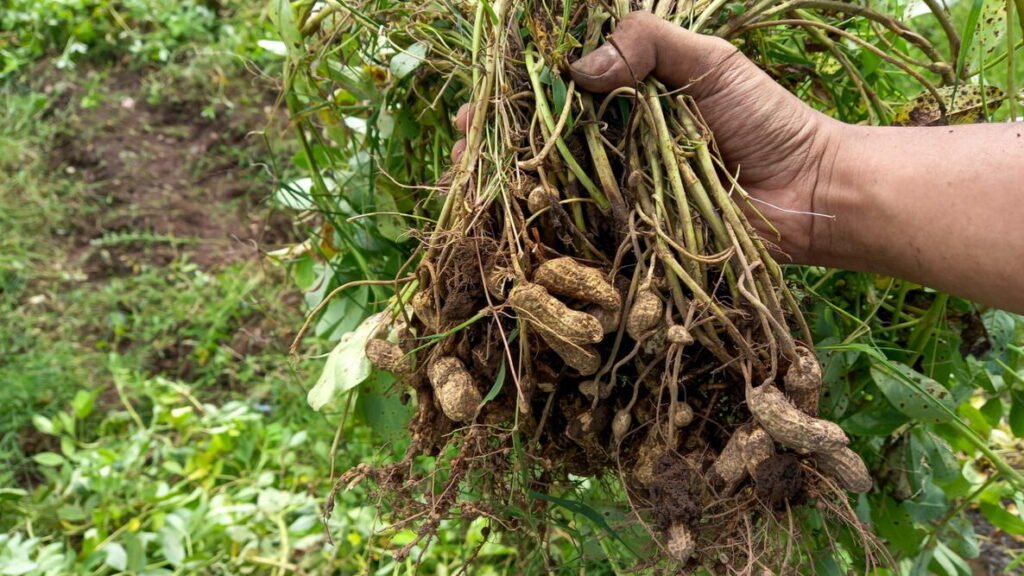
Peanuts are grown from seeds—actually, from raw peanuts with skin intact.
✔ Use Only Raw Peanuts
Do not use roasted or salted peanuts.
Choose:
- Raw
- Unsalted
- Unfried
- Shell-on peanuts (preferable)
✔ How to Prepare Seeds
If you have peanuts in shells:
- Crack open the shell gently
- Keep the seed coat intact
- Choose healthy, plump seeds
If you’re using store-bought raw peanuts, make sure they are unprocessed.
🍃 3. Ideal Soil for Growing Peanuts
Peanuts thrive in loose, sandy, well-draining soil. The looser the soil, the easier it is for pegs (the flower stalks) to enter the ground.
👉 Recommended Soil Mix:
- 40% garden soil
- 40% sand
- 20% compost
- A handful of wood ash or bone meal for calcium
Avoid heavy clay soils—they restrict pod development.
🪴 4. How to Grow Peanuts in Pots or Ground
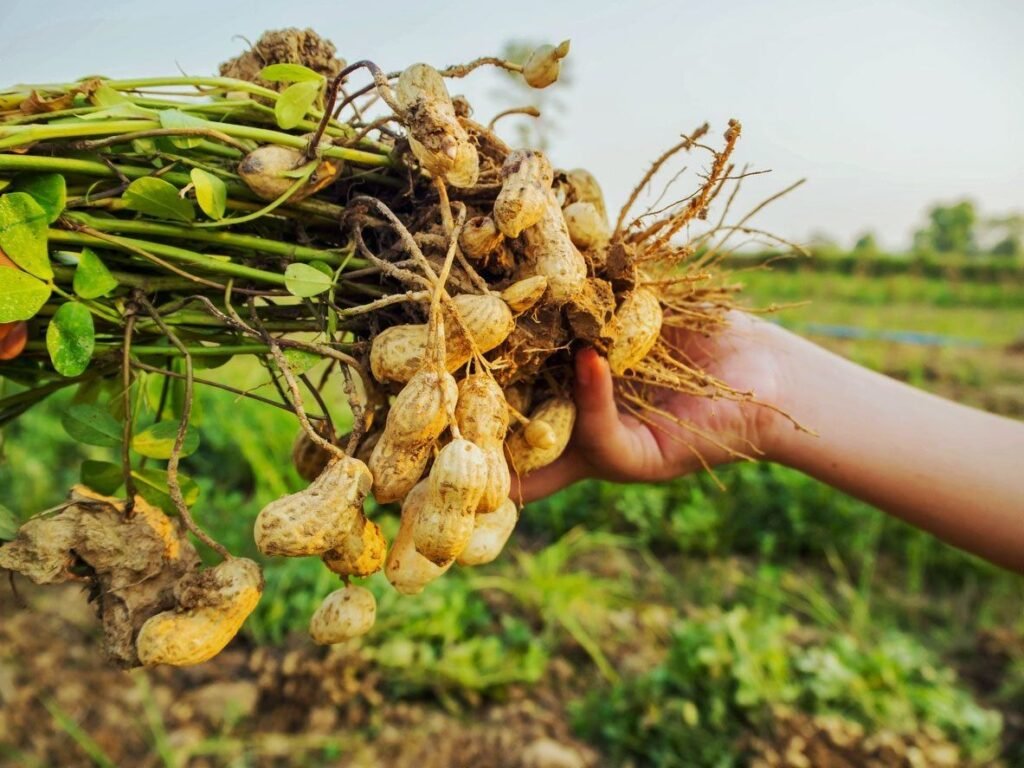
You can grow peanuts both in pots and directly in the soil.
🌿 Growing Peanuts in Pots
Choose:
- 12–14 inch deep pot
- Wide container (peanuts need space to spread)
⭐ Planting Steps:
- Fill pot with loose soil mix
- Plant seeds 2–3 inches apart
- Place seeds 2 inches deep
- Water gently
- Keep in a sunny location
🌿 Growing Peanuts in the Ground
If you have space in your garden:
- Loosen soil deeply
- Create rows with 1-foot spacing
- Plant seeds 6 inches apart
- Water well and mulch lightly
🌞 5. Sunlight & Temperature Requirements
Peanuts love the sun.
✔ Sunlight:
At least 6–8 hours of direct sunlight daily.
✔ Temperature:
Best growth happens between 22°C – 35°C.
If you live in a cooler region, plant peanuts in late spring or early summer.
💧 6. Watering Needs
Water is crucial during the early growth stages.
👉 During Germination:
Water lightly every day until the plant sprouts.
👉 After Sprouting:
Water every 2–3 days.
👉 During Flowering & Pegging (Very Important!):
Maintain consistent moisture so that pegs can enter the soil easily.
⚠ Avoid overwatering
Peanuts do not like waterlogged soil. Too much water can cause root rot or mold on pods underground.
🌼 7. Flowering & Pegging: The Magic Stage
About 30–40 days after planting, peanuts produce lovely yellow flowers.
⭐ After Flowering:
- The flower stalk bends down
- Pushes itself into the soil
- Peanut pods start forming underground
At this stage:
✔ Keep soil soft
✔ Add mulch
✔ Ensure consistent moisture
✔ Avoid disturbing the soil
This is the most critical stage in peanut development.
🌿 8. How to Fertilize Peanuts
Peanuts are nitrogen-fixing plants, meaning they naturally enrich the soil.
This makes fertilizing simple.
⭐ Minimal Fertilizer Needed
But to boost growth and yield, use:
✔ Best Fertilizers:
- Compost
- Cow dung manure
- Banana peel fertilizer
- Wood ash (for calcium)
👉 Feeding Schedule:
- At planting time: Mix compost in soil
- At flowering time: Add wood ash
- Midway through pegging: Add a light layer of compost
Avoid high-nitrogen fertilizers (urea), as they produce too many leaves and fewer peanuts.
🐛 9. Pest & Disease Management
Peanuts are naturally hardy but can face a few common issues:
⭐ Pests:
- Aphids
- Leaf miners
- Caterpillars
- Ants
✔ Solution:
Spray neem oil every 10 days.
⭐ Diseases:
- Leaf spot
- Root rot (caused by overwatering)
- Powdery mildew
✔ Solution:
Improve airflow, avoid waterlogging, and remove infected leaves quickly.
🥜 10. Harvesting Your Homegrown Peanuts
Peanuts are ready to harvest 100–130 days after planting.
⭐ Signs of Maturity:
- Leaves turn yellow
- Plant starts drying
- Soil feels loose
- Shell inside is firm and well filled
👉 How to Harvest:
- Loosen soil with a fork
- Pull the entire plant gently
- Shake off soil
- Let the whole plant dry in the sun for 3–5 days
After drying:
✔ Remove peanuts
✔ Sun-dry them again for 2–3 days
✔ Store in an airtight container
The flavor of homegrown peanuts is richer, fresher, and more aromatic than store-bought ones.
🍽 11. Enjoying Your Fresh Harvest
You can enjoy homegrown peanuts by:
- Boiling
- Roasting
- Making peanut butter
- Making chikki
- Adding to curries
- Snacking raw (after boiling)
Nothing beats the satisfaction of eating nuts you grew yourself!
🌿 12. Common Mistakes to Avoid
❌ Planting in heavy clay soil
❌ Overwatering
❌ Not giving enough sunlight
❌ Disturbing soil during pegging
❌ Planting seeds too deep
❌ Using roasted peanuts as seeds
❌ Skipping mulch
Avoid these mistakes and your peanut harvest will be abundant.
🌱 Conclusion
Growing peanuts at home is one of the simplest and most exciting gardening experiences you can try. With just loose soil, regular watering, and plenty of sunlight, you can enjoy a generous harvest of fresh, organic peanuts in a few months.
Whether you plant them in your garden, terrace, or balcony, peanuts add beauty, greenery, and a delicious reward at the end of the season.
If you want, I can also create: