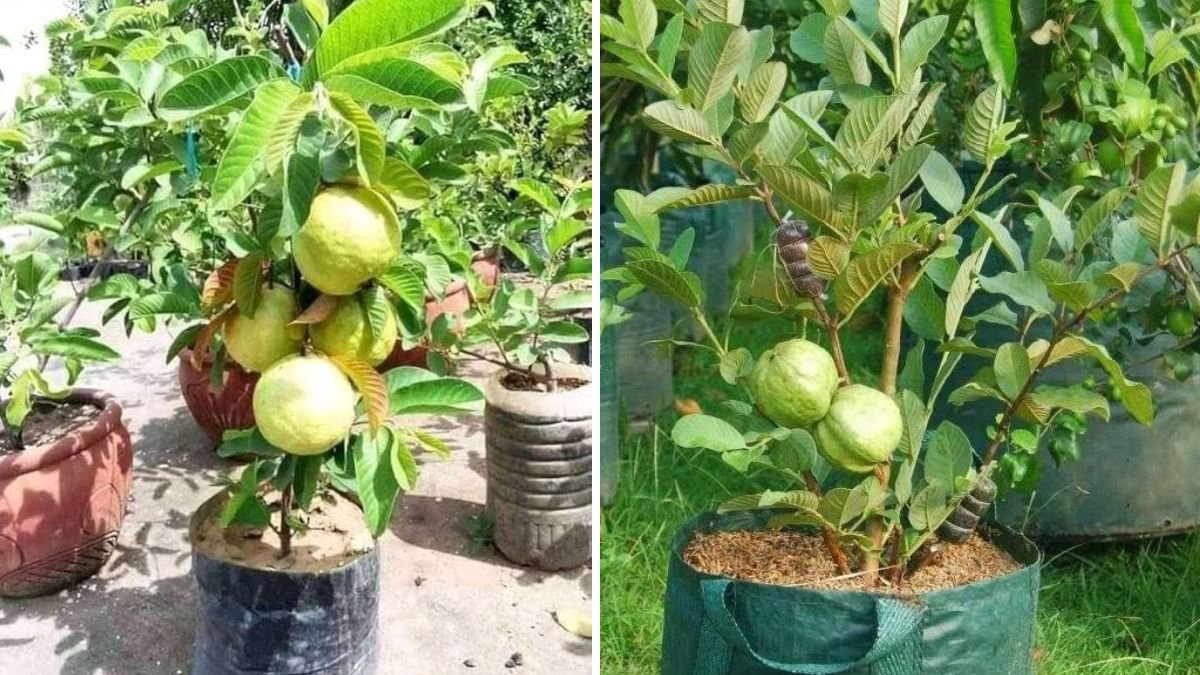
Guava, often called the “Apple of the Tropics,” is a highly nutritious and economically valuable fruit crop. Traditionally, guavas are propagated through seeds, cuttings, or conventional grafting methods. However, a revolutionary technique called hydro grafting is transforming guava cultivation, offering faster, healthier, and more reliable production.
In this comprehensive 1200-word guide, we will explore hydro grafting of guavas, its advantages, step-by-step techniques, aftercare, and why it represents the future of commercial fruit production.
🌱 Introduction: What Is Hydro Grafting?
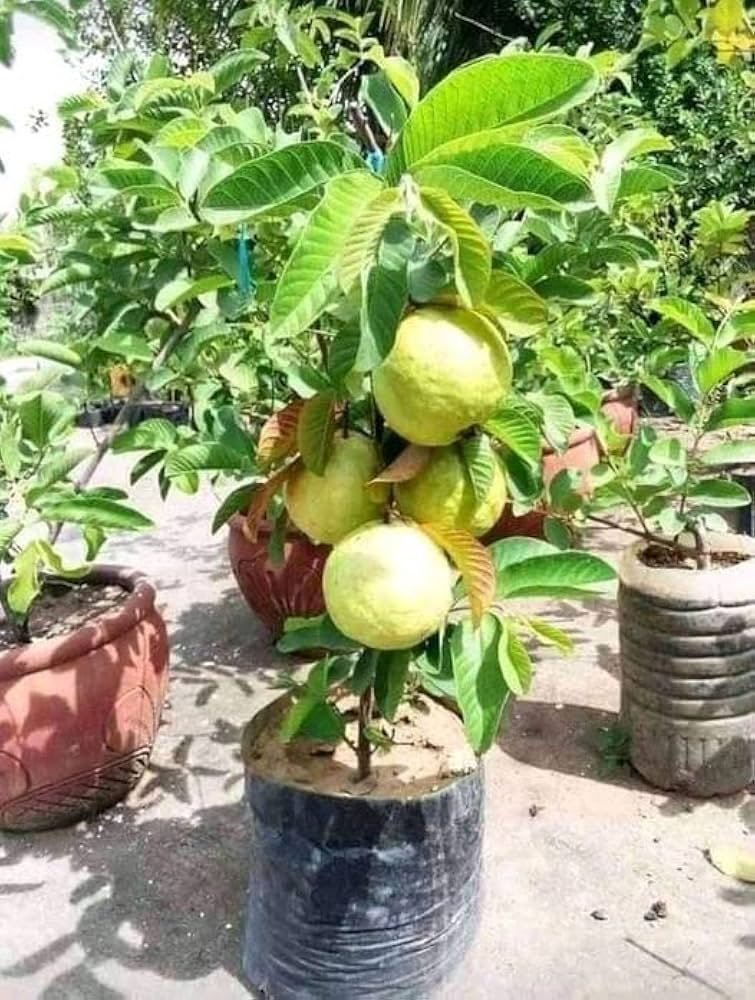
Hydro grafting is an advanced grafting method in which the scion and rootstock are united under controlled water and nutrient conditions, often in a hydroponic or mist environment. Unlike traditional grafting, which relies on soil moisture and manual care, hydro grafting ensures:
- Faster graft union
- Higher success rates
- Reduced disease incidence
- Uniform plant growth
This technique is gaining popularity in guava nurseries worldwide, particularly for producing high-quality, disease-free plants.
🍈 Why Hydro Grafting Is the Future of Guava Cultivation
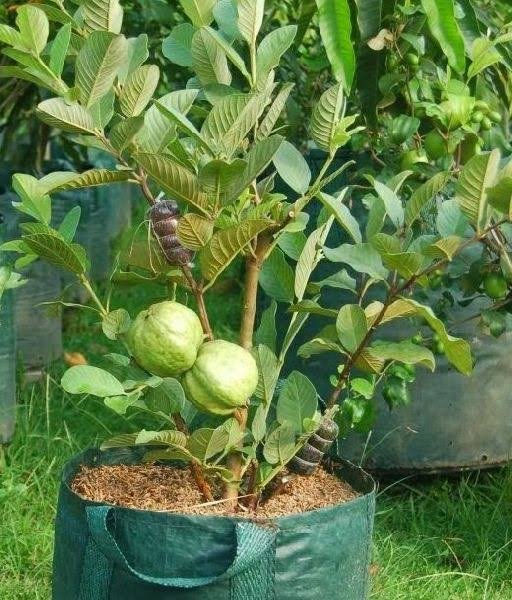
✔️ 1. Faster Growth
Hydro grafting accelerates healing and growth because the graft is constantly supplied with water and nutrients. Plants can establish in 3–4 weeks compared to 6–8 weeks in soil grafting.
✔️ 2. Higher Success Rate
Traditional grafting has a success rate of 70–80%, whereas hydro grafting achieves 90–95% success when done properly.
✔️ 3. Disease-Free Plants
By avoiding soil, hydro grafting reduces root-borne diseases, nematodes, and fungal infections, resulting in healthier guava plants.
✔️ 4. Uniform and Strong Plants
Hydro-grafted guavas exhibit uniform growth, vigorous roots, and stronger scion-rootstock unions, making them ideal for commercial orchards.
✔️ 5. Ideal for High-Value Varieties
Rare or expensive guava cultivars can be propagated without risk, preserving their genetic purity.
🌿 Step 1: Choosing the Right Rootstock and Scion
The first step in hydro grafting is selecting healthy and compatible rootstock and scion.
✔️ Rootstock Selection
- Choose disease-free, vigorous guava seedlings
- Prefer seedlings that are 4–6 months old with pencil-thick stems
- Rootstocks should be free from pests and root defects
✔️ Scion Selection
- Use 1-year-old, healthy guava branches
- Ensure the scion has 3–4 buds and is free from disease
- Popular guava varieties for hydro grafting:
- Allahabad Safeda
- Lucknow 49
- White Delhi
- Red Malaysian
🔪 Step 2: Preparing for Hydro Grafting
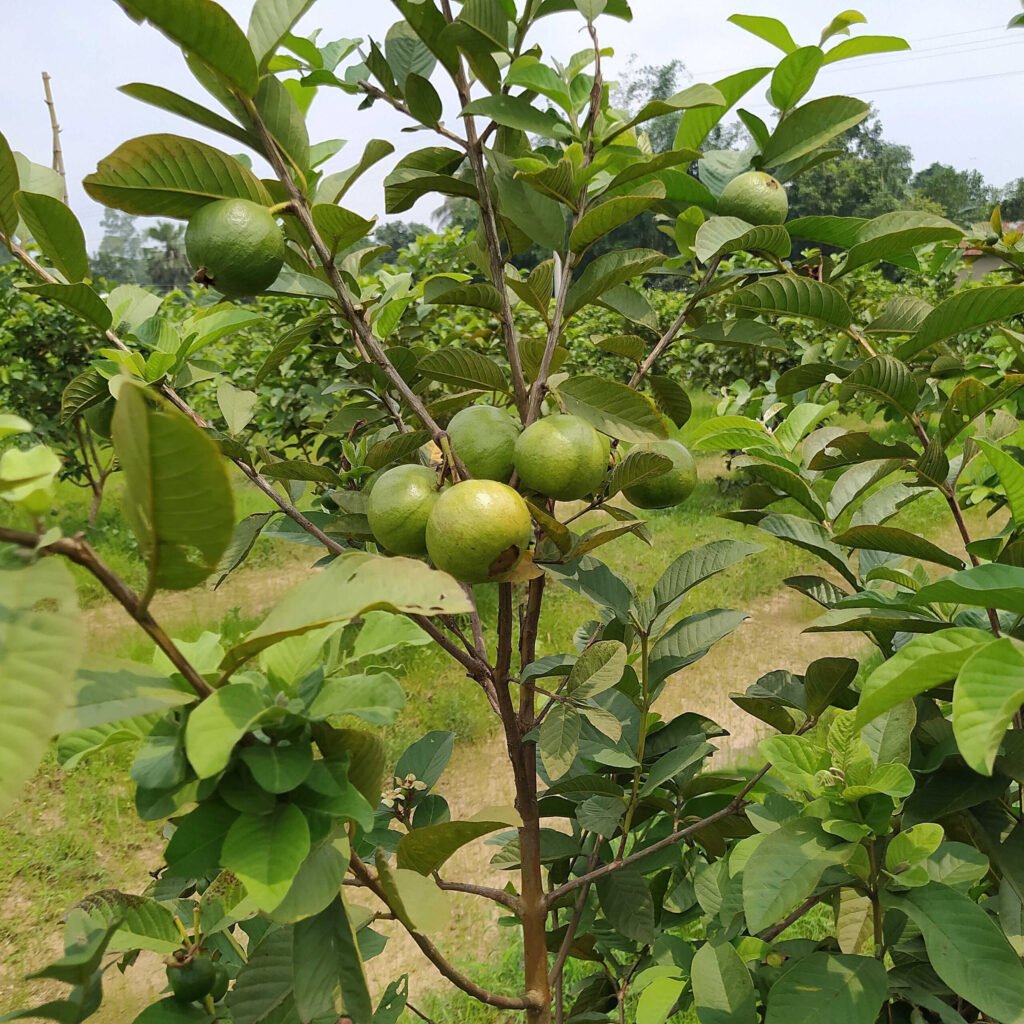
Hydro grafting requires clean tools and controlled conditions:
✔️ Tools and Materials
- Sharp grafting knife or scalpel
- Hydro grafting chamber or mist propagation unit
- Polyethylene or PVC trays
- Hydroponic nutrient solution (optional)
- Grafting tape or parafilm
✔️ Preparation Steps
- Disinfect all tools to prevent infection.
- Prepare rootstocks and scions by trimming excess leaves and side shoots.
- Label each scion for easy identification.
🌱 Step 3: Hydro Grafting Techniques for Guava
The most common hydro grafting methods for guava include cleft grafting and side veneer grafting, adapted for water-based systems.
1️⃣ Cleft Hydro Grafting
- Suitable for rootstock thicker than scion
- Steps:
- Make a vertical split (cleft) at the top of the rootstock.
- Shape the base of the scion into a wedge.
- Insert the scion into the cleft, ensuring cambium layers align.
- Secure with grafting tape.
- Place the grafted plant in a hydroponic chamber with high humidity and mist.
2️⃣ Side Veneer Hydro Grafting
- Ideal for young rootstocks or similar stem thickness
- Steps:
- Make a diagonal cut on the side of the rootstock stem.
- Prepare the scion with a matching cut.
- Insert the scion into the cut and wrap tightly.
- Maintain constant moisture and mild light in the hydro chamber.
💧 Step 4: Hydro Grafting Chamber Setup
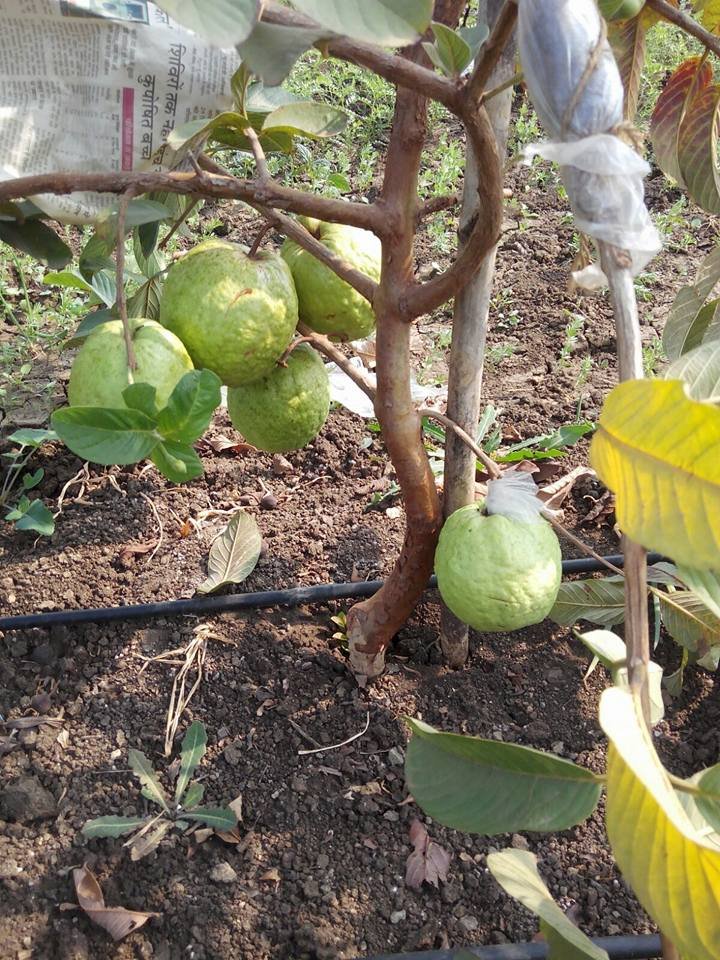
A hydro grafting chamber ensures high humidity, stable temperature, and minimal stress.
✔️ Ideal Conditions
- Humidity: 85–95%
- Temperature: 25–28°C
- Light: 12–16 hours of indirect sunlight or LED lighting
- Air circulation: Gentle airflow to prevent fungal growth
✔️ Tips
- Keep water clean and change nutrient solutions regularly.
- Avoid direct sunlight to prevent overheating.
- Mist scions every 1–2 hours for optimal hydration.
🌿 Step 5: Aftercare and Hardening
Once the graft has taken (usually 2–3 weeks), the plant must be acclimatized before planting in soil.
✔️ Steps for Hardening
- Gradually reduce humidity and misting.
- Expose plants to indirect sunlight initially, then gradually to full sun.
- Ensure the root system is well-developed before transplanting.
- Water with diluted nutrient solution to strengthen roots.
✔️ Transplanting
- Transplant into well-drained soil with rich organic matter.
- Avoid waterlogging, which can harm young grafted plants.
- Use mulch to conserve moisture and reduce stress.
🌟 Step 6: Common Challenges and Solutions
❌ Graft Failure
- Cause: Poor cambium contact or low humidity
- Solution: Ensure proper alignment and maintain hydro chamber conditions
❌ Fungal Infection
- Cause: Overly wet conditions or stagnant air
- Solution: Improve ventilation and apply mild fungicides if necessary
❌ Scion Wilting
- Cause: Insufficient hydration or temperature stress
- Solution: Mist frequently and maintain 25–28°C
❌ Rootstock Growth Outpacing Scion
- Cause: High nutrient concentration
- Solution: Adjust nutrient levels and prune rootstock if necessary
🍈 Step 7: Advantages of Hydro Grafting Over Traditional Methods
| Aspect | Hydro Grafting | Traditional Grafting |
|---|---|---|
| Success Rate | 90–95% | 70–80% |
| Time to Establish | 3–4 weeks | 6–8 weeks |
| Disease Risk | Low (soil-free) | Higher (soil-borne) |
| Uniformity | High | Moderate |
| Root Development | Strong, fibrous | Slower |
Hydro grafting ensures that commercial nurseries can produce large quantities of uniform, high-quality guava plants quickly, meeting market demand efficiently.
🌳 Step 8: Future Prospects of Hydro Grafted Guavas
Hydro grafting is not only suitable for guava but also adaptable to mangoes, citrus, and other high-value fruit crops. Its benefits include:
- Faster commercialization of new varieties
- Disease-free planting material for export markets
- Reduced reliance on pesticides
- Sustainable and resource-efficient propagation
With increasing demand for high-quality, uniform guavas, hydro grafting represents the future of modern horticulture.
🌟 Conclusion: Why Hydro Grafting Is a Game-Changer
Hydro grafting guavas combines the science of plant physiology with modern horticultural techniques to produce disease-free, high-yield, and uniform plants. By adopting this method, growers can:
- Reduce grafting time and labor
- Improve plant health and fruit quality
- Ensure consistent production of elite varieties
- Contribute to sustainable and profitable guava cultivation
For small growers and commercial nurseries alike, hydro grafting offers a reliable, high-tech solution to meet market demands while ensuring long-term orchard productivity.
Embrace hydro grafting today, and watch your guava plants thrive like never before! 🍈🌱