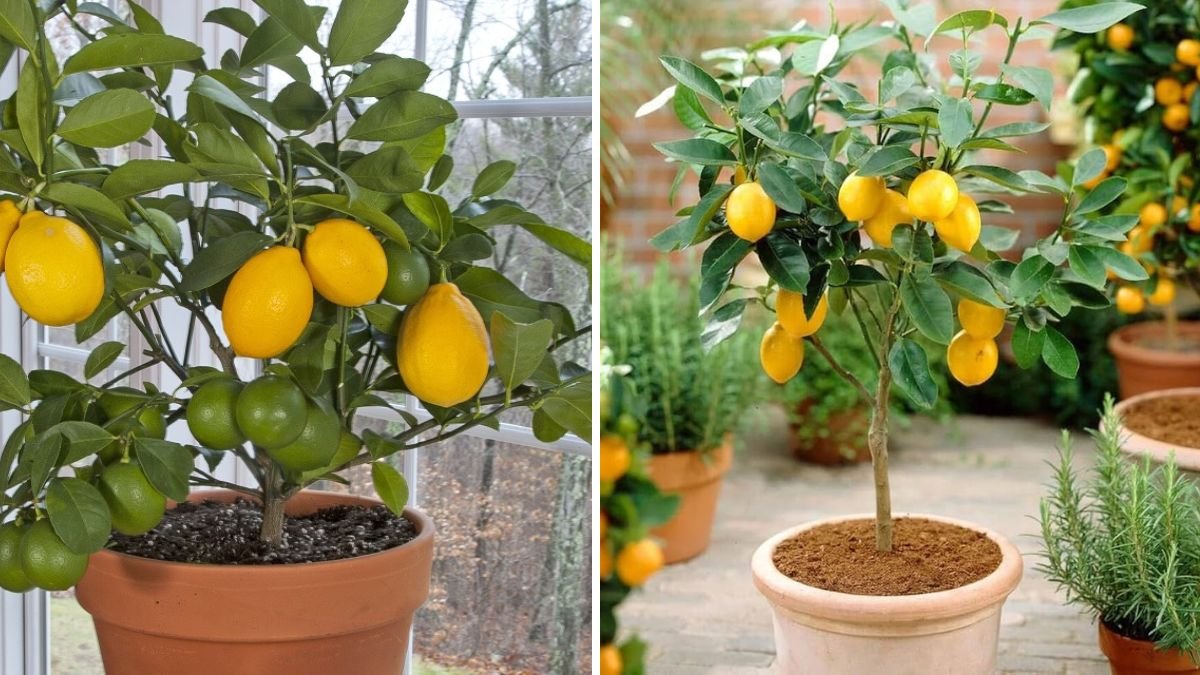
Growing a sweet lemon tree (also known as mosambi or sweet lime) is one of the most rewarding gardening experiences you can enjoy. Not only does the plant fill your home or garden with a refreshing citrus aroma, but it also gifts you with juicy, low-acid, delicious fruits that brighten your kitchen all year long. Whether you’re a beginner or a seasoned gardener, sweet lemons are surprisingly easy to grow—when you know the right techniques.
In this detailed 1200-word guide, you’ll learn everything you need to successfully grow a sweet lemon tree at home—from choosing seeds or saplings to caring for the plant until it fruits. Let’s begin your sweet lemon journey!
🍋 Why Grow a Sweet Lemon Tree?
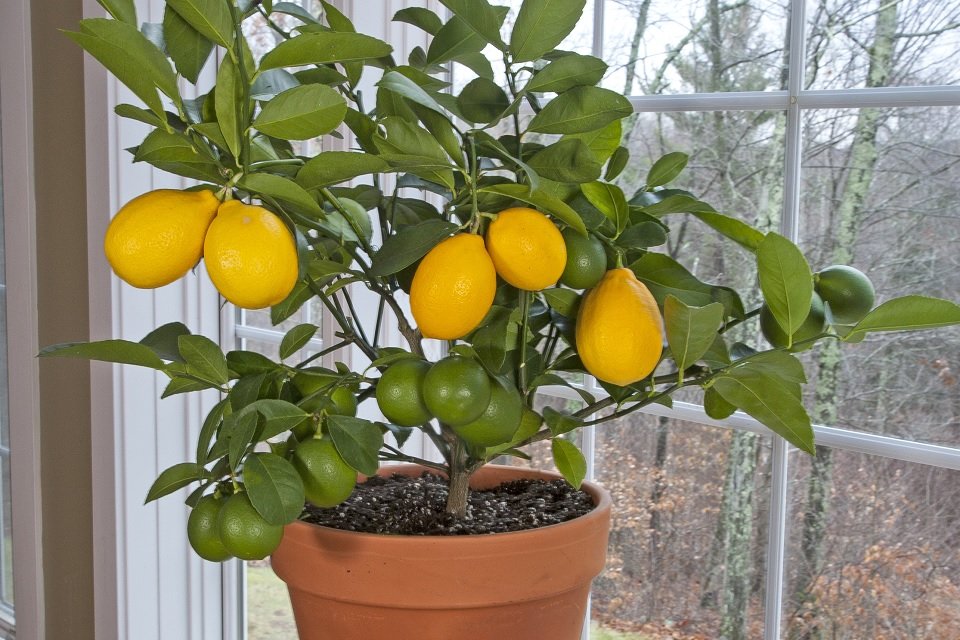
Sweet lemon is a favorite among home gardeners because:
- It grows quickly with minimal care
- It thrives in pots as well as gardens
- It produces fragrant white flowers that attract pollinators
- The fruits are packed with vitamin C and are gentle on the stomach
- One mature tree can produce dozens of fruits annually
Plus, citrus trees add charm, freshness, and life to any home.
🌱 Step 1: Choosing Your Sweet Lemon Plant – Seeds or Saplings?

You can start your sweet lemon journey in two ways:
Option A: Growing From Seeds
This is simple but takes longer (4–5 years to fruit).
Steps:
- Choose seeds from a ripe, healthy sweet lemon.
- Wash off any pulp so they don’t rot.
- Soak in lukewarm water for 12 hours.
- Plant in small pots filled with light, well-draining soil.
- Keep moist until they sprout, usually in 2–4 weeks.
Option B: Buying a Grafted Sapling (Recommended)
A grafted plant fruits faster—within 1.5–2 years.
Look for:
- A healthy green stem
- Fresh leaves without yellow spots
- A strong graft joint
- No signs of pests
Tip: If your goal is to enjoy fruits sooner, always choose a grafted sapling.
🪴 Step 2: Preparing the Best Pot & Soil Mix
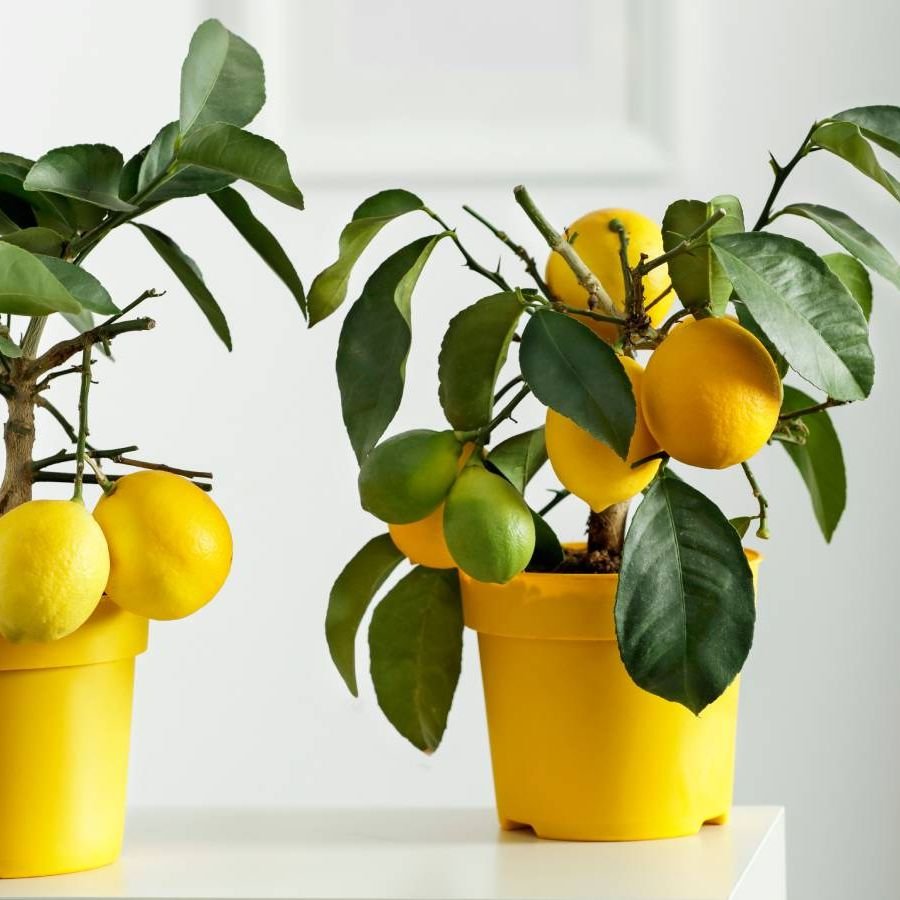
Sweet lemon trees need airy, nutrient-rich soil and space for their roots.
Best Pot Size:
- Start with a 12-inch pot
- Shift to a 16–18-inch pot as the plant grows
- Ensure large drainage holes
Perfect Soil Mix (Highly Recommended):
- 40% garden soil
- 30% compost or cow dung manure
- 20% sand (for drainage)
- 10% coco peat
Add a handful of neem cake powder to prevent fungus and pests.
🌞 Step 3: Finding the Ideal Location
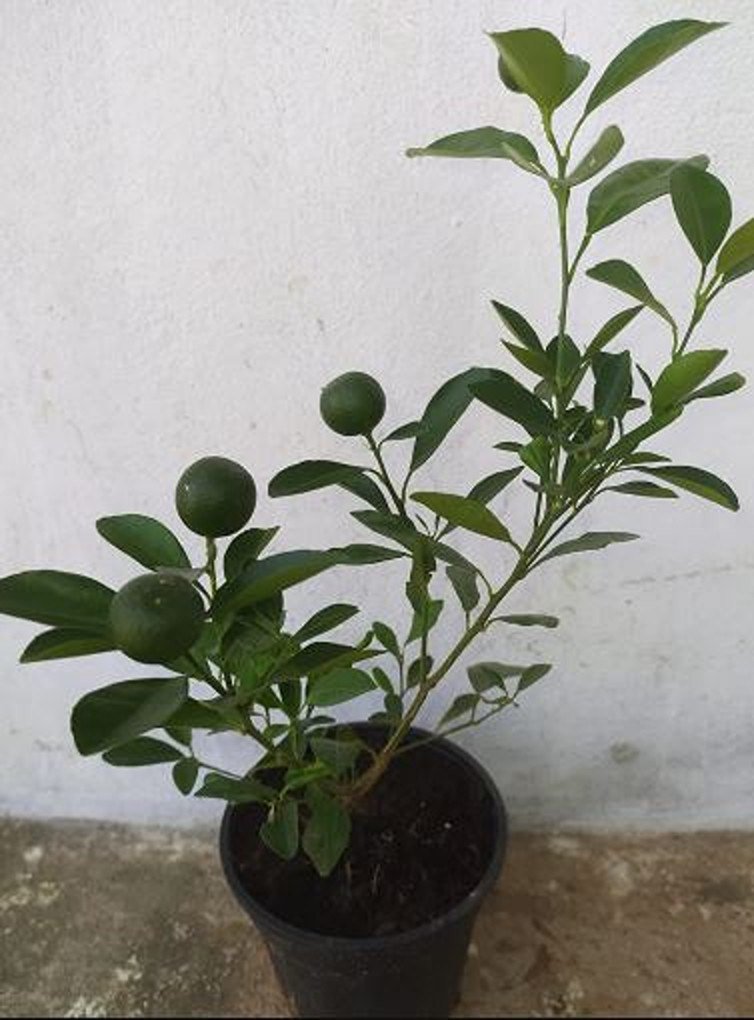
Sweet lemon trees love sunlight more than most plants.
Sunlight Requirements:
- 6–8 hours of direct sunlight daily
- A south-facing balcony, terrace, or open garden is ideal
Without proper sunlight:
❌ Leaves turn pale
❌ Flower drop increases
❌ Fruit production decreases
If indoors, place near a large window or use a grow light.
💧 Step 4: Watering the Right Way
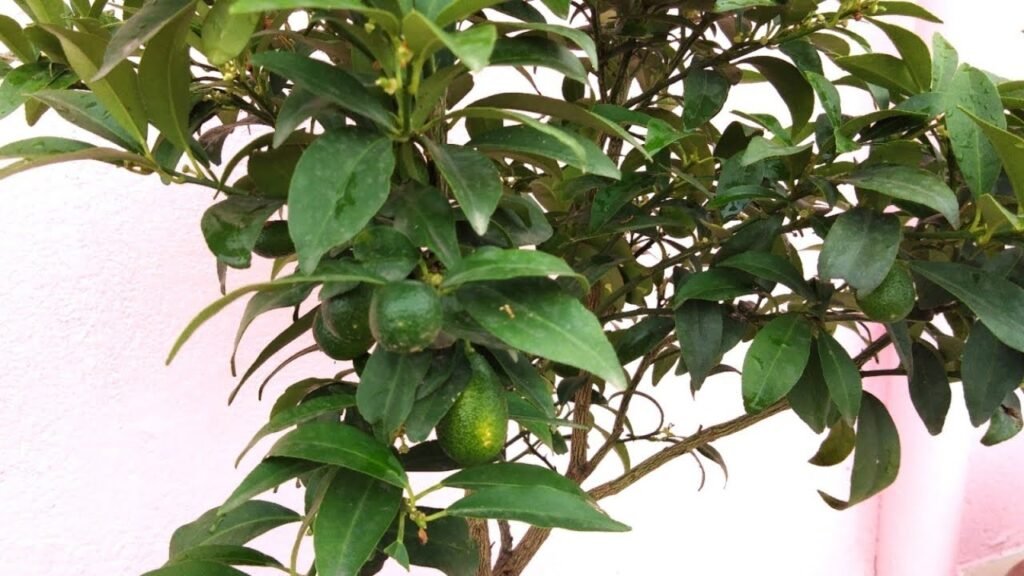
Citrus trees dislike overwatering. The trick is to keep the soil moist—but not soggy.
Watering Guide:
- Water deeply 2–3 times a week in summer
- Water once a week in winter
- Always allow the topsoil to dry before watering again
Avoid waterlogging to prevent root rot.
🍃 Step 5: Feeding Your Sweet Lemon Tree
For juicy fruits and strong growth, your sweet lemon plant needs regular feeding.
Fertilizing Schedule:
Every 30 Days:
- 2–3 handfuls of vermicompost OR
- 200g well-rotted cow dung manure
Every 45 Days:
- 2 tablespoons mustard cake fertilizer (soaked in water overnight)
Every 60 Days:
- Add 1 teaspoon potash for better flowering and fruiting
Organic Tip:
Spray seaweed extract once every month for lush leaves and stronger roots.
🪴 Step 6: Pruning for Shape, Health & Fruit Production
Pruning helps your sweet lemon plant:
✔ Stay compact
✔ Grow new branches
✔ Produce more fruits
✔ Improve air circulation
How to Prune:
- Remove dry, weak, or crossing branches
- Trim the top 20–30% during early spring
- Cut suckers growing from below the graft point
Proper pruning encourages fresh growth where fruits can develop.
🌼 Step 7: Flowering & Fruiting Care
Sweet lemon trees usually flower during:
- Spring (Feb–April)
- Monsoon (July–August)
To Boost Flowering:
- Reduce watering slightly
- Add potash or banana peel fertilizer
- Ensure full sunlight
- Avoid moving the plant during flowering
Fruit Setting Tips:
- Don’t overfeed nitrogen
- Keep the plant stable (no shaking)
- Spray Epsom salt (1 tsp/liter) once a month
- Water regularly but lightly
A healthy plant can give you 20–40 fruits annually once mature.
🐛 Step 8: Protecting Your Plant From Pests
Common pests:
- Aphids
- Leaf miners
- Mealybugs
- Whiteflies
Organic Pest-Control Sprays:
1. Neem Oil (Weekly):
- Mix 5 ml neem oil + few drops of liquid soap + 1 liter water
2. Garlic/Chili Spray:
Repels insects naturally.
3. Sticky Yellow Traps:
Useful for whiteflies and leaf miners.
Tip: Spray early morning or after sunset.
🌿 Step 9: Harvesting Your Sweet Lemons
Your sweet lemons are ready to harvest when:
✔ The skin turns light yellow
✔ They feel heavy and juicy
✔ The fruit gives a mild citrus fragrance
Never pluck them early—they won’t ripen off the tree!
Use clean pruning shears to avoid damaging the fruiting branches.
🌟 Final Tips for Guaranteed Success
🌱 Rotate the pot every 15 days for even growth
💧 Use rainwater for watering if possible
☀️ Don’t grow in full shade
🪴 Repot every 2–3 years to refresh soil
🍊 Mulch the topsoil to keep roots cool
🍋 Final Thoughts: Your Homegrown Sweet Lemon Tree
Growing a sweet lemon tree is easier than most people believe. With sunlight, the right soil, timely watering, and a bit of organic nutrition, your tree can flourish and bless your home with fragrant blossoms and delicious fruits.
Whether you keep it on your terrace, balcony, or backyard, this evergreen tree becomes a lifelong companion—offering beauty, health, and the pride of harvesting your own citrus.
If you want the next article on “How to Grow Orange Trees / Lemon Trees / Pomelo / Grapefruit at Home”, just tell me!