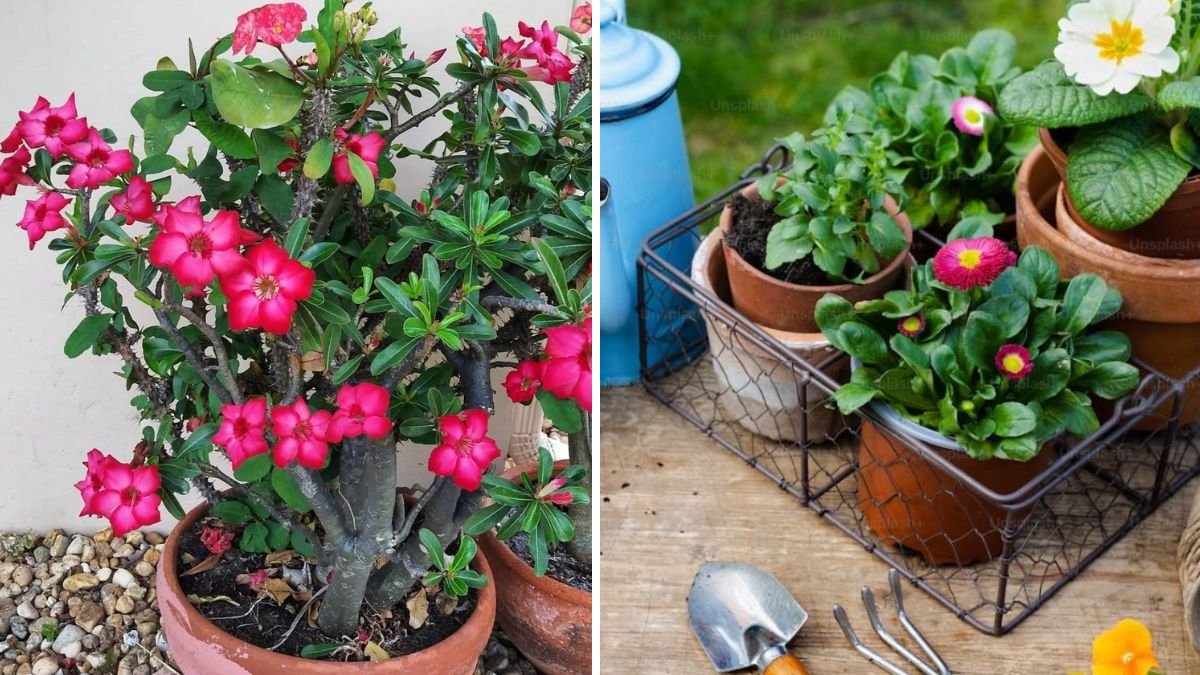
Flower grafting is one of the most fascinating gardening techniques—an art form where science meets creativity. Imagine growing two different flower varieties on the same plant, creating unique color combinations, or saving your favorite flower from dying by grafting it onto a stronger rootstock. This is the magic of flower grafting, a skill that every passionate gardener can learn.
In this comprehensive 1200-word guide, we’ll explore what flower grafting is, why it’s so powerful, and how you can start practicing this beautiful horticultural craft at home.
🌼 Introduction: The Beauty and Power of Flower Grafting
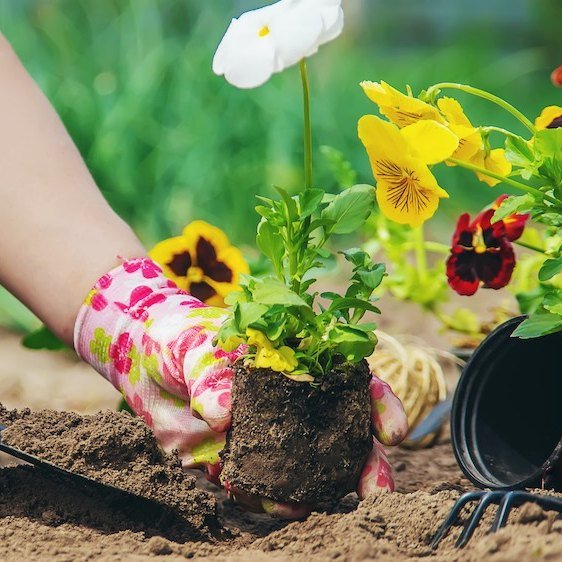
Flower grafting is the technique of joining two plant parts so they grow as one. Usually, a strong, disease-resistant plant serves as the rootstock, while the desired flower variety becomes the scion. When joined correctly, the scion and rootstock fuse and grow into a single healthy plant.
This technique allows gardeners to:
- Combine different flower colors on one plant
- Revive weak or damaged plants
- Increase flowering
- Grow rare or sensitive varieties more easily
- Speed up growth and bloom time
It’s not just gardening—it’s plant artistry. And once you learn it, your garden will never be the same again.
🌷 Why Gardeners Love Flower Grafting
Before we get into the how-to, it’s important to understand why flower grafting is so popular worldwide.
✅ 1. Create Multi-Colored Plants
Imagine a single rose plant blooming in red, yellow, pink, and white.
Or a hibiscus with multiple shades of flowers on one stem.
Grafting makes this possible—and surprisingly easy!
✅ 2. Save Your Favorite Plants
If a plant gets damaged or infected at the base, grafting its healthy branches onto a strong rootstock can save it.
✅ 3. Faster Growth & More Flowers
Grafted plants often produce blooms much earlier than those grown from seeds.
✅ 4. Grow Delicate Flowers in Tough Climates
Using a hardy rootstock means even sensitive flower varieties can grow in extreme weather.
✅ 5. Unique Garden Designs
You can craft stunning floral displays that no store can ever match.
🌹 Best Flowers for Grafting

While many flowers can be grafted, some varieties graft exceptionally well:
🌸 1. Roses
The most commonly grafted flowers—roses respond beautifully to grafting.
🌺 2. Hibiscus
Perfect for creating multi-color hibiscus trees.
🌼 3. Bougainvillea
Different colored bracts can be combined on one strong rootstock.
🌻 4. Chrysanthemums
Used widely in ornamental gardening.
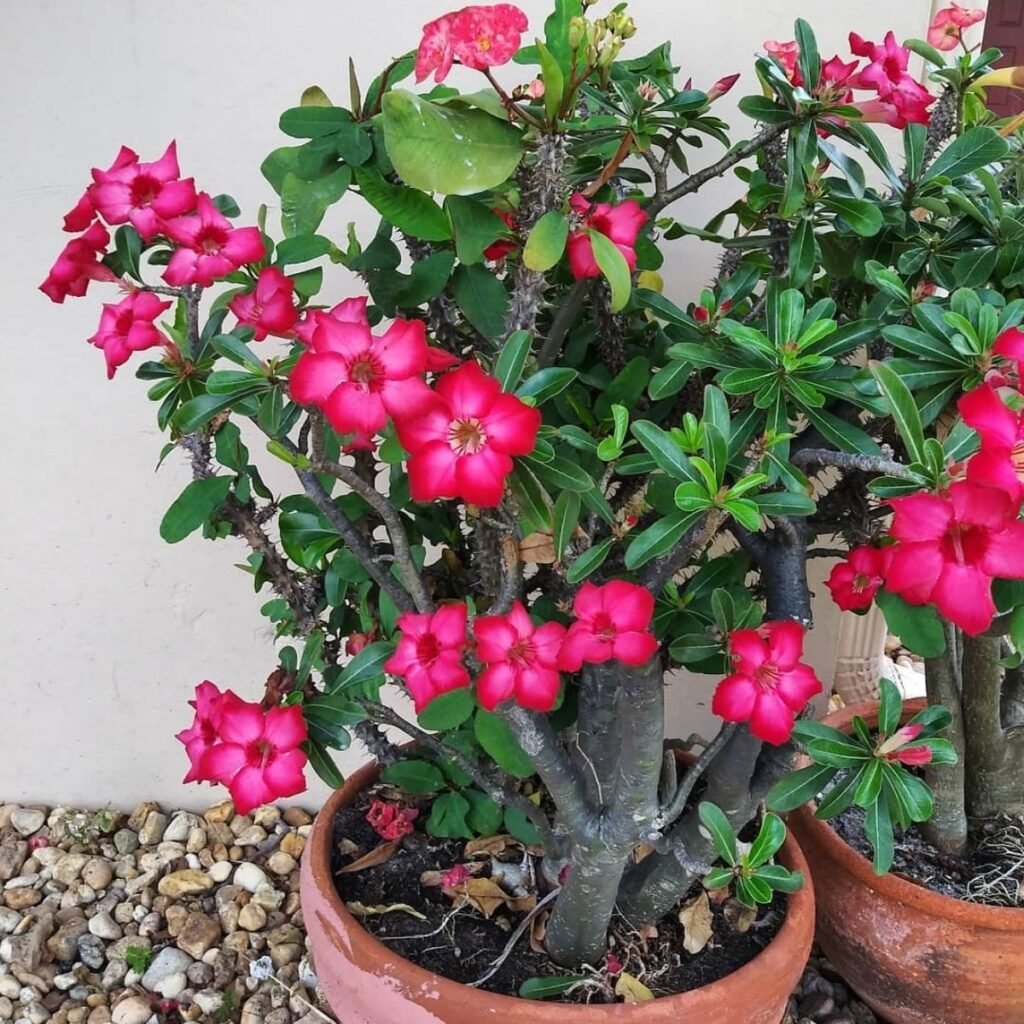
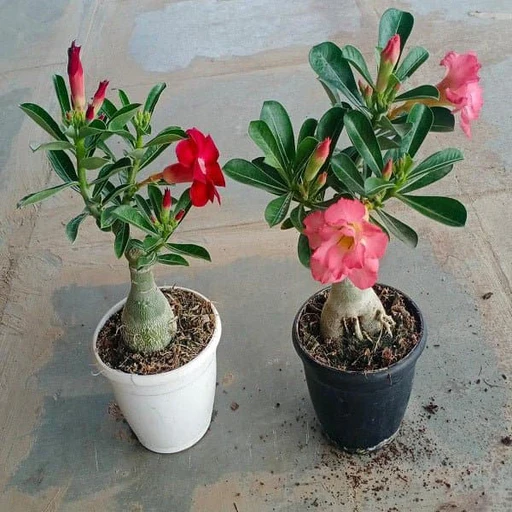
🌷 5. Adenium (Desert Rose)
Grafting improves flowering and strengthens the plant.
If you’re a beginner, roses and hibiscus are the best place to start.
🌿 Tools You Need for Flower Grafting
You don’t need expensive equipment. Here’s a simple starter kit:
- Sharp grafting knife or blade
- Pruning shears
- Grafting tape or plastic strip
- Alcohol/sanitizer to sterilize tools
- Rubber bands (optional)
- Rootstock plant
- Scion buds or branch
Keeping your tools clean is extremely important. Sterilization prevents diseases from entering the graft.
🌱 How to Graft Flowers: Step-by-Step Guide
Below is a beginner-friendly approach suitable for roses, hibiscus, and many other flowers.
🔸 Step 1: Choose the Right Time
The best seasons for grafting flowers are:
- Late winter
- Early spring
- Early monsoon
During these periods, plant sap flow is ideal for healing and fusion.
🔸 Step 2: Prepare the Rootstock
Choose a healthy, disease-free plant with:
- Strong stems
- Good rooting
- No pest infections
Cut a branch of the rootstock where the graft will be placed—usually 10–15 cm above soil level.
🔸 Step 3: Prepare the Scion
The scion should be:
- From a healthy plant
- 10–12 cm long
- Containing at least 2–3 buds
- Neither too young nor too woody
Remove leaves but keep the buds intact.
🔸 Step 4: Make the Grafting Cut
Different techniques work, but the simplest for beginners is the cleft graft.
- Split the rootstock branch down the middle (2–3 cm deep).
- Cut the base of the scion into a wedge shape.
- Insert the wedge-shaped scion into the split rootstock so that the cambium layers align.
Tip: Cambium (the green inner layer) alignment is key to graft success.
🔸 Step 5: Wrap and Seal
Use grafting tape to tightly wrap the joint.
Make sure:
- No air enters
- The scion stays firmly in place
- The graft area is protected from water and pests
🔸 Step 6: Provide Aftercare
This is where most grafts fail. Proper aftercare is essential.
Care Tips:
- Keep the plant in partial shade for 10–15 days
- Water only at the base, not on the graft
- Protect from wind and direct harsh sunlight
- Do not disturb or touch the graft point
After 2–3 weeks, if the scion remains green and the buds start swelling, the graft is successful.
🌸 Popular Flower Grafting Methods
You can experiment with different methods once you’re confident.
💠 1. Cleft Grafting
Best for beginners; simple and effective.
💠 2. Bud Grafting (T-budding)
Ideal for roses, producing high success rates.
💠 3. Side Grafting
Used for hibiscus and bougainvillea.
💠 4. Approach Grafting
Useful when both plants are still rooted.
💠 5. Veneer Grafting
Perfect for delicate flower varieties.
Each method has unique benefits, and with practice, you can master them all.
🌼 Common Mistakes to Avoid
Even experienced gardeners sometimes make these errors:
❌ Using an infected or weak scion
❌ Poor cambium alignment
❌ Wrapping too tightly or too loosely
❌ Overwatering after grafting
❌ Attempting grafting in extreme weather
❌ Touching the graft site repeatedly
A little patience and careful handling go a long way.
🌷 How Long Does It Take for Flower Grafts to Grow?
Generally:
- Bud swelling begins: 2–3 weeks
- New leaf growth: 4–5 weeks
- Strong establishment: 2–3 months
- Full blooming: 3–6 months depending on flower type
Roses and hibiscus grow fastest, while bougainvillea takes slightly longer.
🌻 Transform Your Garden with Flower Grafting
Flower grafting is more than a gardening trick—it’s a way to express creativity and make your garden unique. From multi-colored rose bushes to strong hybrid hibiscus plants, grafting opens up endless possibilities.
Whether you’re a hobby gardener or someone dreaming of a vibrant floral landscape, grafting helps you:
✨ Grow exotic varieties
✨ Save time
✨ Create personalized plants
✨ Beautify your garden like never before
With the right tools, a little practice, and this guide by your side, you’ll be amazed by the results you can achieve.
🌸 Final Thoughts
Flower grafting may seem complicated at first, but once you understand the basics, it becomes an enjoyable and rewarding gardening technique. Start small, experiment with different methods, and soon you’ll be creating stunning grafted flower combinations that will leave everyone amazed.