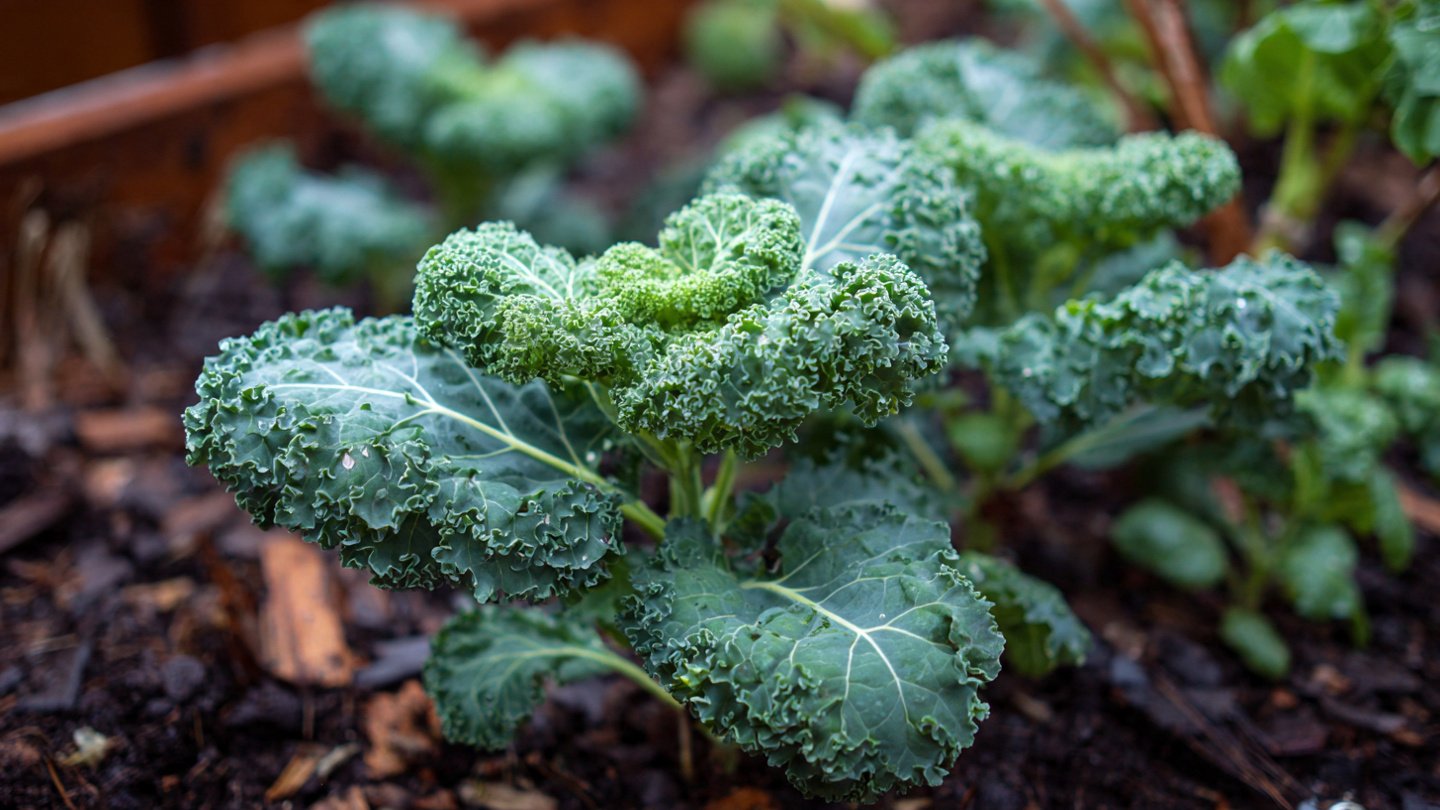
Kale has emerged as a powerhouse vegetable renowned for its nutritional benefits and versatility in the culinary world. As urban gardening continues to gain momentum, many gardening enthusiasts are looking for ways to cultivate kale in limited spaces. This article dives into the most effective techniques for growing compact kale plants, catering specifically to those with small gardens or patio areas.
Understanding Kale Varieties
Before diving into growing techniques, it’s crucial to understand the types of kale available. The primary varieties include:
- Curly Kale: Characterized by its frilled leaves, this variety is the most common and widely used.
- Lacinato Kale: Also known as Dinosaur Kale, this variety has dark blue-green leaves with a slightly more delicate texture and a unique flavor profile.
- Red Russian Kale: With its stunning purplish leaves and more tender texture, this variety is great for salads.
For small spaces, focusing on compact varieties or quicker-growing types will yield better results.
Best Practices for Growing Kale in Small Spaces
1. Choose the Right Container
Container gardening is an excellent way to grow kale in limited space. When selecting containers:
-
Size: Opt for containers that are at least 12 inches deep and wide to accommodate kale root systems. For multiple plants, a larger container (e.g., 24-inch pots) will provide better results.
-
Material: Clay and plastic pots are popular choices because they provide good insulation for the roots. Ensure the containers have drainage holes to prevent waterlogging.
2. Soil Selection
Kale thrives in nutrient-rich, well-draining soil. A high-quality potting mix supplemented with compost will provide the necessary nutrients. Consider the following:
-
pH Level: Kale prefers a slightly acidic to neutral pH (6.0 to 7.0). Test your soil if you’re unsure and amend as necessary.
-
Organic Matter: Incorporating organic matter improves drainage and moisture retention, crucial for compact spaces where soil tends to dry out faster.
3. Optimal Planting Time
Timing is crucial for successful kale growth:
-
Season: Kale thrives in cool weather. The best time to plant is in early spring or late summer/early fall, depending on your climate zone.
-
Direct Sowing vs. Transplanting: For those with longer growing seasons, you may choose to start seeds directly in the container or transplant seedlings for an earlier harvest.
4. Sunlight Requirements
Kale requires a minimum of 6 hours of sunlight per day. If space is limited, consider the following tips:
-
Vertical Gardening: Use vertical garden systems or stackable planters to maximize sunlight exposure, allowing each plant to receive ample light.
-
Rotating Plants: If you have the ability to change the position of your containers, do so based on the sun’s movement throughout the day.
5. Watering Techniques
Kale needs consistent moisture, but the key is to avoid waterlogging:
-
Watering Schedule: Monitor your plants and water when the top inch of soil feels dry. Ensure deep watering to encourage a strong root system.
-
Mulching: Applying a layer of organic mulch can help retain moisture and regulate soil temperature.
6. Nutrient Management
To keep your kale plants healthy, be mindful of nutrient application:
-
Fertilization: Use a balanced organic fertilizer every month to supplement nutrients. Liquid fertilizers work well in container settings for faster absorption.
-
Monitor for Deficiencies: Watch for yellowing leaves, which can indicate nitrogen deficiency. Address issues promptly to maintain plant health.
7. Pest Management
Kale can attract pests like aphids, cabbage worms, and flea beetles. Implement these strategies to protect your plants:
-
Natural Predators: Encourage beneficial insects like ladybugs and lacewings to keep pest populations down.
-
Companion Planting: Plant garlic or marigolds nearby to deter pests.
-
Organic Sprays: Use neem oil or insecticidal soap as a preventive measure or for active infestations.
8. Harvesting Techniques
Kale is a cut-and-come-again crop, meaning you can harvest leaves multiple times throughout its growing cycle:
-
Selective Harvesting: Pick the outer leaves first, allowing the inner leaves to continue growing. This technique not only prolongs the harvest period but also keeps the plant healthy.
-
Timing: Harvest before the plant bolts to ensure the best flavor. The leaves taste sweetest after a light frost.
Designing Your Small Space Garden
When growing compact kale in small areas, consider implementing these design strategies:
-
Raised Beds: If you have a little more space, building a raised bed enables better soil control and improved drainage.
-
Vertical Elements: Incorporate wall-mounted planters or hanging baskets to maximize growing space. You can even grow kale on trellises to create an appealing wall of greenery.
-
Grouping Plants: Designate a specific area for your kale plants near companion plants to attract pollinators and beneficial insects.
Frequently Asked Questions (FAQs)
1. How much kale can I grow in a small space?
Depending on your container size, you can grow several kale plants in as little as 2 square feet. In a 12-inch pot, you can comfortably fit 1-2 plants, while a larger 24-inch pot can accommodate 3-4 plants.
2. Can I grow kale indoors?
Yes, kale can be grown indoors if it receives sufficient light. A south-facing window or grow lights can provide the necessary conditions for healthy growth.
3. What is the best way to prevent pests?
Using a combination of natural predators, organic sprays, and companion planting can help mitigate pest issues effectively.
4. When is the best time to start harvesting kale?
Kale can be harvested 55-75 days after sowing, depending on the variety. Start harvesting when the leaves are large enough to eat but still tender, and continue to pick multiple times throughout the season.
5. What are the signs of overwatering?
Signs of overwatering include yellowing leaves, wilting despite moist soil, and root rot. Ensure proper drainage and allow the soil to dry slightly between waterings.
6. Is kale a winter crop?
Yes, kale is a hardy vegetable that can survive freezing temperatures, making it an excellent choice for fall and winter gardens in many climates.
Conclusion
Growing compact kale in small spaces is not only feasible; it’s immensely rewarding. By selecting the right containers, understanding soil requirements, and employing effective gardening techniques, you can enjoy a bountiful kale harvest even in the most limited areas. With proper care, compact kale plants can provide nutritious greens for your table while enhancing the aesthetic of your living space. Happy gardening!