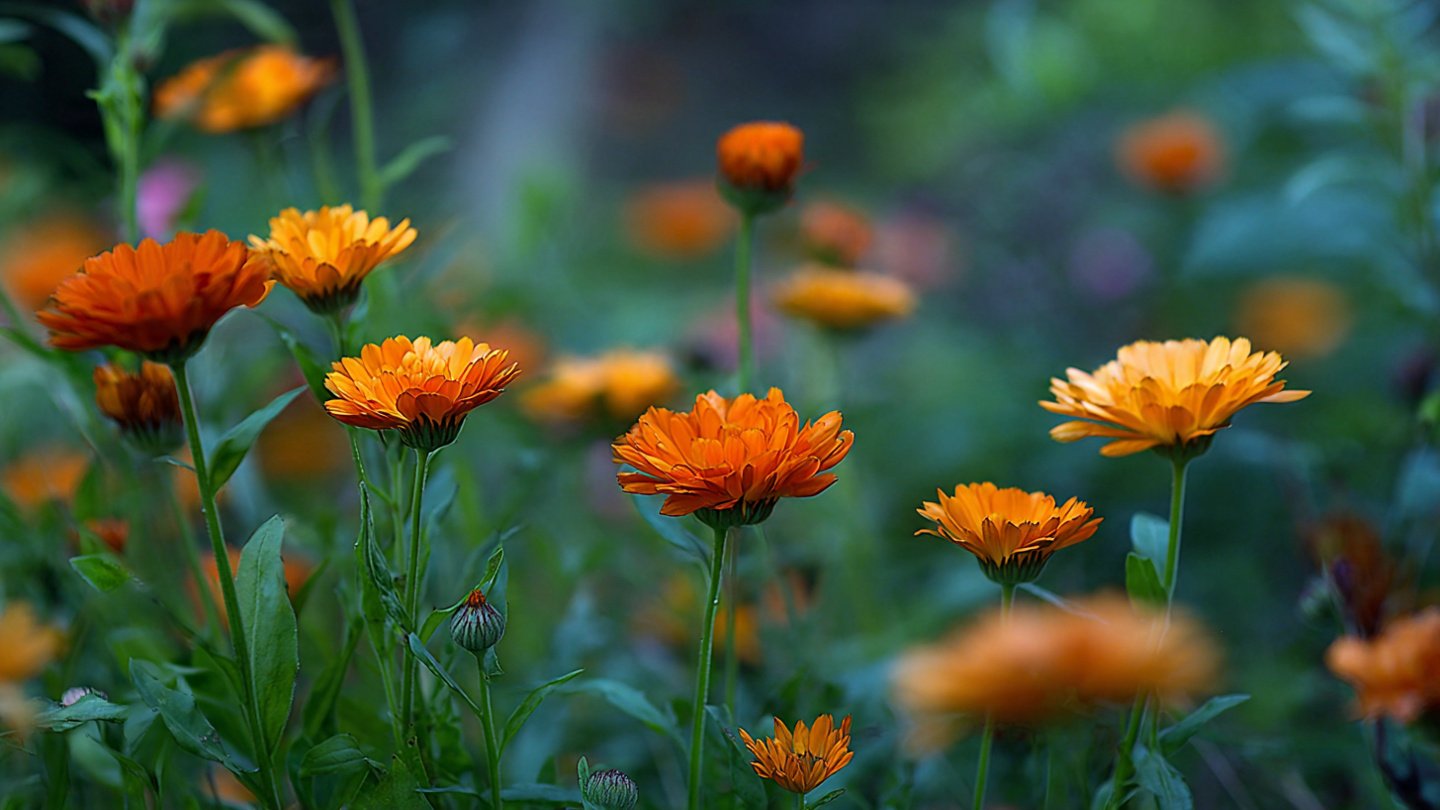
Calendula, commonly known as pot marigold, is a delightful annual flower that is not only aesthetically pleasing but also easy to cultivate. With its vibrant orange and yellow blooms, Calendula can brighten up any garden and is often sought after for its medicinal properties and culinary uses. In this comprehensive guide, we’ll cover everything you need to know to successfully grow Calendula in your garden, from planting to maintenance and beyond.
Understanding Calendula
Botanical Characteristics
Calendula belongs to the Asteraceae family and is scientifically classified as Calendula officinalis. This resilient plant can grow up to 24 inches tall, with a bushy habit. The flowers have a daisy-like appearance with vibrant, single or double-layer petals, making them a popular choice for ornamental gardens. In addition to their beauty, Calendula blooms have been valued for centuries in herbal medicine.
Varieties of Calendula
There are several popular varieties of Calendula, including:
- Calendula officinalis: The most common type, featuring sunny yellow to deep orange flowers.
- Calendula ‘Noble Ruffled Orange’: Known for its frilled petals and vibrant color.
- Calendula ‘Pot Marigold’: This is a traditional variety used in herbal remedies.
Benefits of Growing Calendula
- Attracts Pollinators: Calendula blooms attract bees, butterflies, and other beneficial insects, enhancing biodiversity in your garden.
- Companion Plant: These flowers can repel pests and improve the health of nearby plants when planted together.
- Medicinal Properties: Calendula has anti-inflammatory and antiseptic properties and can be used to make ointments and teas.
- Culinary Uses: Petals can be used to add color and flavor to salads, soups, and herbal teas.
Preparing to Plant Calendula
Selecting a Location
Choose a sunny spot in your garden, as Calendula thrives in full sunlight, needing at least 6 hours of direct sunlight daily. The plants prefer well-draining soil; avoid areas where water tends to pool, as excessive moisture can lead to root rot.
Soil Requirements
Calendula adapts well to a variety of soil types but prefers:
- pH Level: Slightly acidic to neutral (pH 6.0 to 7.0).
- Soil Type: Loamy or sandy soils are ideal, enriched with organic matter. You can improve soil quality by adding compost or well-rotted manure.
Planting Time
The best time to sow Calendula seeds is in early spring or fall. In milder climates, you can also plant in the winter. For a continuous bloom, stagger your plantings every few weeks.
How to Plant Calendula
Starting from Seeds
- Choose Your Seeds: Purchase quality Calendula seeds from a reputable supplier.
- Seed Preparation: Soaking seeds in water for a few hours before planting can lead to quicker germination.
- Sowing Seeds:
- Direct Sowing: Sow seeds directly into the garden bed about 1/4 to 1/2 inch deep. Space them approximately 12 inches apart.
- Starting Indoors: If starting seeds indoors, plant them in seed trays about 6-8 weeks before the last expected frost. Transplant them outdoors when they are sturdy enough and the danger of frost has passed.
Transplanting
If you started seeds indoors, carefully transplant seedlings into the prepared garden bed. Ensure to handle them gently and avoid disturbing the roots.
Care and Maintenance
Watering
Calendula prefers evenly moist soil but do not overwater. Water thoroughly but allow the top inch of soil to dry between watering to prevent root rot. During extremely hot weather, more frequent watering may be necessary.
Fertilization
While Calendula isn’t heavy feeder, applying a balanced fertilizer once or twice during the growing season can promote healthy growth and more plentiful blooms. A diluted liquid fertilizer or compost tea will work well.
Pruning and Deadheading
Regular deadheading (removing spent flowers) encourages an extended blooming period. This not only keeps your plant looking tidy but prevents the plant from going to seed prematurely. Pruning back leggy growth also encourages bushier plants.
Pest and Disease Management
Calendula is generally pest-resistant, but keep an eye out for aphids and spider mites. If you notice these pests, treat them with insecticidal soap or neem oil. Additionally, proper spacing and air circulation can help prevent fungal diseases, such as powdery mildew.
Harvesting Calendula
When to Harvest
You can begin harvesting Calendula flowers once they are fully open. The best time to pick is in the morning after the dew has evaporated but before the heat of the day.
How to Harvest
Use scissors or garden snips to cut the flowers just above a leaf. This method allows for new blooms to develop in their place.
Drying Calendula Flowers
To preserve your blooms for medicinal or culinary uses, dry them by hanging them in small bunches in a warm, dark, dry area. Ensure good air circulation to prevent mold growth. Once dried, store flowers in airtight containers away from light.
Creating a Beautiful Calendula Display
Planting Combinations
Calendula can be combined with various herbs and flowers to create a vibrant mixed garden. Good companion plants include:
- Basil: Enhances flavor and can repel pests.
- Nasturtiums: Attracts beneficial insects and promotes biodiversity.
- Zinnias: Their bright colors complement the warm hues of Calendula.
Container Gardening
Calendula works wonderfully in containers, allowing those with limited garden space to enjoy these cheerful blooms. Select a pot with good drainage and use a quality potting mix.
FAQs about Calendula Cultivation
Q1: Can I grow Calendula from cuttings?
No, Calendula is typically grown from seeds. They do not root well from cuttings.
Q2: How long do Calendula blooms last?
Calendula flowers can last several weeks, and with proper care and deadheading, they can continue to bloom throughout the growing season, typically from early spring to late fall.
Q3: Is Calendula edible?
Yes! Calendula petals are edible and can be used in salads, as garnishes, or to add color to dishes. They have a slightly peppery flavor.
Q4: What is the best way to prevent pests?
Encourage beneficial insects by planting a diverse range of flowers and herbs. You can also use organic pest control methods, such as neem oil, when necessary.
Q5: Can I plant Calendula in the shade?
Calendula prefers full sun; however, they can tolerate partial shade. Flowering may be less productive in shadier areas.
Q6: How do I store dried Calendula flowers?
Store dried flowers in an airtight container in a cool, dark place to retain their potency and vibrancy.
Q7: Can I save Calendula seeds for next year?
Absolutely! Allow a few flowers to go to seed at the end of the growing season. Collect the seeds once they are dry and store them in a cool, dark place until next planting season.
Conclusion
Cultivating vibrant Calendula blooms in your garden is straightforward and rewarding. With their hardy nature and myriad benefits, they are a fantastic choice for both novice and experienced gardeners. Following this guide will help you successfully grow these cheerful flowers, contributing to a beautiful and bountiful garden. Happy gardening!