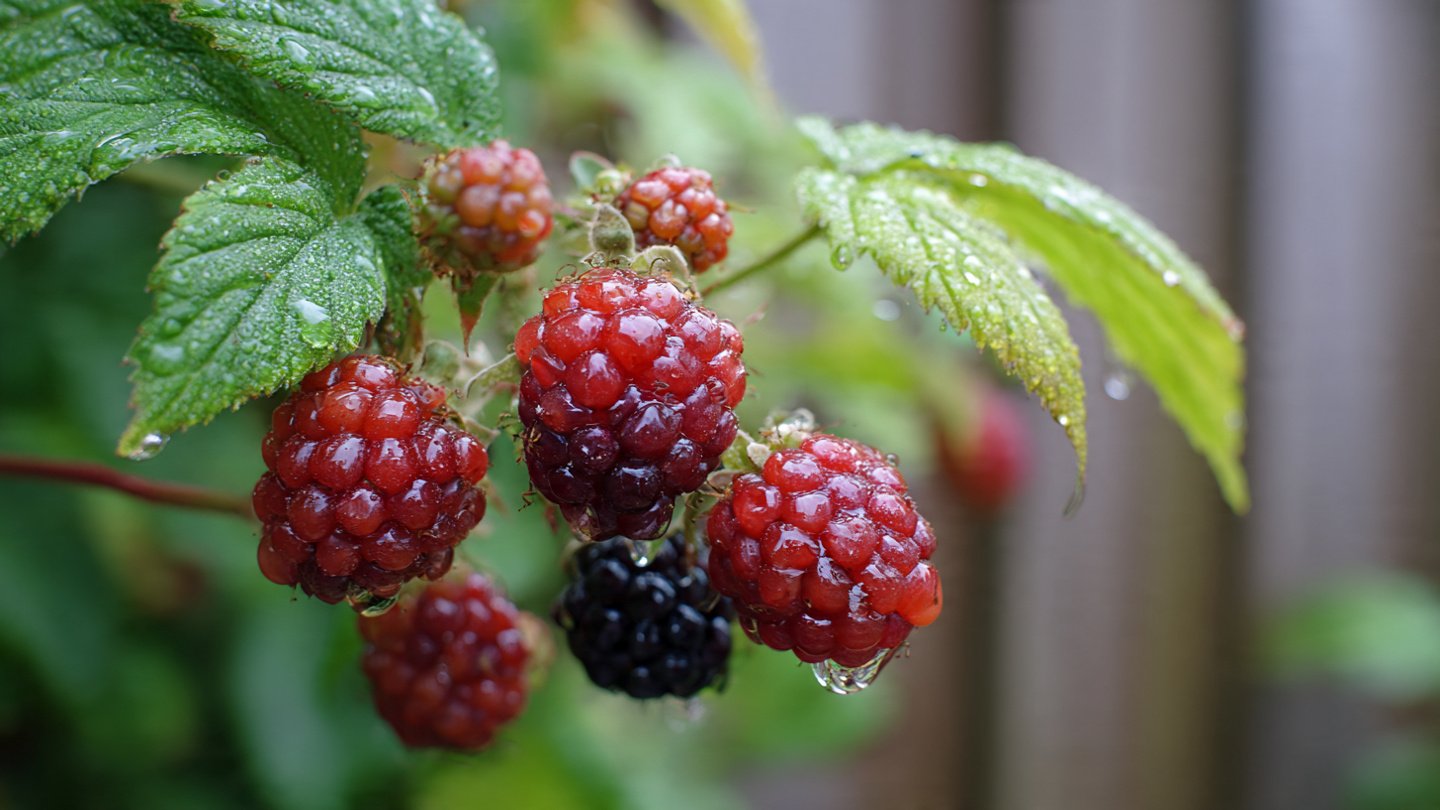
Growing blackberries from cuttings can be a rewarding and straightforward process for both novice and experienced gardeners. Blackberry bushes are not only hardy and productive but also provide delicious fruits that are great for desserts, jams, and smoothies. This guide will walk you through the steps to successfully propagate blackberries from cuttings and care for your plants, ensuring a bountiful harvest.
Understanding Blackberries
Blackberries (Rubus fruticosus) are perennial shrubs belonging to the Rosaceae family, which includes other fruits like raspberries and strawberries. They are adaptable plants that can thrive in a range of soil types and growing conditions, making them ideal for home gardens.
Choosing the Right Variety
Before you start propagating, it’s essential to select the appropriate variety of blackberry. Common types include:
- Erect Blackberries: These varieties grow upright and require less support.
- Trailing Blackberries: These grow longer canes that benefit from trellising.
- Dewberries: Similar to blackberries but smaller and often need less care.
For beginners, erect blackberries might be the best choice due to their easier management and lower maintenance needs.
Materials Needed
To propagate blackberries from cuttings, gather the following materials:
- Healthy parent plant
- Sharp, clean pruning shears
- Potting soil or well-draining garden soil
- Rooting hormone (optional)
- Pots or trays for planting
- Water
- Plastic bags or clear containers (for humidity)
Step-by-Step Guide to Growing Blackberries from Cuttings
1. Take the Cuttings
Timing
The best time to take cuttings is in late winter or early spring when the plant is still dormant but starting to show signs of growth.
Method
- Select a Healthy Cane: Choose a healthy parent plant and look for canes that are about one year old. These should be firm, healthy, and free from diseases.
- Cutting Length: Use sharp, clean pruning shears to cut sections of the cane that are 4-6 inches long. Each cutting should have at least 2-3 nodes (the bumps on the cane where leaves grow).
- Angle the Cut: Make the cut cleanly just below a node at a 45-degree angle to maximize surface area and promote rooting.
2. Prepare the Cuttings
Remove Leaves
Remove any leaves from the lower half of the cutting to reduce moisture loss and encourage rooting.
Optional: Apply Rooting Hormone
Dip the cut end of the cutting into rooting hormone. While not strictly necessary, this can help promote faster root development.
3. Plant the Cuttings
Choose the Right Soil
You can use a mix of potting soil and sand to ensure good drainage. Planting in pots allows for easier management, though you can also plant directly in the ground.
Planting
- Fill your pots or trays with the prepared soil.
- Make a hole in the soil with a pencil or finger and insert the cutting into the hole.
- Firm the soil around the cutting and water it well, ensuring the soil is damp but not soggy.
4. Create Humidity
To encourage rooting, it’s vital to maintain a humid environment:
- Cover the pots with plastic bags or place them in clear containers to trap moisture.
- Make sure the bags or containers do not touch the cuttings directly. This can be done by using small stakes or a wire frame.
5. Watering and Placement
- Watering: Keep the soil moist but avoid overwatering. Check regularly and water as needed.
- Light: Place the cuttings in a bright location, but avoid direct sunlight, which can scorch them.
6. Watching for Roots
Within a few weeks to a couple of months, you should see roots starting to develop. You can check this by gently tugging the cutting; if there’s resistance, roots are forming.
7. Transplanting
Once the cuttings have developed a strong root system (typically around 4-6 weeks), you can transplant them into larger pots or into the garden.
Timing for Transplanting
This process is best done in late spring or early summer when the danger of frost has passed, and the soil is warm.
Transplanting Process
- Prepare your garden bed or larger pots.
- Dig a hole for each cutting, making sure it’s deep enough for the roots.
- Gently remove the cutting from its original pot and place it in the new hole.
- Fill in with soil and water the plant thoroughly.
8. Caring for Your Blackberry Plants
Once you’ve transplanted your blackberry cuttings, it’s important to familiarize yourself with their care requirements:
Watering
Regular watering is crucial, especially during dry spells. Aim for about an inch of water per week.
Pruning
In late winter or early spring, prune any dead or unhealthy canes before the growing season begins.
Fertilizing
Use a balanced fertilizer in early spring to give your plants the nutrients they need to thrive.
Support
As your blackberry plants grow, they may require support. Use trellises or cages for trailing varieties.
Pest and Disease Management
Keep an eye out for common pests like aphids, beetles, and spider mites. Regularly inspect your plants and treat any infestations with appropriate organic pesticides or insecticidal soap.
FAQs
1. Can I grow blackberries in containers?
Yes, blackberries can be successfully grown in containers. Choose a large pot (at least 5 gallons) filled with well-draining soil and ensure you provide sufficient support for the plants.
2. How long does it take for blackberry cuttings to root?
Typically, blackberry cuttings take about 4-6 weeks to develop roots. Conditions such as temperature and humidity can affect this timeline.
3. What is the best soil mix for blackberry cuttings?
A mix of potting soil and perlite or sand ensures good drainage and aeration, which is vital for root development.
4. How do I know when to harvest my blackberries?
Blackberries are usually ready to harvest when they are fully dark, plump, and easily detach from the plant. Harvesting in the morning often yields the best-tasting fruit.
5. Can I grow blackberries from store-bought fruit?
It is not recommended to grow blackberries from store-bought fruit as they may not produce viable seeds. Propagation from live plants or cuttings is more reliable.
6. Do blackberries need full sun?
Yes, blackberries thrive in full sun. Aim for at least 6-8 hours of sunlight each day.
7. How often should I fertilize my blackberry plants?
Fertilize your blackberry plants in early spring and again in mid-summer with a balanced fertilizer. Be careful not to over-fertilize, as this can lead to excessive foliage growth with fewer fruits.
In conclusion, growing blackberries from cuttings is an achievable and fulfilling gardening project that can yield delicious rewards. With the right care and attention, you’ll enjoy fresh blackberries for years to come!