Introduction
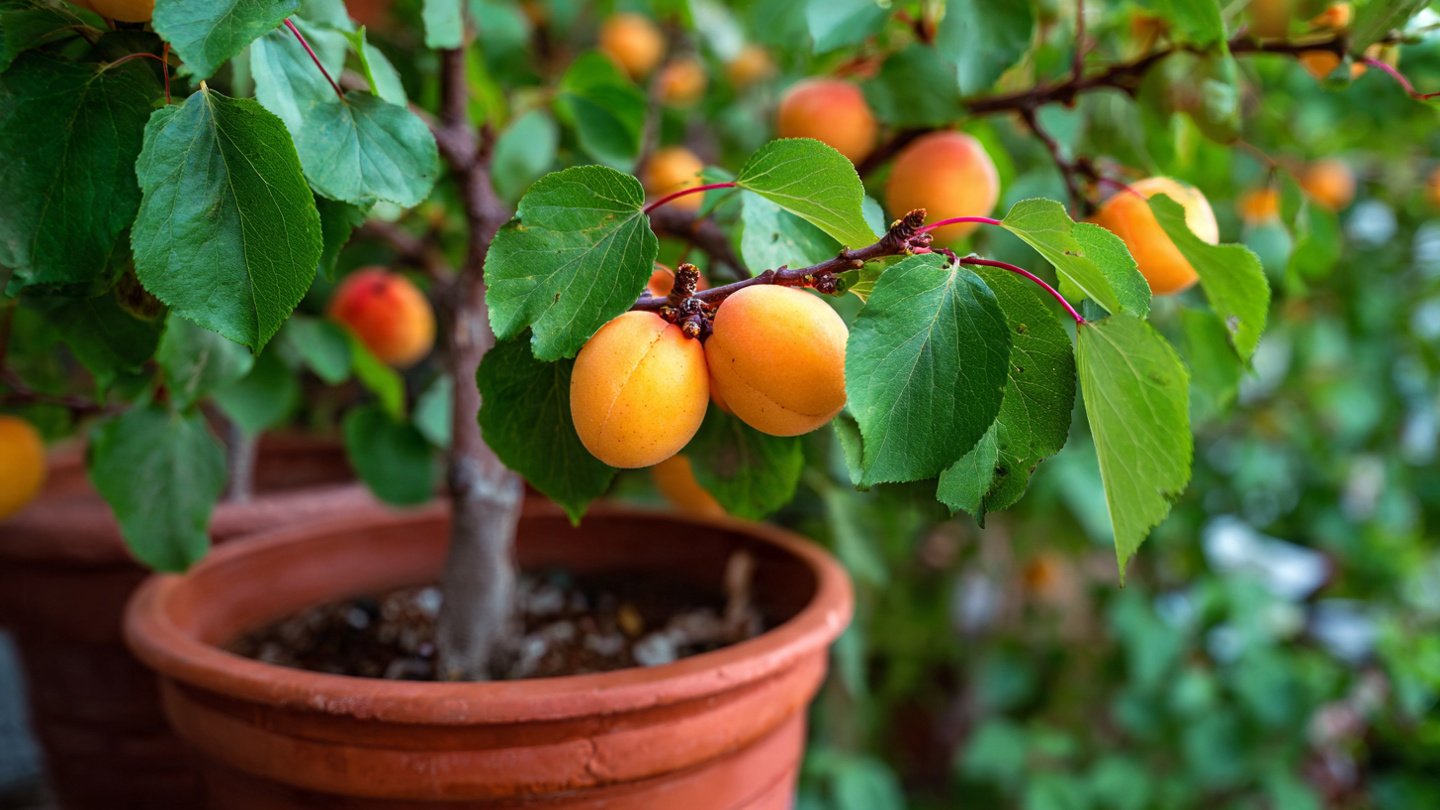
Apricots are not just delightful fruits; they symbolize the onset of summer with their sweet and juicy flesh. Propagating apricots from cuttings is a practical way to grow your own trees at home without having to purchase new plants. This guide will take you through everything you need to know about successfully propagating apricots from cuttings.
Understanding Apricot Trees
Before delving into propagation methods, it’s essential to understand apricot trees. They belong to the Rosaceae family and thrive in warm, temperate zones. Apricot trees are self-pollinating; thus, a single tree can produce fruit. They require well-drained soil, full sunlight, and regular watering.
When to Take Cuttings
The ideal time to take cuttings is during the early summer when the new growth is still soft but has matured enough to withstand the propagation process. Generally, cuttings should be taken between late May and early July.
Types of Cuttings
There are three main types of cuttings you can take to propagate apricots:
-
Softwood Cuttings: Taken from new growth, these are suitable for propagation in spring or early summer. They root more easily and are perfect for beginners.
-
Semi-Hardwood Cuttings: Taken from partially matured stems. Ideal for summer propagation.
-
Hardwood Cuttings: Obtained from dormant wood during late fall or winter. They are more challenging to root but can result in strong plants.
Gathering Materials
- Pruning Shears: A sharp pair to ensure clean cuts.
- Rooting Hormone: Optional but helpful in promoting root growth.
- Planting Medium: A mix of peat moss and perlite or a pre-made seed-starting mix.
- Pots or Containers: Small pots where you will plant your cuttings.
- Clear Plastic Bag or Cloche: To create humidity.
Step-by-Step Propagation Process
Step 1: Choose Healthy Parent Plants
Select a robust, healthy apricot tree as your source for cuttings. Avoid trees that show signs of disease or stress. The cuttings should be taken from a tree that produces desirable fruit.
Step 2: Taking Cuttings
-
Select the Cuttings: Look for young, healthy shoots about 4-6 inches long. Ideally, they should be taken from the ends of branches.
-
Make the Cuts: Use your pruning shears to make a clean cut just below a node (where leaves attach to the stem). Make a diagonal cut to maximize the surface area for root production.
-
Remove Leaves: Trim the leaves, leaving only a few at the top so that the cutting can focus energy on rooting instead of sustaining foliage.
Step 3: Preparing Cuttings
-
Dip in Rooting Hormone: Optionally, dip the cut end of the cutting in rooting hormone to promote root development.
-
Prepare the Potting Medium: Fill your pots with a well-draining growing medium. A mixture of peat and perlite works well. Moisten the mix slightly before inserting the cuttings.
Step 4: Plant the Cuttings
-
Insert the Cuttings: Make a hole in the soil with a pencil or your finger. Insert the cutting into the hole and firm the soil around it, ensuring it stands upright.
-
Water: Give the cutting a gentle watering to settle the soil.
Step 5: Creating a Humid Environment
To promote rooting, create a humid environment around the cuttings. You can cover them with a clear plastic bag or cloche, ensuring it doesn’t touch the leaves.
Step 6: Placement
Place the pots in a location where they will receive indirect sunlight. Direct sunlight can scorch the cuttings or dry them out. A warm room with good air circulation is ideal.
Caring for Your Cuttings
-
Watering: Keep the soil moist but not soggy. Over-watering can cause rot. Checking the moisture level regularly is essential.
-
Humidity and Temperature: Maintain high humidity while gradually acclimatizing the cuttings to normal humidity levels. Remove the plastic covering for a few hours daily to let them breathe.
-
Monitor for Roots: After about 4-6 weeks, gently tug on the cuttings. If you feel resistance, roots are forming, and it’s time to prepare them for transplanting.
Transplanting Your Rooted Cuttings
Once the cuttings have rooted sufficiently and developed a strong root system, it’s time to transplant them into the garden or larger pots.
-
Choose a Suitable Location: Look for well-draining soil with full sunlight for at least 6-8 hours a day.
-
Prepare the Soil: Enrich the planting site with organic matter, like compost, to enhance soil structure and nutrient content.
-
Transplant Carefully: When moving the cuttings, be gentle to avoid damaging the roots. Plant at the same depth they were in the pots and water them immediately after transplanting.
Ongoing Care
- Watering: Continue to water regularly, especially during dry spells.
- Fertilization: Use a balanced fertilizer every 4-6 weeks during the growing season.
- Mulching: Apply mulch to retain moisture and suppress weeds.
- Pruning: Prune to shape and encourage healthy growth.
Troubleshooting Common Issues
- Cuttings Not Rooting: Check if they are getting enough moisture and if the temperature is consistent.
- Wilting Cuttings: This might indicate overexposure to sunlight or insufficient humidity.
- Diseased Cuttings: Remove and discard diseased cuttings immediately to prevent spreading.
FAQs
1. How long does it take for apricot cuttings to root?
Typically, apricot cuttings will root within 4 to 6 weeks, but it can sometimes take longer depending on conditions.
2. Can I propagate apricots from store-bought fruit?
While possible, store-bought apricots are often hybrids and might not produce the same quality fruit. It’s preferable to start from a reliable source.
3. Do I need a greenhouse to propagate apricot cuttings?
No, a simple indoor space with indirect sunlight works well. You can create a humid environment using plastic.
4. What if my cuttings turn brown?
Brown cuttings may indicate that they are failing or suffering from rot. Check the moisture levels and consider re-cutting from a healthy part of the plant.
5. Can I propagate apricots in winter?
Hardwood cuttings can be taken during dormancy in winter but are less successful than softwood or semi-hardwood cuttings.
Conclusion
Propagating apricots from cuttings is rewarding and relatively straightforward. With the right knowledge and attention to detail, you can cultivate your apricot trees right at home. Happy gardening!