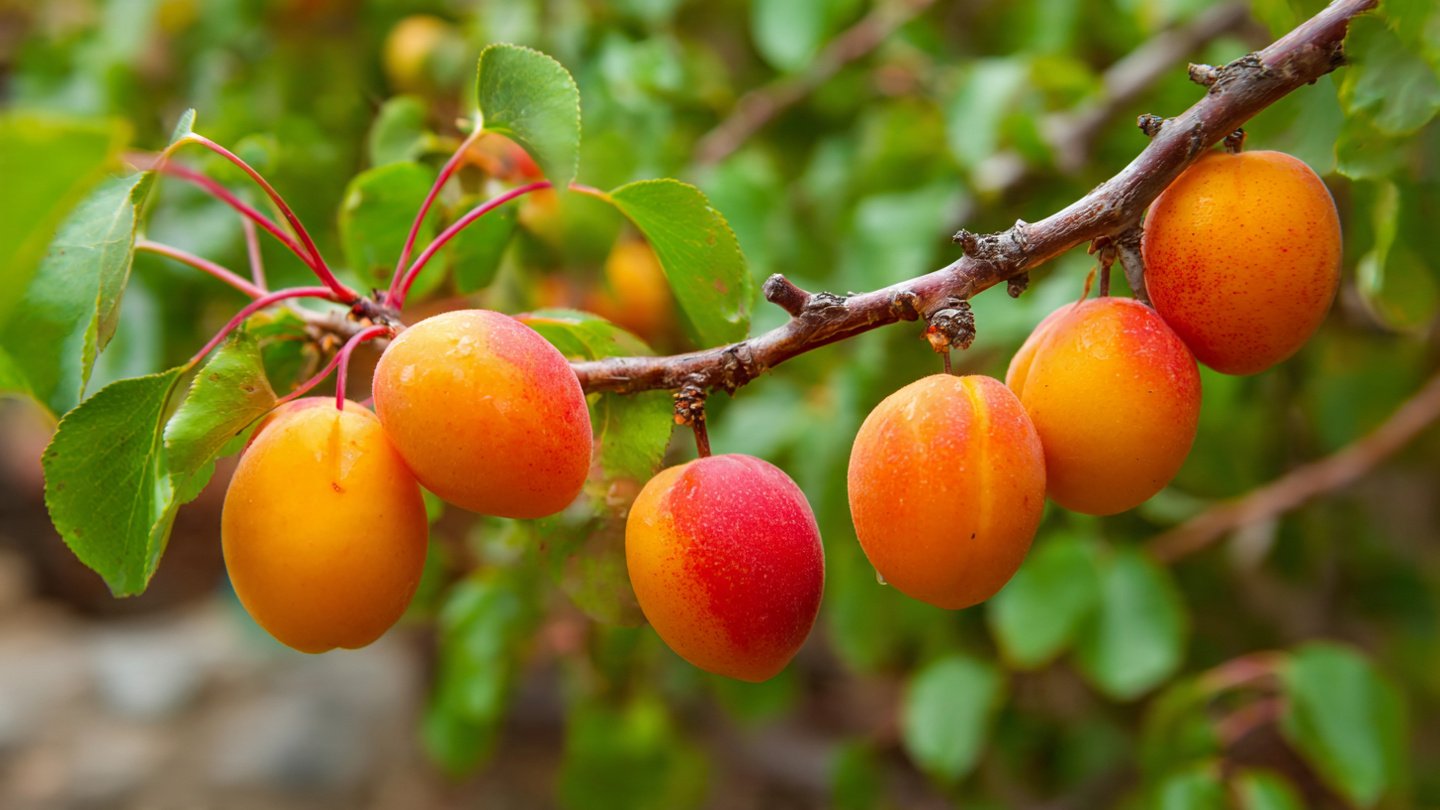
Apricots are a delicious and nutritious fruit that can elevate your backyard garden. Not only do they provide fresh, juicy fruit for your table, but growing apricots can also be a rewarding hobby. To ensure you maximize your yield and enjoy the fruits of your labor sooner, there are several secrets to growing apricots faster. This comprehensive guide will cover everything from selecting the right variety to advanced cultivation techniques, ensuring you have all the tools needed for success.
1. Selecting the Right Variety
Choosing Fast-Growing Stocks
One of the most crucial steps in growing apricots is selecting the right variety. Various apricot varieties adapt differently to climate and soil conditions. If you live in a warmer climate, look for varieties such as ‘Katy’ or ‘Tilton,’ which are known for their hardiness and quicker growth. If you’re in a cooler region, ‘Goldcot’ and ‘Harcot’ are excellent options.
Disease Resistance
In addition to growth speed, consider choosing disease-resistant varieties. This will minimize the chances of setbacks due to pests or diseases, allowing your apricots to grow faster and healthier.
2. Ideal Soil Conditions
Soil Testing
Before planting, conduct a soil test to determine pH and nutrient levels. Apricots thrive in slightly acidic to neutral soil (pH 6.0 to 7.0). Amend your soil as necessary, using lime to raise the pH or sulfur to lower it.
Drainage
Ensure your soil has excellent drainage. Apricots don’t like “wet feet,” so consider adding organic matter, sand, or perlite to improve drainage. Raised beds can also be beneficial in preventing waterlogging.
3. Proper Planting Techniques
Time Your Planting Right
The best time to plant apricot trees is in early spring after the last frost has passed or in late fall. This ensures the roots have time to establish themselves before summer heat sets in.
Spacing
Plant your apricot trees with enough space to ensure good air circulation. A spacing of 15 to 20 feet is usually recommended between trees, depending on the variety. This not only promotes quicker growth but also reduces the risk of diseases.
4. Watering Wisely
Consistent Moisture
Apricots require consistent moisture, especially during the growing season. Deep watering once a week is preferable to shallow, frequent watering. This encourages deep root growth.
Irrigation Systems
Consider installing an irrigation system, like drip irrigation, to ensure even moisture levels without overwatering. Overwatering can lead to root rot, stunting growth.
5. Fertilization Strategies
Use Balanced Fertilizers
Feed your apricot trees with a balanced fertilizer twice a year—once in early spring before new growth begins and again after the harvest. A fertilizer with equal parts nitrogen, phosphorus, and potassium (like a 10-10-10 ratio) is ideal.
Organic Options
If you prefer organic gardening, using compost or well-rotted manure during planting can provide essential nutrients while improving soil structure. You can also apply fish emulsion or seaweed extract for a natural boost.
6. Pruning Techniques
Early Pruning
Regular pruning is critical for faster growth and fruit production. Prune your apricot trees in late winter while they’re still dormant. Remove any dead or crossing branches to allow sunlight to reach all parts of the tree.
Summer Pruning
Some gardeners find that a light summer prune helps manage tree shape and energy distribution. Remove any suckers or water sprouts that appear during the growing season.
7. Pest and Disease Management
Preventive Measures
Being proactive about pest and disease management is key to ensuring healthy, fast-growing apricot trees. Use row covers during the flowering period to protect from harmful insects.
Organic Pesticides
If pests become a problem, consider using organic pesticides like neem oil or insecticidal soap. These are less harmful to beneficial insects and will help your tree thrive without the stress of pest damage.
8. Climate and Location
Full Sunlight
Apricot trees thrive in full sun, requiring at least 6 to 8 hours of sunlight each day. Choose a south-facing location if possible, as this will encourage faster fruit ripening.
Wind Protection
Protecting your apricot trees from harsh winds can also enhance growth. Consider planting windbreaks or positioning your trees close to existing barriers to reduce wind stress.
9. Timing of Harvest
Harvesting Tips
Timing your harvest can impact the taste and texture of your apricots. They should be picked when they are slightly soft to the touch and have a rich color. This usually indicates that the sugars have developed adequately.
Post-Harvesting Care
After harvest, handle apricots carefully to prevent bruising. Store them at room temperature if you plan to eat them soon, or refrigerate them to extend their shelf life.
10. Patience and Observation
Observe Growth Stages
While every technique helps speed up the growth of your apricot trees, patience is essential. Understand that every variety has its timeline, and conditions may alter growth rates.
Document Progress
Keep a gardening journal to note the growth stages of your apricot trees, the specific varieties planted, and any pest or disease issues that arise. This knowledge will help you improve your gardening practices over time.
FAQs
What is the best time to plant apricot trees?
The best time to plant apricot trees is in early spring after the last frost or in late fall. This timing allows for optimal root establishment.
How much sunlight do apricot trees need?
Apricot trees require at least 6 to 8 hours of full sunlight daily for optimal growth and fruit production.
What type of fertilizer is best for apricot trees?
A balanced fertilizer with equal parts nitrogen, phosphorus, and potassium (like a 10-10-10 ratio) is ideal. Organic options like compost can also be beneficial.
How do I know when my apricots are ripe?
Apricots are ripe when they are slightly soft to the touch and have a rich color. It’s best to harvest them at this stage for optimum flavor.
What are common pests that affect apricot trees?
Common pests include aphids, mites, and fruit flies. Regular monitoring and preventive measures, like row covers, can minimize damage.
Can I grow apricots in a container?
Yes, dwarf varieties of apricot trees can be grown in containers. Ensure your container is large enough and contains well-draining soil.
How often should I water my apricot trees?
Apricot trees require deep watering once a week during the growing season. Adjust frequency depending on rainfall and soil conditions.
What should I do if my apricot tree is not producing fruit?
If your apricot tree is not producing fruit, it could be due to insufficient sunlight, poor soil conditions, or improper pruning. Evaluate these factors and make adjustments as needed.
In conclusion, growing apricots faster in your backyard garden is achievable with the right techniques and care. By selecting suitable varieties, providing ideal soil conditions, practicing effective irrigation and fertilization, and managing pests and diseases, you’ll be on your way to a bountiful apricot harvest. Remember to exercise patience, as with all gardening endeavors, and soon enough, you’ll enjoy the sweetness of homegrown apricots. Happy gardening!