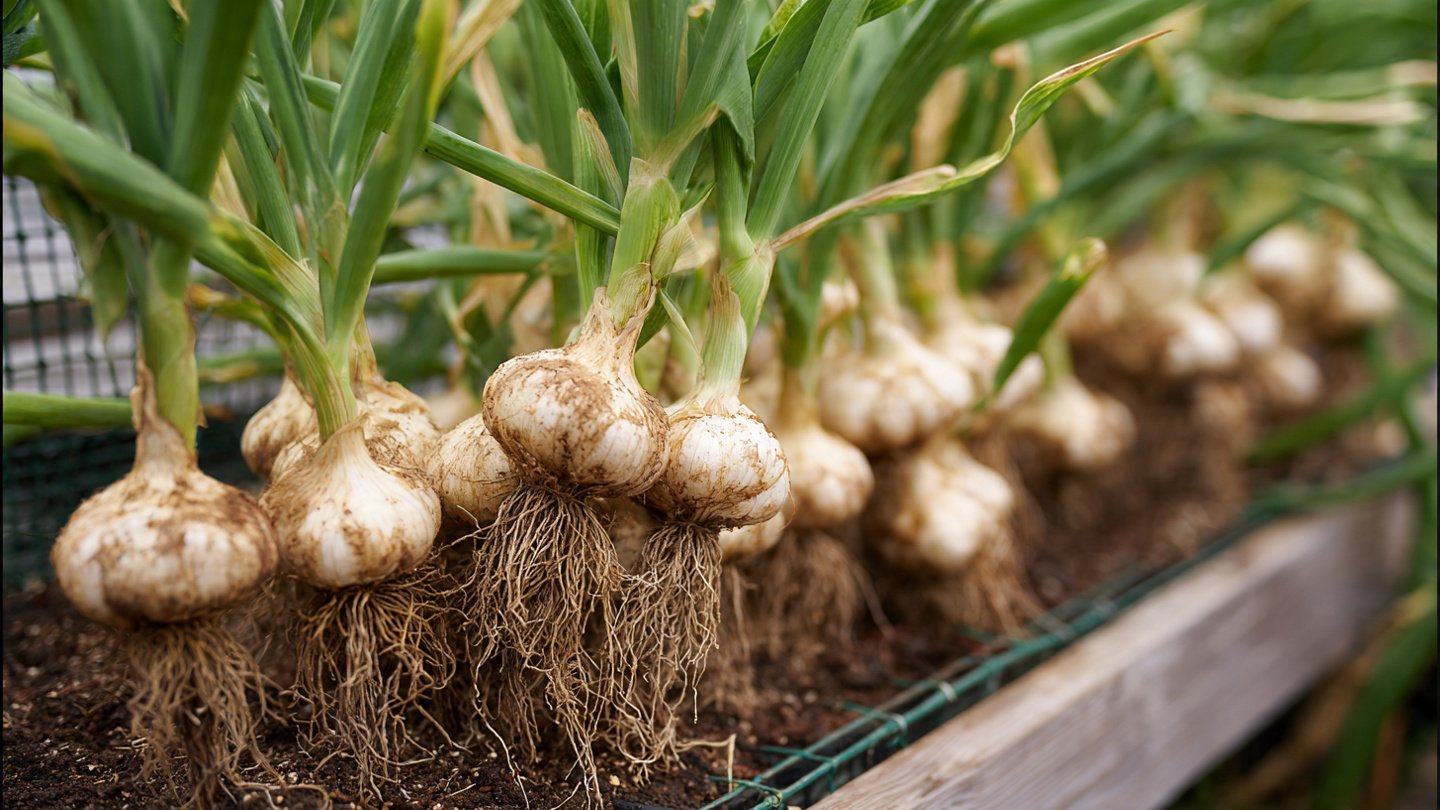
Growing elephant garlic in container gardens is a rewarding experience that yields large cloves with a unique flavor. This hardy plant, despite its name, is more closely related to leeks than traditional garlic. Its mild, sweet flavor makes it a favorite among chefs and home cooks alike. Growing it in containers has become increasingly popular, especially for those with limited garden space. This guide will walk you through the entire process—from choosing the right container to harvesting your elephant garlic—ensuring you achieve maximum yield.
1. Understanding Elephant Garlic
What is Elephant Garlic?
Elephant garlic (Allium ampeloprasum) is a variety of garlic that produces bulbs significantly larger than standard garlic (Allium sativum). Each bulb contains fewer cloves (usually about 4-6) that are also larger. This makes elephant garlic an impressive addition to both the culinary and ornamental spaces in your garden.
Benefits of Growing in Containers
Growing elephant garlic in containers offers several advantages:
- Space Efficiency: Ideal for small gardens or patios.
- Control Over Soil: You can tailor the soil type and quality.
- Pest Management: Easier to manage pests and diseases compared to traditional garden beds.
- Mobility: Containers can be moved to optimize sunlight and protect from harsh weather conditions.
2. Selecting the Right Container
Choosing the right container is crucial for the health and yield of your elephant garlic. Here are some tips:
Size
Select a container that is at least 12 inches deep and wide. Elephant garlic roots need space to grow, and deeper containers allow for better development. A 5-gallon container is often a great choice for home gardeners.
Material
Containers can be made from various materials, including plastic, clay, or wood. While clay pots are aesthetically pleasing, they can dry out quickly. Plastic pots, on the other hand, retain moisture better but may not allow for as much air circulation. Ensure that your container has adequate drainage holes.
Drainage
Good drainage is essential for preventing root rot. Ensure that your container has multiple holes at the bottom to allow excess water to escape. You can also add a layer of gravel or stones at the bottom for added drainage.
3. Preparing the Soil
Choosing the Right Soil Mix
Elephant garlic prefers well-draining, nutrient-rich soil. A mix of potting soil, compost, and perlite or vermiculite can provide the necessary nutrients while ensuring good drainage.
- Potting Soil: Forms the base of your soil mix and retains moisture.
- Compost: Adds vital nutrients and improves soil texture.
- Perlite/Vermiculite: Enhances drainage and aeration.
Soil pH
The ideal soil pH for elephant garlic is between 6.0 and 7.0. You can test your soil using a pH testing kit and adjust as necessary with lime (to increase pH) or sulfur (to decrease pH).
4. Planting Elephant Garlic
Choosing Seed Bulbs
When selecting elephant garlic bulbs for planting, look for healthy, firm bulbs with no signs of rot or disease. You can find seed bulbs at local garden centers, farmer’s markets, or online.
Planting Time
Elephant garlic is typically planted in the fall for a summer harvest. This allows the bulbs to establish strong roots during the cooler months. However, you can also plant in early spring if necessary.
Planting Process
- Preparation: Begin by separating the bulbs into individual cloves. Do this gently to avoid damaging them.
- Depth: Plant each clove (pointy side up) 2-3 inches deep in the soil.
- Spacing: Space the cloves about 6-8 inches apart. This will allow for ample growth and air circulation.
- Watering: After planting, thoroughly water the container to help settle the soil around the cloves.
5. Caring for Your Elephant Garlic
Watering
Elephant garlic requires consistent moisture but does not like to sit in water. Water the plants deeply, allowing the top inch of soil to dry out between waterings. During dry spells, you may need to water more frequently.
Fertilizing
Fertilization is key to maximizing yield. Use a balanced fertilizer high in phosphorus (like a 5-10-10 formula) after the garlic has established itself, generally in early spring. Follow the manufacturer’s instructions for application rates.
Sunlight Requirements
Elephant garlic prefers full sun, meaning it should receive at least 6-8 hours of sunlight daily. If you are growing your garlic in a shaded area, consider moving the container to a sunnier location.
Mulching
Applying a 2-3 inch layer of organic mulch (like straw or wood chips) can help retain moisture, suppress weeds, and regulate soil temperature.
6. Monitoring for Pests and Diseases
Common Pests
Keep an eye out for common pests that may affect elephant garlic, such as:
- Aphids: These small insects can weaken the plant. Use insecticidal soap or water sprays to remove them.
- Nematodes: Root nematodes can be problematic. Ensure good soil drainage and rotate crops if you’re planting in the same soil.
Diseases
Elephant garlic is relatively resilient but can be susceptible to diseases like:
- Botrytis: A fungal disease that thrives in damp conditions. Ensure good air circulation and avoid overcrowding.
- Fusarium Wilt: Can be prevented through crop rotation and maintaining healthy soil.
7. Harvesting Elephant Garlic
Signs of Maturity
Typically, elephant garlic is ready to harvest when the lower leaves begin to yellow and die back, usually in late spring to early summer, about 90-120 days after planting.
Harvesting Process
- Loosen the Soil: Use a garden fork or shovel to carefully loosen the soil around the bulbs.
- Pull the Bulbs: Gently pull the bulbs from the soil without damaging them.
- Drying: Place the harvested bulbs in a warm, dry area for 2-3 weeks to cure before storing them.
8. Storing Elephant Garlic
Once cured, store your elephant garlic in a cool, dry place. Ideal storage conditions will help maintain the flavor and prevent sprouting. Hanging the bulbs in braids or placing them in mesh bags can keep them airy and safe from moisture.
FAQs
1. Can I grow elephant garlic indoors?
Yes! As long as you provide sufficient light (preferably using grow lights), elephant garlic can thrive indoors in a container.
2. How often should I water elephant garlic?
Water deeply but infrequently. The top inch of soil should dry out between waterings, and the frequency may increase during hot, dry spells.
3. Can I eat the scapes from elephant garlic?
Absolutely! The scapes—elongated flower stalks that emerge from the bulbs—are edible and can be used in a variety of dishes. Harvest them before they curl for the best flavor.
4. Is elephant garlic the same as regular garlic?
No, elephant garlic is more closely related to leeks. While it has a milder flavor compared to traditional garlic, it’s used similarly in cooking.
5. How long does elephant garlic last in storage?
When stored properly in cool, dry conditions, elephant garlic can last for up to 6 months.
Conclusion
Growing elephant garlic in container gardens is an achievable goal for any gardener, regardless of space limitations. By following the steps outlined in this guide—from selecting the right container to caring for your plants and harvesting your bulbs—you can ensure a bountiful yield and enjoy the unique flavors of elephant garlic. Happy gardening!