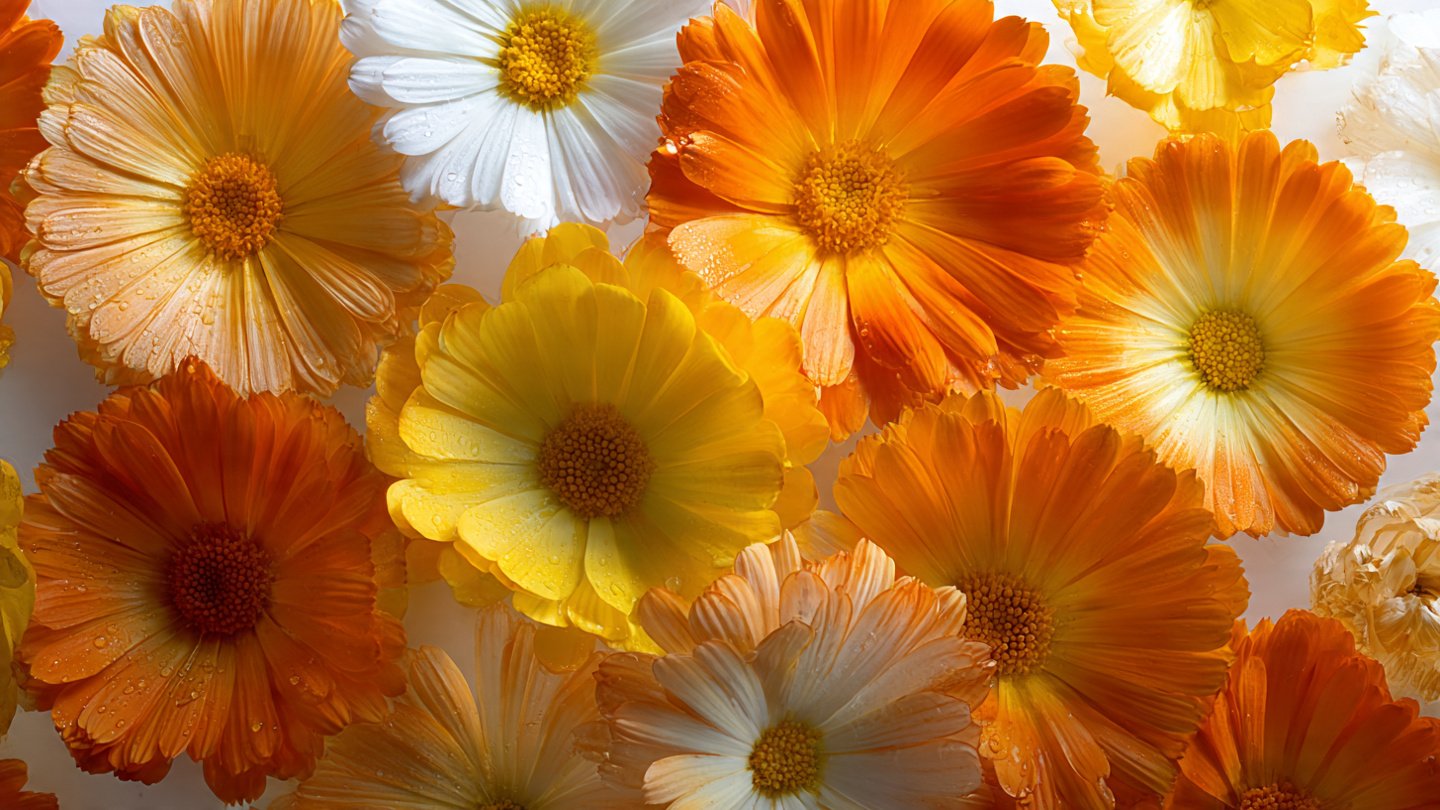
Calendula, commonly known as pot marigold, is not just a striking flower but also a powerful ally in natural healing. Its vibrant orange and yellow blooms are celebrated for their therapeutic properties and wide range of uses, from skincare to enhancing overall well-being. In this guide, we’ll explore how to successfully cultivate calendula flowers, how to harvest and use them, their health benefits, and much more.
Understanding Calendula
Botanical Overview
Calendula officinalis is a member of the Asteraceae family. The plant typically grows to about 12 to 24 inches in height, featuring bright, daisy-like flowers. It is an annual plant, which means it completes its life cycle in a single year, making it perfect for gardeners looking to enjoy quick results.
Historical Significance
Calendula has been used for centuries in traditional medicine. Ancient Egyptians valued it for its anti-inflammatory properties, while Ayurvedic practitioners in India used it to treat a variety of ailments. Today, its popularity continues as more people embrace natural remedies.
Benefits of Calendula
Calendula flowers are rich in flavonoids, antioxidants, and essential oils, all contributing to their healing properties. Here are some key benefits:
- Anti-inflammatory: Calendula is known to reduce inflammation and swelling, making it useful for treating minor burns, cuts, and skin irritations.
- Antiseptic: Its antimicrobial properties help in preventing infections, particularly in open wounds.
- Skin Health: Calendula is often used in skincare products for its soothing effects, helping conditions like eczema and acne.
- Digestive Aid: The flowers can also be used to ease digestive issues such as stomach ulcers and cramps.
- Menstrual Support: Calendula has been linked to promoting menstrual health and easing discomfort associated with menstruation.
Cultivation of Calendula
Choosing the Right Location
Calendula thrives in full sun but can tolerate partial shade. Select a well-drained spot with fertile soil. While they can adapt to various soil types, they prefer loamy or sandy soils enriched with organic matter.
Planting Calendula
-
Seeds vs. Transplants: You can start calendula from seeds or purchase young plants. Seeds are often more economical and provide a variety of flower types.
-
Timing:
- Direct Sowing: If you’re in a temperate climate, sow seeds in spring after the last frost. For warmer areas, you can also plant in late summer to provide blooms in spring.
- Indoor Start: If you plan to start indoors, do so 6-8 weeks before the last frost date.
-
Spacing: Sow seeds about 1/4 to 1/2 inch deep and space them 12 inches apart to allow for adequate airflow.
Watering and Feeding
Calendula prefers consistently moist soil but avoid waterlogging. Water the plants regularly, especially during dry spells. Once they establish, they become somewhat drought-tolerant.
In terms of feeding, a balanced, organic fertilizer can be applied every 4-6 weeks during the growing season. Avoid high-nitrogen fertilizers, which may promote leafy growth instead of flowers.
Pruning and Deadheading
Regular deadheading—removing spent flowers—encourages further blooming and prevents the plant from going to seed too early. You can also pinch back the stems to promote bushier growth.
Pest and Disease Control
Calendula is relatively pest-resistant, thanks to its natural oils. However, you should watch out for aphids and caterpillars. If pests do appear, a gentle spray of insecticidal soap can help.
To prevent diseases, ensure good airflow between plants, avoid overhead watering, and use mulch to maintain soil temperature and moisture.
Harvesting Calendula
Timing
The best time to harvest calendula flowers is just after they’ve fully opened. Early morning is ideal; flowers are most potent when harvested while dew is still present.
How to Harvest
-
Cutting Flowers: Use sharp, clean scissors or garden shears to cut the flowers, ensuring to leave some foliage for continued growth.
-
Drying: If you plan to use the flowers for medicinal purposes, they should be dried properly. Hang them in small bunches or spread them out on a dry, flat surface in a dark, well-ventilated area. Proper drying prevents mold and preserves potency.
-
Storing: Once dried, store the flowers in an airtight container, away from direct sunlight. Stainless steel or glass containers are best for maintaining freshness.
Using Calendula for Natural Healing
Creating Infusions and Oils
-
Calendula Oil: Combine dried calendula flowers with a carrier oil (such as olive or coconut oil) in a glass jar. Let it steep in a warm, sunny spot for about 2-4 weeks, shaking it occasionally. This oil can be used for massages, skincare, or as a base for ointments.
-
Herbal Infusions: Steep dried calendula flowers in hot water for teas. This infusion can be consumed for digestive benefits or beautiful skin.
-
Salves and Creams: Combine calendula oil with beeswax to create a nourishing salve or cream for topical applications.
Making Tinctures
Calendula tinctures are concentrated herbal extracts made by soaking the flowers in alcohol or vinegar. These can be used as a natural remedy for various ailments, particularly digestive issues.
Troubleshooting Common Issues
-
Leggy Plants: If your calendula is tall and spindly, it may not be getting enough sunlight. Ensure they are in a spot with full sun for at least 6-8 hours a day.
-
Poor Flowering: Ensure that the plants are not overly fertilized or stressed due to pests.
-
Fungal Diseases: If you notice yellowing leaves or spots, it may be a fungal infection—ensure proper watering practices and remove any affected foliage.
Conclusion
Calendula flowers are not just a visual delight; they offer a multitude of natural healing benefits. With their anti-inflammatory, antiseptic, and skin-soothing properties, cultivating calendula can be a rewarding endeavor. By following the guidance in this article, you can successfully grow, harvest, and utilize calendula flowers for your health and wellness.
FAQs about Cultivating Calendula
1. How long does it take for calendula seeds to germinate?
Calendula seeds typically germinate within 7 to 14 days after planting, depending on conditions like temperature and soil moisture.
2. Can calendula be grown indoors?
Yes, you can grow calendula indoors in a sunny spot or under grow lights. Ensure they receive adequate light for proper growth.
3. Is calendula safe for children?
Calendula is generally considered safe for children, but it’s always advisable to consult with a healthcare provider before introducing any herbal remedies.
4. Can I use fresh calendula flowers for medicinal purposes?
Yes, fresh calendula flowers can be used, but drying them enhances their potency and shelf life for long-term use.
5. How often should calendula be watered?
Water calendula regularly, keeping the soil moist but not soggy. Once established, they can tolerate some drought.
By taking the time to cultivate calendula flowers thoughtfully, you can enjoy their beauty and immense healing benefits—both for yourself and for your garden. Happy gardening!