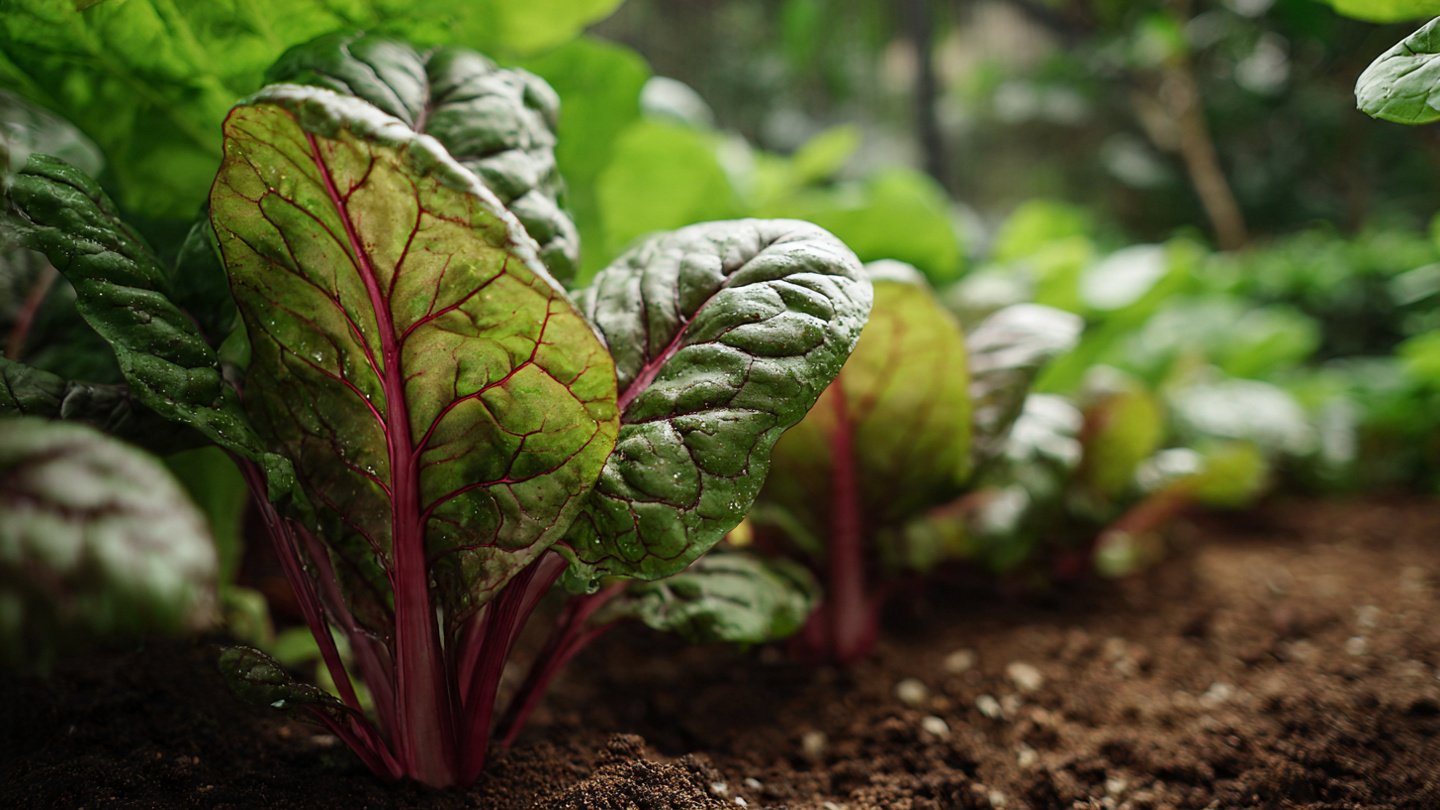
Swiss chard, a leafy green vegetable known for its colorful stems and distinctive flavor, is becoming increasingly popular in home gardens. Not only is it nutritious, but it’s also relatively easy to cultivate, making it a perfect choice for both novice and experienced gardeners. In this article, we’ll explore simple methods for growing Swiss chard in your home garden, ensuring you enjoy a bountiful harvest.
Understanding Swiss Chard
Before diving into the methods of cultivation, it’s essential to understand what Swiss chard is. Belonging to the beet family, Swiss chard (Beta vulgaris) is recognized for its large, leafy greens and vibrant stems, which range in colors from white to yellow to red. Apart from its eye-catching appearance, it is a nutritional powerhouse, rich in vitamins A, C, and K, as well as minerals like magnesium and potassium.
Why Grow Swiss Chard?
- Versatile: Swiss chard can be used in a variety of dishes, including salads, soups, and stir-fries.
- Continuous Harvest: It’s a cut-and-come-again vegetable, meaning you can harvest the outer leaves while allowing the inner ones to continue growing.
- Easy to Grow: Swiss chard thrives in various conditions, making it suitable for a wide range of garden environments.
Ideal Planting Conditions
1. Soil Requirements
Swiss chard grows best in well-draining, fertile soil. A pH level between 6.0 and 7.0 is ideal. Before planting, consider the following steps:
- Test Your Soil: Use a soil test kit to determine pH and nutrient levels, ensuring your soil has the right balance.
- Amend Your Soil: Enrich the soil with organic matter, such as compost or well-rotted manure, to improve its structure and fertility.
2. Sunlight and Temperature
Swiss chard prefers full sun, requiring at least 6 hours of direct sunlight per day. It can tolerate some shade, making it versatile for different garden landscapes.
The ideal temperature range for growing Swiss chard is between 50°F and 85°F (10°C to 29°C). It can withstand light frosts, but prolonged freezing temperatures may damage the leaves.
3. Watering Needs
Maintaining consistent moisture in the soil is vital for Swiss chard. Water regularly, ensuring the soil remains moist but not soggy. A deep watering once or twice a week is generally sufficient, depending on your climate and soil type.
Planting Swiss Chard
1. Seeds vs. Transplants
You can either start Swiss chard from seeds or purchase young plants (transplants) from a nursery. Both methods have their benefits:
- Seeds: This is a cost-effective method and allows for greater variety. Sow the seeds directly into the garden for a more natural growth.
- Transplants: These can give you a head start, especially if you’re looking to plant early in the season.
2. Sowing Seeds
If you choose to plant seeds, follow these steps:
- Timing: Sow seeds directly in the garden in early spring or late summer for a fall harvest.
- Spacing: Plant seeds about 1 inch apart, and once they sprout, thin them out to about 4 to 6 inches apart for optimal growth.
- Depth: Sow seeds about ½ inch deep.
3. Transplanting
When transplanting, ensure the following:
- Timing: Transplant when the seedlings have at least two true leaves.
- Spacing: Space transplants 12 to 18 inches apart, depending on the variety.
- Settling: When planting, ensure to cover the roots adequately and water the plants thoroughly.
Caring for Swiss Chard
1. Fertilization
To promote healthy growth, consider fertilizing your Swiss chard. Use an all-purpose vegetable fertilizer or a balanced organic fertilizer every few weeks.
2. Mulching
Applying a layer of mulch can help retain moisture, suppress weeds, and regulate soil temperature. Organic materials like straw, grass clippings, or shredded leaves work well.
3. Pest and Disease Management
Swiss chard can be susceptible to various pests and diseases. Common pests include aphids, leaf miners, and snails. To manage these issues:
- Organic Alternatives: Consider using neem oil or diatomaceous earth as natural pest control options.
- Crop Rotation: Rotating crops can help minimize disease risk.
- Companion Planting: Planting garlic or marigolds nearby can deter pests.
Harvesting Swiss Chard
1. Timing
Swiss chard can be harvested as soon as the leaves are large enough to eat, typically around 6 to 8 weeks after planting. You can begin harvesting from the outside, allowing the inner leaves to continue growing.
2. Method
When harvesting:
- Use a sharp knife or scissors to cut the leaves about 1 inch above the base.
- Only remove a few leaves at a time to encourage continued growth.
3. Post-Harvest Care
After harvesting, wash the leaves gently to remove any dirt and pests. Store them in the refrigerator in a sealed plastic bag for up to a week.
Growing Swiss Chard in Containers
If space is limited, Swiss chard can also be grown in containers. Here’s how:
1. Choosing the Right Container
- Use 5-gallon containers or larger with drainage holes.
- Fill with high-quality potting soil mixed with compost.
2. Planting in Containers
Follow the same planting guidelines—spacing seeds or transplants just as you would in the ground.
3. Care
Container-grown Swiss chard may require more frequent watering due to quicker drying out. Keep an eye on moisture levels, especially during hot weather.
FAQs
-
Can Swiss chard grow in the shade?
- While Swiss chard prefers full sun, it can tolerate partial shade. Just be aware that sunlight helps promote vibrant colors and better growth.
-
How often should I water Swiss chard?
- Water deeply once or twice a week, more frequently in hot weather. Ensure the soil is consistently moist but not waterlogged.
-
What are the best companion plants for Swiss chard?
- Good companions include beans, onions, and marigolds, which can help deter pests and improve growth.
-
How do I know when Swiss chard is ready to harvest?
- Harvest Swiss chard once the leaves are large enough to eat, generally when they’re 6 to 8 inches tall. Take care to cut the outer leaves, allowing younger ones to continue growing.
-
Is Swiss chard a perennial plant?
- Swiss chard is typically grown as an annual, but in mild climates, it may survive as a short-lived perennial.
-
Can I grow Swiss chard indoors?
- Yes! With sufficient light (grow lights if necessary) and the right container, Swiss chard can be successfully grown indoors.
Conclusion
Cultivating Swiss chard in your home garden can be a rewarding experience, offering an abundance of fresh greens packed with nutrients. With simple methods for planting, caring for, and harvesting this versatile vegetable, you can enjoy delicious home-cooked meals while enhancing the beauty of your garden. Whether you have a sprawling backyard or a small balcony, Swiss chard is a fantastic addition to your gardening repertoire. Happy gardening!