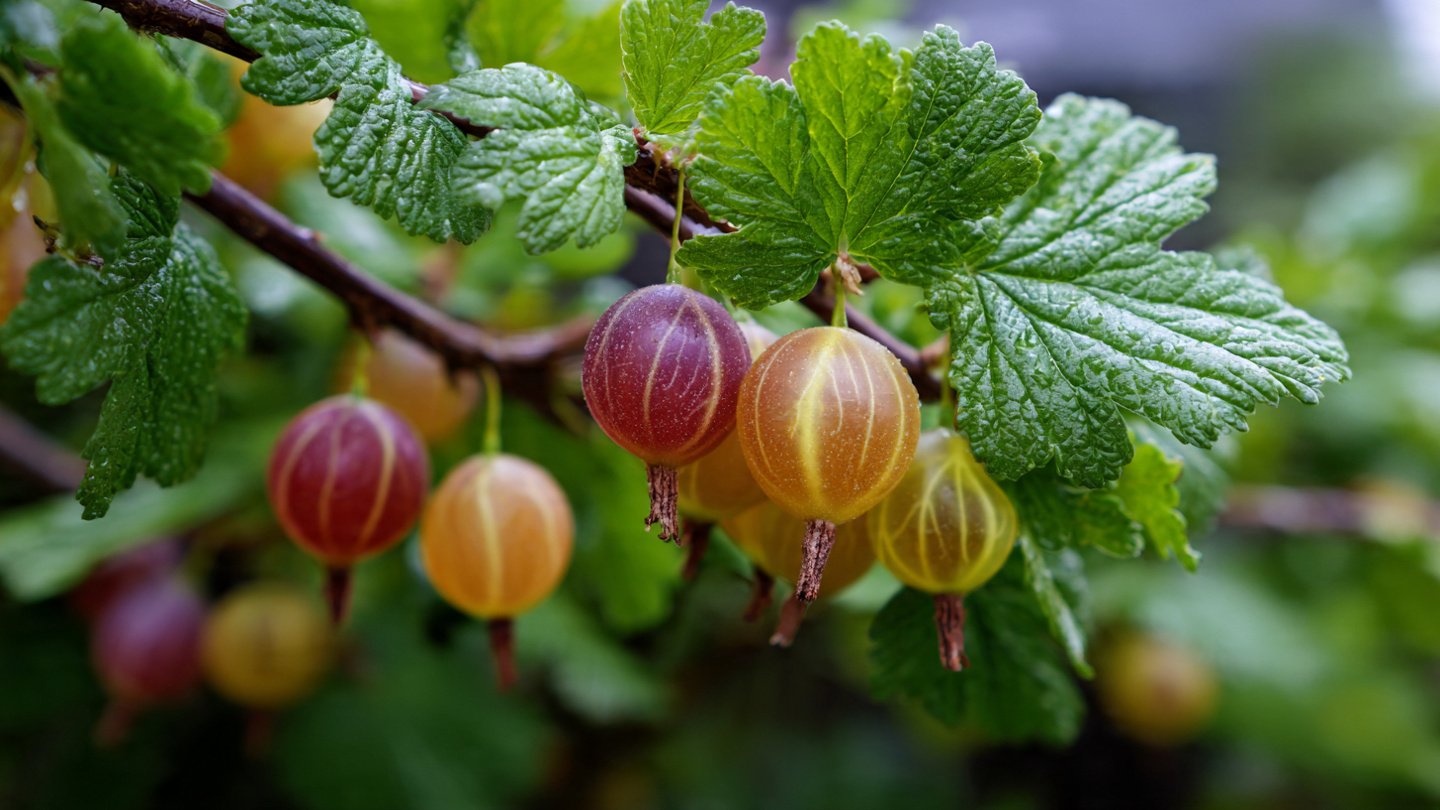
Gooseberries are a delightful fruit commonly found in gardens across Europe and North America. While they may not be as popular as strawberries or raspberries, their unique tart flavor and beautiful appearance make them a coveted addition to any garden. In colder climates, growing gooseberries can be a rewarding challenge. This guide will walk you through everything you need to know to successfully cultivate these hardy bushes in cold conditions.
Understanding Gooseberries
Before diving into the specifics of growing gooseberries, it’s essential to understand what they are. Gooseberries (Ribes uva-crispa) are small, round berries that can vary in color from green to yellow, red, and even purple. They are packed with vitamins and antioxidants and can be used in various culinary applications, from jams to desserts.
Varieties of Gooseberries
When selecting a variety, consider your climate and the flavor profile you desire. Some of the best varieties for cold climates include:
- Invicta: This variety is resistant to powdery mildew and produces large, green fruits.
- Hinnomaki Red: Known for its sweet-tart flavor, this variety also exhibits good disease resistance.
- Leveller: This variety offers high yields of sweet, green berries and thrives in cold weather conditions.
Soil Requirements
Gooseberries thrive in well-draining, fertile soil. A pH level between 6.0 and 6.8 is ideal. To prepare your soil:
-
Testing pH: Use a soil testing kit to check your pH levels. Amend the soil with lime if it is too acidic or sulfur if it is too alkaline.
-
Organic Matter: Incorporate ample organic matter like well-rotted compost or aged manure to improve soil structure and provide necessary nutrients.
-
Drainage: Ensure good drainage, as waterlogged roots can lead to root rot. If your soil is heavy clay, consider planting in raised beds.
Choosing the Right Location
Gooseberries require a sunny location with some protection from harsh winds. Aim for a spot that receives at least six hours of sunlight per day. However, in extremely hot climates, some afternoon shade can provide relief.
Planting Gooseberries
The best time to plant gooseberries is in early spring, once the soil has thawed. Follow these guidelines:
-
Spacing: Plant bushes 4 to 5 feet apart to allow for proper air circulation, which helps prevent diseases.
-
Depth: Dig a hole that is deep enough to accommodate the root ball. Place the plant in the hole so that the crown is at soil level.
-
Watering: After planting, thoroughly water the bushes to settle the soil around the roots.
Caring for Gooseberries
Once your gooseberries are planted, consistent care will ensure healthy growth and fruitful yields.
Watering
Gooseberry bushes require consistent moisture, especially during dry spells. Water deeply once a week, more frequently during particularly hot or dry periods. Avoid wetting the foliage, as this can promote diseases.
Fertilizing
Applying a balanced fertilizer in early spring will encourage healthy growth. Look for a fertilizer with an N-P-K ratio of 10-10-10. After the first year, you may reduce the frequency of fertilization to once a year.
Pruning
Pruning is crucial for gooseberry plants, as it helps maintain their shape and encourages better air circulation.
- Timing: Prune in late winter or early spring before the buds begin to swell.
- Technique: Remove dead or damaged wood and thin out crowded branches. Aim for an open center to enhance airflow and sunlight penetration.
Pest and Disease Control
Gooseberries can be affected by various pests and diseases. The most common issues include:
- Gooseberry Sawfly: This pest can defoliate your plants. Handpick larvae and destroy them. Additionally, applying insecticidal soap can help control infestations.
- Powdery Mildew: To prevent this fungal disease, ensure good airflow around plants by proper pruning and spacing. If necessary, use fungicides as a last resort.
Harvesting Gooseberries
Harvesting usually occurs in late summer, between July and August, depending on the variety and climate.
-
Color: Ripe gooseberries will have a slight give when gently squeezed. Color varies by variety; for instance, green varieties will be translucent, while red ones will show a vibrant color.
-
Picking: Wear gloves, as gooseberries can have prickly thorns. Use scissors or garden shears to snip berries from the bush to avoid damaging the plant.
-
Storage: Freshly harvested gooseberries can be stored in the refrigerator for up to a week. For longer storage, consider freezing or making preserves.
Winter Care
In colder climates, it’s crucial to prepare your gooseberries for winter.
-
Mulching: Apply a thick layer of mulch around the base of the plants. This will help insulate the roots and retain moisture.
-
Protection: If you experience extreme cold, consider covering the bushes with burlap or planting them in a location that offers some natural windbreaks.
Companion Planting
Certain companion plants can enhance the growth and flavor of gooseberries. Consider planting:
- Garlic: Its natural pest-repellent properties can help deter pests.
- Chives: Known to enhance flavor and deter insects.
- Rhubarb: The two can coexist well and provide a visually appealing garden layout.
Common Challenges
Low Yields
If your gooseberries aren’t yielding fruit, consider the following:
-
Insufficient Pollination: Gooseberries are self-pollinating, but planting multiple varieties can improve yields.
-
Nutrient Deficiency: Ensure you are properly fertilizing and checking soil health.
Wilting Leaves
Wilting can indicate underwatering or root rot. Check for proper watering habits and soil drainage.
Conclusion
Growing gooseberries in cold climates is entirely achievable with the right knowledge, care, and preparation. With their robust nature, unique flavors, and various culinary uses, they are a valuable addition to your garden. By following the steps outlined in this guide and regularly checking on your plants, you’ll be well on your way to enjoying delicious gooseberries all summer long.
FAQs
1. Can I grow gooseberries in containers?
Yes, gooseberries can be successfully grown in containers. Ensure the container is large enough (at least 5 gallons) and has good drainage.
2. Do gooseberries require full sun?
While they prefer full sun, gooseberries can tolerate partial shade, especially in extremely hot climates.
3. How long does it take for gooseberries to produce fruit?
Gooseberry bushes typically begin producing fruit within 2 to 3 years after planting.
4. Can I grow gooseberries from seed?
Yes, you can grow gooseberries from seed, but it is a lengthy process. Most gardeners prefer to purchase established plants for quicker results.
5. What is the best way to use gooseberries?
Gooseberries are versatile and can be used in pies, crumbles, jams, or eaten fresh. Their tartness pairs well with sweet dishes.
6. How do I know when to harvest gooseberries?
Gooseberries are ready for harvest when they feel slightly soft and have reached their characteristic color, which varies by variety.
7. Are gooseberries hardy in cold climates?
Yes, gooseberries are quite hardy and can survive in temperatures as low as -20°F (-29°C), making them ideal for colder regions.