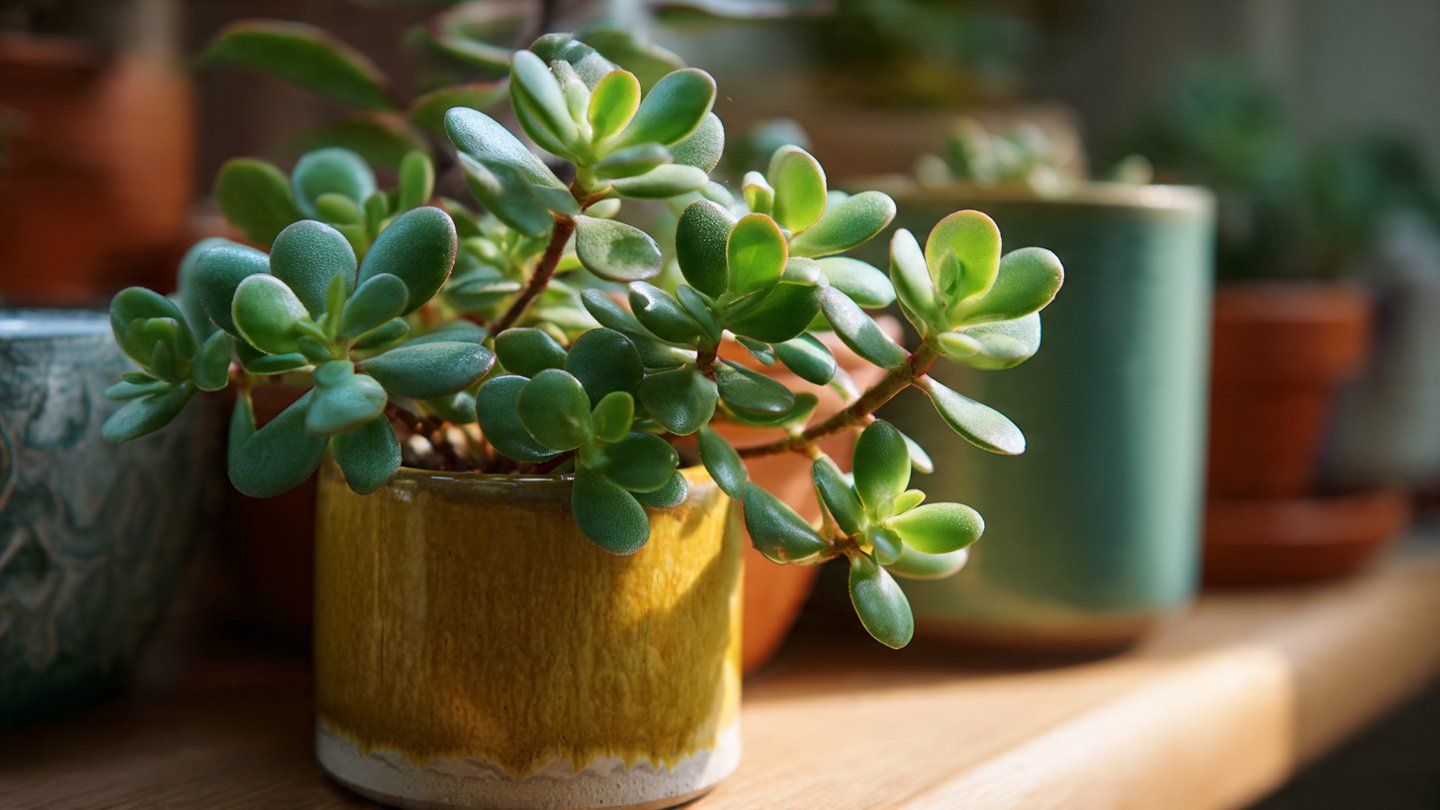
Jade succulents, scientifically known as Crassula ovata, are popular houseplants prized for their beautiful, fleshy leaves and robust nature. They are not only aesthetically pleasing but also believed to bring good luck and prosperity, making them a common choice among plant enthusiasts. One of the most rewarding aspects of caring for jade succulents is the ease with which they can be propagated, especially using just their leaves. In this article, we will explore the step-by-step process of leaf propagation, the ideal conditions for successful growth, and common pitfalls to avoid. We’ll also address frequently asked questions to give you a comprehensive guide to this delightful endeavor.
Understanding the Jade Plant
Before diving into propagation methods, it’s essential to understand the jade plant’s characteristics. Native to South Africa, jade succulents thrive in arid environments, making them wonderfully resilient houseplants. Their thick, oval leaves are designed to store water, enabling them to survive in conditions where moisture may be absent.
Why Propagate with Leaves?
Leaf propagation is an excellent method to multiply your jade plants without relying on seeds or cuttings. Using leaves allows for:
- Simplicity: No need for specialized tools or complex techniques.
- Cost-effectiveness: You can propagate new plants from existing ones, minimizing costs.
- Distraction: The rewarding process can be a fun and engaging project for plant lovers.
Step-by-Step Guide to Leaf Propagation
Step 1: Select Healthy Leaves
Begin by examining your existing jade plant. Look for healthy, mature leaves that are plump and free from pests or diseases. Leaves that appear stressed, damaged, or shriveled might not produce viable new plants.
Step 2: Harvesting the Leaves
Using clean, sharp scissors or pruning shears, gently twist or cut the selected leaves from the stem. It’s vital to ensure that each leaf has a clean break rather than a jagged cut, as this can affect the propagation success.
Step 3: Allow Leaves to Callous
After harvesting, lay the leaves on a clean, dry surface away from direct sunlight. Let them callous for about 2-3 days. This process allows the cut surface to dry and harden, reducing the risk of rot when planted.
Step 4: Prepare the Planting Medium
A well-draining soil mix is crucial for successful propagation. You can either purchase a pre-mixed succulent soil or create your own by combining standard potting soil with sand or perlite.
DIY Mix Ratio:
- 2 parts potting soil
- 1 part sand
- 1 part perlite
Make sure the mix is dry before planting the leaves.
Step 5: Plant the Leaves
Once the leaves are calloused, you can plant them in your prepared mixture:
- Fill a shallow tray or pot with the succulent soil mix.
- Position the calloused leaves on top of the soil, ensuring that the cut ends sit on the surface.
- Press them down just slightly to stabilize them, but do not bury them, as they will grow roots from the cut ends.
Step 6: Watering
After planting, mist the soil lightly with a spray bottle. Avoid soaking the soil; instead, aim for enough moisture to encourage root formation. You can also cover the tray with a plastic dome or a clear plastic bag to maintain humidity but remember to remove this cover once you see signs of growth.
Step 7: Provide Proper Lighting
Place the tray in a location that receives bright, indirect sunlight. Jade plants prefer well-lit conditions but can suffer from leaf burn if exposed to direct sunlight.
Step 8: Patience and Care
Root development may take anywhere from a few weeks to several months. During this period, check the soil regularly. Allow it to dry out completely between waterings, as overwatering can lead to decay.
Step 9: Transplanting
When you notice new growth, which typically appears as tiny leaves (called plantlets) emerging from the base of the original leaf, you can consider transplanting them into individual pots. When the plantlets are about 1-2 inches tall, carefully separate them and transplant them into their own pots, using the same well-draining soil mix.
Step 10: Ongoing Care
After transplanting, continue to provide bright, indirect light and water sparingly. Once established, jade plants can tolerate longer periods without moisture. Consider fertilizing every few months with a diluted succulent fertilizer during the growing season (spring and summer).
Common Pitfalls to Avoid
Successfully propagating jade succulents can sometimes be challenging. Here are some common mistakes to watch out for:
1. Overwatering
Perhaps the most significant mistake is overwatering. Succulents are adapted to arid conditions and should be watered only when the soil is completely dry.
2. Insufficient Light
While jade plants can tolerate low light, insufficient light can stunt growth. Ensure they receive adequate indirect sunlight for healthy development.
3. Not Allowing Leaves to Callous
Planting fresh cut leaves without allowing them to callous increases the chances of rot. Always be patient and let them dry out first.
4. Using Regular Potting Soil
Regular potting soil can retain too much moisture, damaging the succulent’s roots. Always use a well-draining mix suited for cacti or succulents.
5. Neglecting to Watch for Pests
Insect infestations can hinder growth. Regularly inspect your plants for signs of pests like mealybugs or aphids and treat accordingly.
FAQs
Q1: How long does it take for jade leaves to propagate?
Propagation can take anywhere from a few weeks to several months, depending on the environmental conditions and care provided.
Q2: Can all types of jade leaves be propagated?
Yes, most jade plants can be propagated using leaves. However, using healthier, more mature leaves will yield better results.
Q3: What should I do if my leaves rot?
If your leaves show signs of rot, remove them immediately and reassess your watering schedule and conditions. Ensure your leaves have been adequately calloused and that you are using well-draining soil.
Q4: Is direct sunlight harmful to young plants?
Yes, direct sunlight can scorch young plants and should be avoided, especially during the hottest parts of the day.
Q5: Do I need to fertilize my jade plants during propagation?
It is not necessary to fertilize during the propagation phase. After transplanting, consider fertilizing sparingly during the growing season.
Conclusion
Propagating jade succulents from leaves is a gratifying experience that can yield beautiful, thriving plants. By following the steps outlined above and being mindful of common pitfalls, you will enhance your gardening skills and expand your collection of these charming plants. Whether you’re a seasoned gardener or a novice, this propagation technique is straightforward, cost-effective, and rewarding, making it an excellent step towards becoming a successful succulent parent. Happy planting!