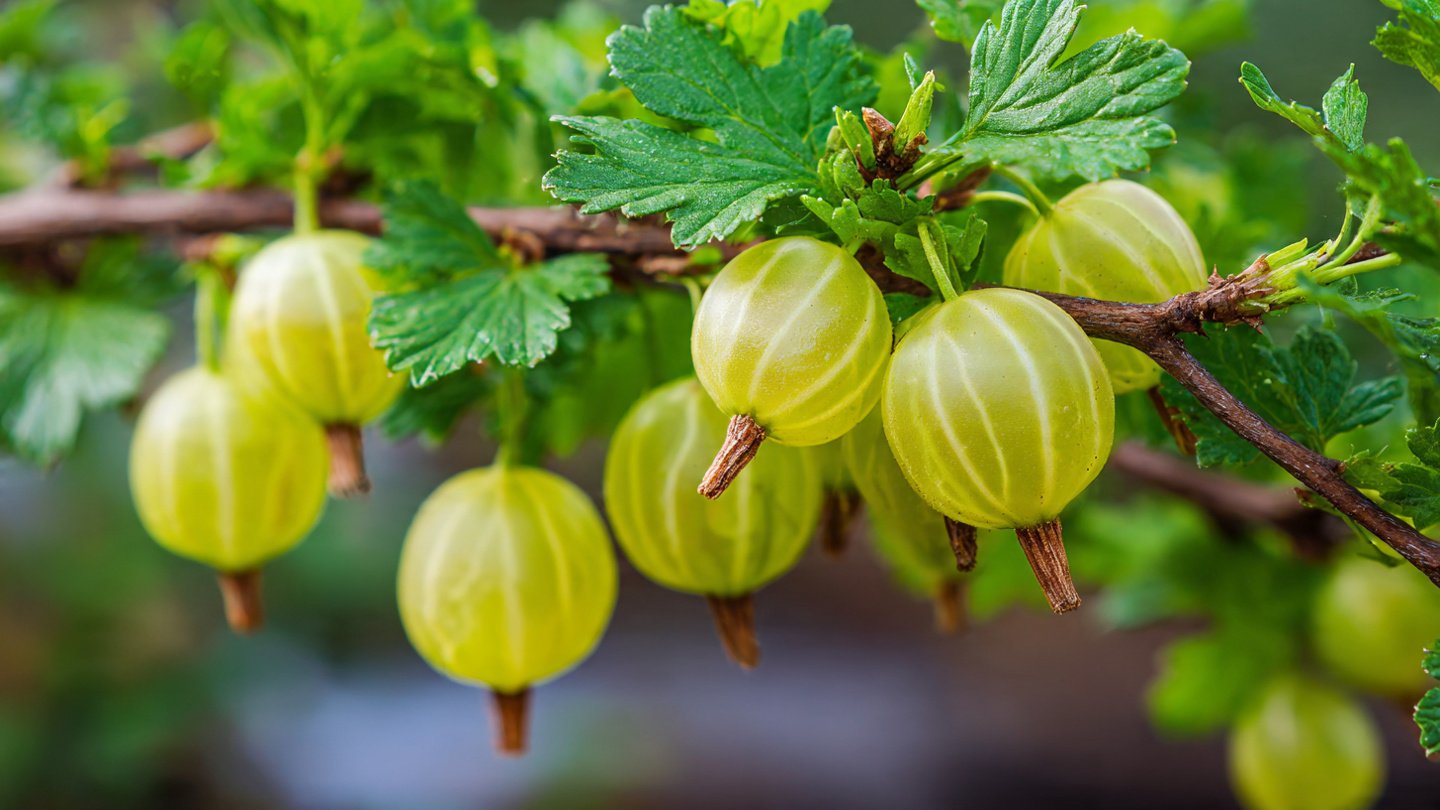
Gooseberries are a delightful addition to the Canadian home garden. They provide delicious berries that can be used in various culinary creations, from jams to pies. This guide aims to provide comprehensive information about growing gooseberry bushes in Canada, helping you plant, care for, and harvest these sweet and tangy fruits successfully.
1. Overview of Gooseberries
Gooseberries (Ribes uva-crispa) are part of the currant family and are known for their small, round, and often tart berries that come in various shades, including green, red, and yellow. They thrive in temperate climates, making Canada an ideal location for their growth, particularly in the southern regions that experience milder winters.
Varieties
There are numerous varieties of gooseberries, each with distinct flavors, sizes, and growth habits. Popular varieties for Canadian gardens include:
- Invicta: A hardy and disease-resistant variety known for its large green fruits. Excellent for fresh eating and cooking.
- Hinnonmaki Red: A red variety with a sweet yet tangy flavor, perfect for eating fresh.
- Poorman: Known for its sweet, small berries and compact growth, making it suitable for smaller gardens.
2. Choosing the Right Location
When planting gooseberry bushes, the first step is to choose the appropriate location in your garden. Ensure that the site you select receives full sunlight (at least 6 hours a day). A well-draining soil is essential; heavy clay or overly wet soils can lead to root rot.
Soil Preparation
Gooseberries prefer slightly acidic to neutral soil with a pH between 6.0 and 6.8. Here’s how to prepare your soil:
- Test the Soil: Use a soil test kit to determine its pH and nutrient levels.
- Amend the Soil: Incorporate organic matter like compost or well-rotted manure to improve soil structure and nutrient content.
3. Planting Gooseberry Bushes
When to Plant
The best time to plant gooseberry bushes is in the spring, after the last frost date, or in the fall, ideally around 6 weeks before the first expected frost.
How to Plant
- Dig a Hole: Make a hole that is 18 inches deep and wide enough to accommodate the roots.
- Spacing: Plant bushes about 3-4 feet apart for adequate air circulation and sunlight.
- PLanting Depth: Position the bush so that the root crown is just above the soil line.
- Watering: Water the bush thoroughly after planting to settle the soil around the roots.
4. Caring for Gooseberry Bushes
Watering
Gooseberries require regular watering, especially during the first growing season. Keep the soil consistently moist but not waterlogged. Mulching can help retain soil moisture and suppress weeds.
Fertilization
In early spring, apply a balanced fertilizer rich in nitrogen, phosphorus, and potassium. A slow-release organic fertilizer is a good choice for sustainable growth.
Pruning
Pruning is essential for encouraging healthy growth and preventing diseases. Here’s how to prune gooseberry bushes:
- Timing: Late winter or early spring is the best time to prune.
- Remove Dead or Diseased Wood: Cut back any dead branches or those showing signs of disease.
- Shape the Bush: Aim to create an open center that allows sunlight to penetrate and air to circulate.
Pest and Disease Management
Gooseberry bushes can be susceptible to a few pests and diseases, including:
- Gooseberry Fruit Worms: Inspect regularly and remove any affected fruit.
- Powdery Mildew: Improve air circulation and avoid overhead watering.
- Aphids: Spray with insecticidal soap or neem oil if infestations occur.
5. Harvesting Gooseberries
Depending on the variety, gooseberries typically ripen from late summer to early fall. When harvesting:
- When to Harvest: Check the berries for color and size. They should be firm and fully colored.
- How to Pick: Gently twist the berries off the stem. Avoid damaging the plant.
6. Culinary Uses
Gooseberries can be enjoyed in various culinary creations:
- Jams and Jellies: They have a high pectin content, making them ideal for preserves.
- Desserts: Use them in pies, tarts, or crumbles.
- Savory Dishes: They add a unique twist to salads and sauces.
7. Winter Care
In Canada, winter protection is essential for gooseberry bushes due to harsh conditions. Here are some tips:
- Mulching: Apply a thick layer of mulch around the base to insulate roots.
- Protective Covers: Consider using burlap or frost cloth for added protection against extreme cold.
FAQs
1. How much sunlight do gooseberry bushes need?
Gooseberry bushes thrive in full sunlight, requiring at least 6 hours of direct sunlight daily.
2. Can I grow gooseberries in containers?
Yes, gooseberries can be successfully grown in containers. Ensure the pots are large enough to accommodate the roots, typically a minimum of 5 gallons.
3. How do I know when my gooseberries are ripe?
Ripe gooseberries will be fully colored and slightly soft to the touch. They may vary in color depending on the variety.
4. Do gooseberries need cross-pollination?
Most gooseberry varieties are self-pollinating; however, planting multiple varieties can improve fruit set.
5. What is the best way to propagate gooseberry bushes?
Gooseberries can be propagated through cuttings taken in late spring or by layering branches.
6. Are gooseberries high in nutrients?
Yes, gooseberries are rich in vitamins, particularly vitamin C, fiber, and antioxidants.
7. What can I do if my gooseberry plant doesn’t produce fruit?
Common reasons for no fruit include inadequate sunlight, poor soil conditions, or pest infestations. Ensure the plant is well-cared for.
8. Are gooseberries hardy in cold climates?
Yes, many gooseberry varieties are well-suited for cold climates. They typically tolerate temperatures down to -30°F (-34°C).
Conclusion
Growing gooseberry bushes in Canada can be a rewarding endeavor for home gardeners. With the right care, preparation, and knowledge, you can enjoy a bountiful harvest of these tangy berries. Follow this guide to cultivate robust gooseberry bushes that will produce fruit for years to come. Happy gardening!