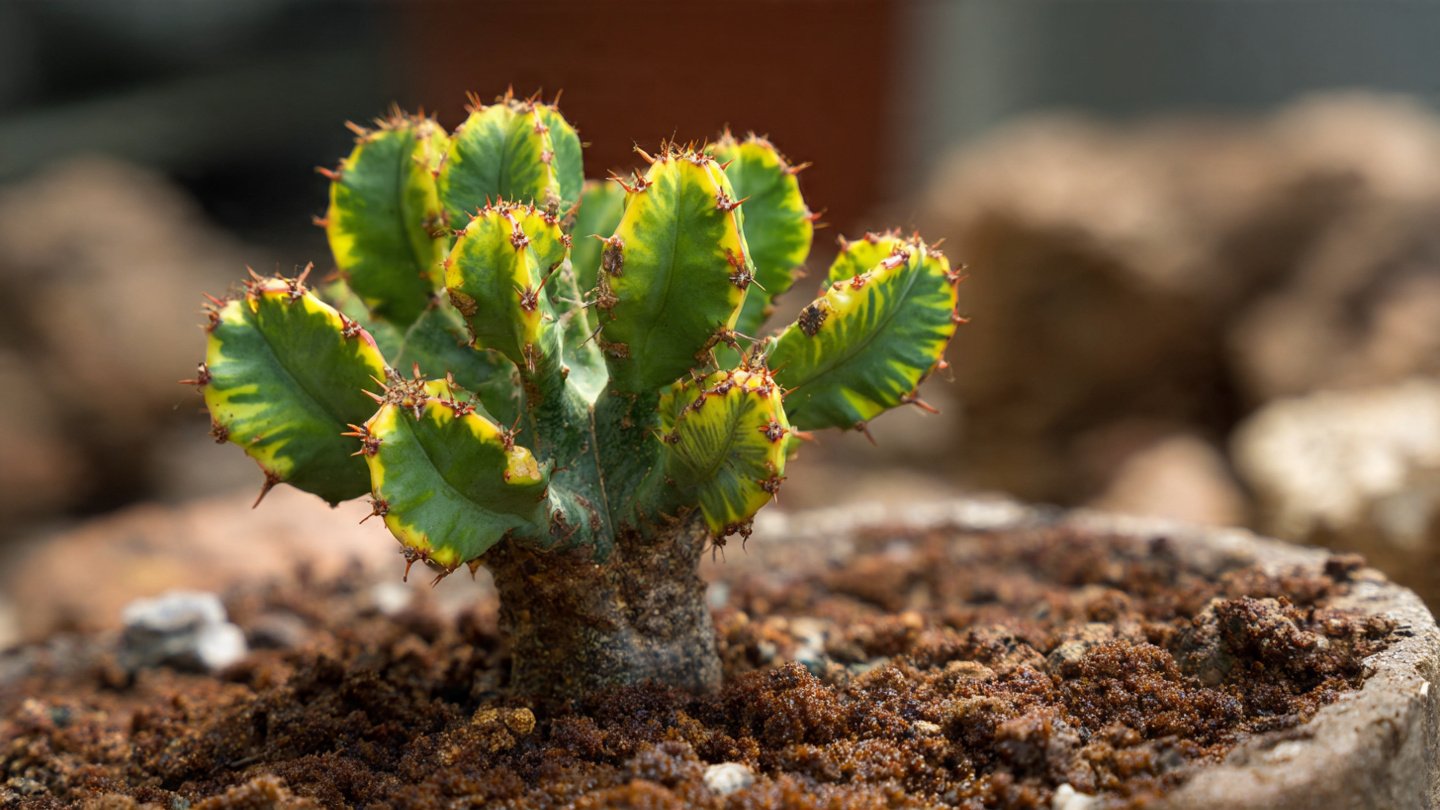
Euphorbia, commonly known as spurges, is a diverse genus of flowering plants that includes over 2,000 species. While many varieties are appreciated for their ornamental beauty, some can be notoriously thorny. This guide is designed to help beginners grow euphorbia efficiently while minimizing the risks of thorn damage.
Understanding Euphorbia
Before diving into the practical aspects of growing euphorbia, it’s essential to understand what makes this plant group unique. Euphorbias are succulent or semi-succulent plants that thrive in arid and semi-arid environments. They come in various shapes and sizes, from low-growing ground covers to tall shrubs and even small trees.
Key Characteristics
-
Diverse Species: Euphorbia can range from the well-known Christmas cactus (Euphorbia pulcherrima) to the stunning tropical varieties like Euphorbia milii.
-
Latex Sap: Many euphorbia species contain a milky latex sap that can be irritating to the skin and eyes, and some are toxic if ingested.
-
Thorns and Spines: While some euphorbias have thorns for protection, not all varieties do. Choosing the right species can make a significant difference in your gardening experience.
Choosing the Right Euphorbia Species
To minimize thorn damage, it’s crucial to select less thorny euphorbia species for your garden. Here are a few beginner-friendly varieties to consider:
-
Euphorbia tirucalli (Pencil Cactus): This tall, cylindrical plant is easy to grow and has minimal spines, making it an excellent choice for beginners.
-
Euphorbia polychroma (Cushion Spurge): Known for its attractive yellow bracts, this species also has minimal thorns and is hardy in a variety of conditions.
-
Euphorbia mengesii: A unique and visually striking plant that thrives indoors or outdoors and is relatively thorn-free.
-
Euphorbia obesa (Baseball Plant): This round, stone-like euphorbia has a pleasing appearance and is less likely to cause injuries.
Growing Euphorbia: Step-by-Step Guide
Step 1: Selecting a Location
Euphorbia thrives in bright, indirect sunlight. A location that receives several hours of filtered light is ideal. If growing indoors, consider placing your euphorbia near a south or west-facing window.
Step 2: Soil Preparation
Euphorbias prefer well-draining soil that can dry out between waterings. A cactus or succulent mix or a homemade blend of potting soil mixed with sand or perlite will work well. This ensures adequate drainage and minimizes root rot.
Step 3: Planting
-
Pot Selection: Choose a pot with drainage holes to prevent excess water from pooling at the roots.
-
Planting Depth: For most euphorbia species, plant them at the same soil depth as they were in their original container.
-
Spacing: If planting multiple euphorbias, ensure they have enough space to grow. Consider mature size when determining spacing.
Step 4: Watering
Euphorbias are drought-tolerant and require minimal watering. Overwatering can lead to root rot.
-
Watering Frequency: Allow the top inch of soil to dry out before watering again. Depending on the environment, this could mean watering every 2-3 weeks during the growing season and less frequently during dormancy.
-
Signs of Underwatering: Leaves might shrivel or become wrinkled.
-
Signs of Overwatering: Yellowing leaves and mushy stems.
Step 5: Fertilization
During the growing season (spring and summer), you can apply a diluted cactus or succulent fertilizer once a month. Avoid fertilizing during the dormant season.
Step 6: Pest Management
Euphorbias can be susceptible to pests like mealybugs and aphids. Keep a close eye on your plants and take action when needed.
-
Inspection: Regularly check the undersides of leaves and stems.
-
Treatment: If pests are found, treat them with insecticidal soap or neem oil.
Step 7: Pruning
Light pruning can help maintain the shape and health of your euphorbia. Use gloves to avoid thorn injuries when handling thorny species.
Step 8: Repotting
Repot your euphorbia when it outgrows its container, typically every 2-3 years. Be cautious while handling the plant to avoid thorn injuries or skin irritation from the latex sap.
Step 9: Indoor vs. Outdoor Growth
You can successfully grow euphorbia both indoors and outdoors. If grown indoors, ensure they receive adequate light and maintain the temperature above 60°F (15°C). Outdoors, plant them in a well-drained area with plenty of sunlight.
Frequently Asked Questions (FAQs)
1. Are all euphorbia species thorny?
No, not all euphorbia species are thorny. Many species have minimal or no thorns, making them suitable for beginners.
2. What safety precautions should I take when handling euphorbia?
Always wear gloves and long sleeves when handling euphorbia to avoid irritation from the latex sap and to protect against thorn injuries.
3. Can euphorbia be grown indoors?
Yes, many euphorbia species thrive indoors if they receive adequate light and are planted in well-draining soil.
4. How often should I water euphorbia?
Water your euphorbia only when the top inch of soil is dry. This will typically be every 2-3 weeks, depending on the environment.
5. Is euphorbia toxic to pets?
Some euphorbia species can be toxic to pets if ingested. Always research the specific species before bringing it into your home.
6. How do I propagate euphorbia?
Propagation can be done through cuttings or by seed. For cuttings, allow the cut end to dry and callous over before planting in soil.
7. What are the signs that my euphorbia is unhealthy?
Signs of an unhealthy euphorbia can include yellowing leaves, mushy stems, or visible signs of pests. Adjust watering practices and check for pests if you notice these symptoms.
8. Can I grow euphorbia outdoors in cold climates?
Many euphorbia species are drought-tolerant and prefer warm climates. In colder climates, consider growing them in pots that can be moved indoors when temperatures drop.
Conclusion
Growing euphorbia can be a rewarding gardening endeavor, especially when armed with the right knowledge and precautions. By selecting the appropriate species, understanding their growth habits, and implementing proper care techniques, you can enjoy the beauty of euphorbia while minimizing the risks associated with thorn damage. With patience and practice, you can turn your euphorbia gardening journey into a thriving success.