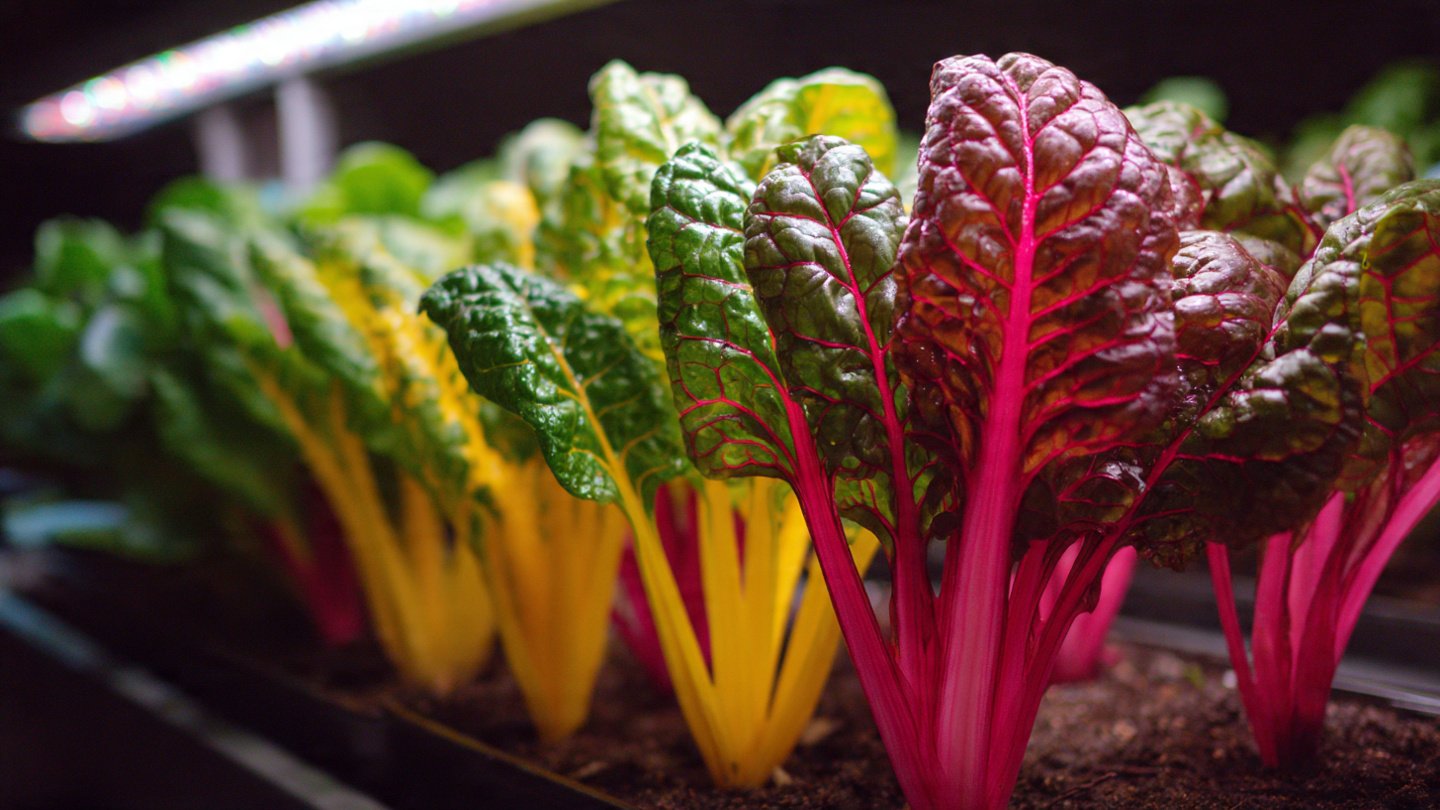
Rainbow chard, known for its vibrant, colorful stems and leafy greens, is a favorite among home gardeners and culinary enthusiasts. Not only is it visually appealing, but it’s also packed with nutrients and grows quickly, making it an ideal crop for indoor gardening. This guide will walk you through everything you need to know about successfully growing rainbow chard indoors, from the initial setup to harvesting.
Understanding Rainbow Chard
What is Rainbow Chard?
Rainbow chard (Beta vulgaris subsp. vulgaris) is a member of the beet family, distinguished by its colorful stalks which can include shades of red, orange, yellow, and pink. The leaves are tender and are rich in vitamins A, C, and K, as well as important minerals like magnesium and potassium. This nutrient-rich vegetable is often found in salads, stir-fries, and as a garnish due to its sweet, earthy flavor.
Benefits of Growing Rainbow Chard Indoors
- Visual Appeal: The colorful stalks enhance the visual aesthetics of any indoor space.
- Health Benefits: Rich in essential vitamins and minerals.
- Year-Round Harvesting: Unlike outdoor gardening, you can grow chard indoors anytime.
- Space-Efficient: Chard can be grown in containers, making it ideal for small spaces.
Setting Up for Indoor Growth
Choosing the Right Containers
- Size: Select a pot that is at least 12 inches deep. Rainbow chard has a strong root system, requiring sufficient space to grow.
- Material: Use pots made of breathable materials like terracotta or fabric, since they allow for better drainage and aeration.
- Drainage: Ensure the container has drainage holes to prevent waterlogging.
Soil and Fertilizer
- Soil Mix: Use a high-quality potting mix rich in organic matter. A mix that includes compost and perlite works well for drainage.
- pH Level: Aim for a soil pH of 6.0 to 7.0 for optimal growth.
- Fertilizer: Use a balanced, water-soluble fertilizer every 4-6 weeks. Liquid seaweed or fish emulsion are excellent organic choices.
Temperature and Light Requirements
- Temperature: Rainbow chard thrives in temperatures between 60°F and 75°F (15°C – 24°C). Keep it away from extreme temperature fluctuations.
- Light: Aim for at least 12-14 hours of light daily. If natural light is insufficient, supplement with grow lights. LED grow lights are energy-efficient and promote growth effectively.
Air Circulation and Humidity
- Airflow: Ensure adequate air circulation to prevent diseases. An oscillating fan can help.
- Humidity: Rainbow chard prefers moderate humidity (40-60%). If your indoor space is dry, consider placing a humidifier nearby or misting the plants periodically.
Planting Rainbow Chard
Seeds vs. Seedlings
- Seeds: Starting from seeds is economical and offers a wider variety.
- Seedlings: If you prefer a faster start, purchase seedlings from a nursery.
Planting Seeds
- Sowing Depth: Sow seeds about 1 inch deep and 6 inches apart.
- Spacing: Once seedlings reach two inches in height, thin them to allow around 4-6 inches between plants.
Transplanting Seedlings
- Timeframe: If using seedlings, transplant them when they have three to four true leaves.
- Method: Gently remove seedlings from their nursery container and place them in the prepared soil, ensuring the roots are spread out.
Caring for Rainbow Chard
Watering
- Irrigation: Water the soil thoroughly, allowing the top inch to dry out between watering to prevent root rot.
- Technique: Water at the base of the plant instead of from above to minimize leaf disease.
Pest and Disease Management
- Common Pests: Look out for aphids, spider mites, and whiteflies. Use insecticidal soap or neem oil as a safe and effective treatment.
- Diseases: Powdery mildew can affect chard in humid conditions. Ensure adequate airflow and avoid overhead watering.
Pruning and Harvesting
- Pruning: Regularly remove dead or yellowing leaves to encourage growth.
- Harvesting: Begin harvesting when the leaves reach about 6-8 inches long. Use scissors to cut the outer leaves, allowing the inner ones to continue growing.
Nutrition and Culinary Uses
Rainbow chard can be used in various dishes, thanks to its versatility. Here are some ideas:
- Salads: Use raw leaves in salads for a colorful, nutritious addition.
- Stir-fry: Sauté chard with garlic and olive oil for a quick side dish.
- Soups and Stews: Add chard to soups for a flavor boost.
- Smoothies: Blend raw chard into smoothies for added nutrients.
Troubleshooting Common Issues
Slow Growth
Causes: Insufficient light or nutrient deficiency.
Solution: Ensure adequate light exposure and reassess your fertilization schedule.
Yellowing Leaves
Causes: Overwatering, nutrient deficiency, or pests.
Solution: Check soil moisture and treat for pests if necessary. Consider fertilizing if nutrient deficiency is suspected.
Browning Leaf Edges
Causes: Low humidity or underwatering.
Solution: Increase humidity levels and adjust your watering routine.
FAQs
How long does it take for rainbow chard to grow?
Rainbow chard typically takes about 50-60 days from seed to harvest, depending on growing conditions.
Can I grow rainbow chard in a small apartment?
Yes! Rainbow chard can be successfully grown indoors in containers, making it perfect for small spaces.
How often should I water rainbow chard?
Water when the top inch of soil feels dry. A good rule of thumb is to check the soil moisture once a week, but this can vary based on indoor conditions.
Is rainbow chard a perennial or annual plant?
Rainbow chard is generally grown as an annual. However, it can behave as a biennial, allowing you to save seeds for future planting.
What are the best companion plants for rainbow chard?
Companion plants that do well with chard include beans, onions, and herbs like basil. Avoid planting with other leafy greens that may compete for resources.
Can I grow rainbow chard hydroponically?
Yes! Rainbow chard can thrive in a hydroponic system, making it an excellent choice for those interested in soilless gardening.
Conclusion
Growing rainbow chard indoors is a rewarding and straightforward venture, allowing you to enjoy fresh, home-grown produce year-round. By following this ultimate guide, you’ll set yourself up for success in cultivating this vibrant vegetable. Whether you’re a seasoned gardener or new to the world of indoor gardening, rainbow chard can add beauty, flavor, and nutrition to your culinary adventures. Happy gardening!