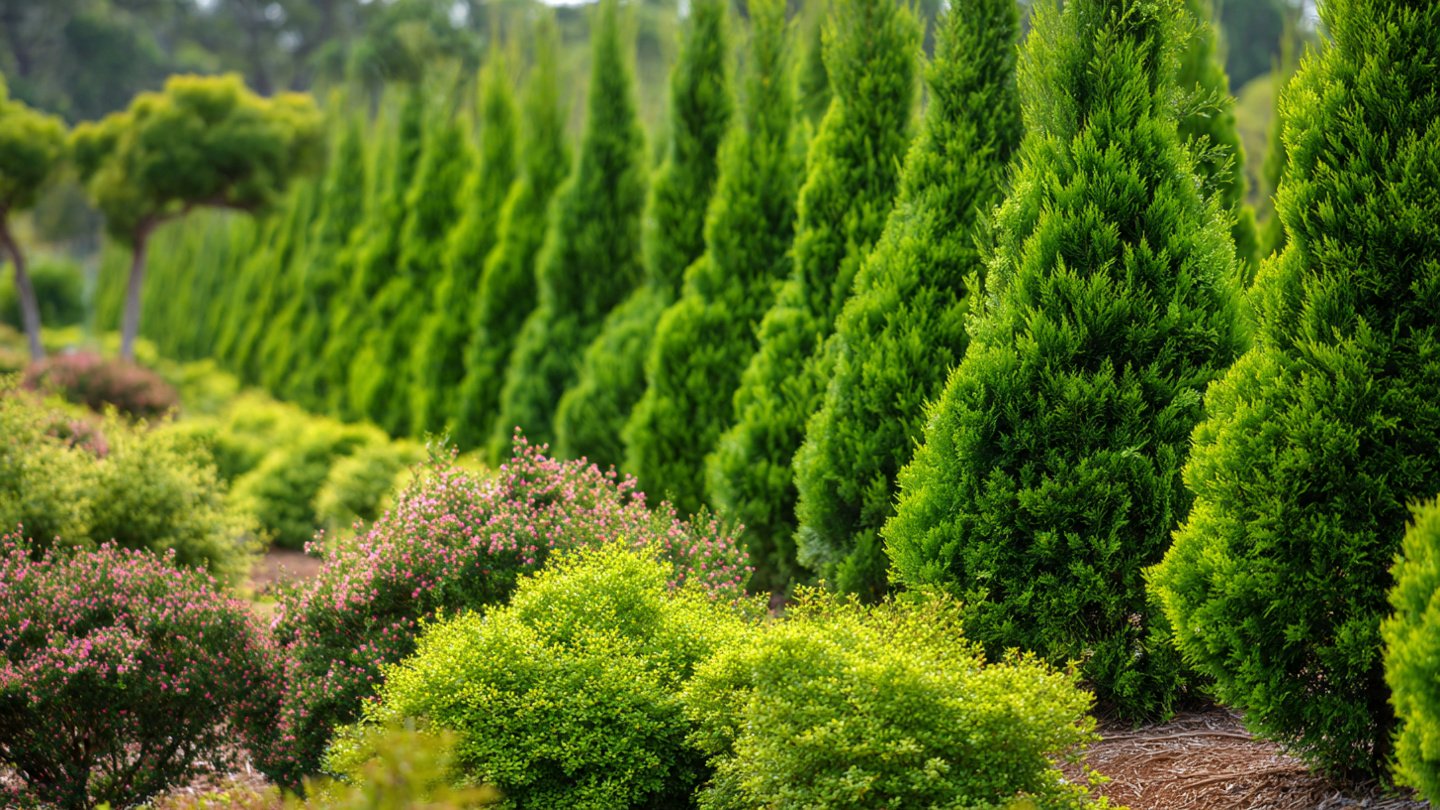
Evergreen plants are a staple in many gardens and landscapes, providing vibrant greenery throughout the year. Unlike deciduous plants, which shed their leaves in the fall, evergreens maintain their foliage, offering a consistent aesthetic appeal. Cultivating these plants successfully requires knowledge of their needs, proper care, and a few techniques to ensure they thrive. In this article, we’ll delve into the world of evergreens and provide you with comprehensive tips and guidelines to help you achieve lush, year-round greenery in your garden.
Understanding Evergreen Plants
Evergreen plants can be classified into two main categories: conifers and broadleaf evergreens.
-
Conifers include pines, spruces, firs, and cedars. They typically have needle-like leaves and are adapted to a range of climates.
-
Broadleaf evergreens include species like holly, camellia, and rhododendron. These plants have wider leaves and often produce beautiful flowers.
Both types of evergreens serve various functional purposes, from providing privacy screens and windbreaks to enhancing the aesthetic value of your landscape.
Choosing the Right Evergreen Plants
When selecting evergreens for your garden, consider the following factors:
1. Climate
Different evergreens thrive in varying climates. For example, some species are more tolerant to cold temperatures, while others flourish in warmer conditions. Research plants suited for your USDA Hardiness Zone to ensure they’re appropriate for your local climate.
2. Soil Type
Evergreens have different soil preferences. While some species prefer well-drained soils, others may tolerate heavier clay. Conduct a soil test to determine pH and nutrient levels, which will guide your selection process.
3. Sunlight Conditions
Assess how much sunlight your garden receives throughout the day. Some evergreens require full sun, while others thrive in partial or full shade. Choose species that match the light conditions of your garden bed.
4. Space and Size
Consider how much space you have available and the mature size of the plants. Some evergreens, like arborvitae, can grow very large, while others, like dwarf spruce, remain compact. Plan for the future growth of the plants to prevent overcrowding.
Preparing Your Garden Bed
Before planting evergreens, it’s crucial to prepare your garden bed properly to ensure successful growth:
1. Clear Debris
Remove any weeds, grass, or debris from the planting area. This minimizes competition for nutrients and water.
2. Soil Amendment
Incorporate organic matter such as compost or well-rotted manure to improve soil structure and fertility. This will provide a nutrient-rich environment for your evergreens.
3. Drainage
Good drainage is vital. If your soil retains too much moisture, consider creating raised beds or adding sand to improve drainage.
Planting Evergreen Plants
The planting process is crucial for the long-term success of your evergreens:
1. When to Plant
The best time to plant evergreen trees and shrubs is during the fall or spring when the temperatures are moderate. Avoid extremely hot or cold weather to minimize stress on the plants.
2. Digging the Hole
Dig a hole that is twice as wide and as deep as the root ball of your evergreen. This allows ample space for roots to spread out.
3. Positioning the Plant
Place the plant in the hole, ensuring that the top of the root ball is level with the surrounding soil. If the plant is too deep, it may suffer from rot; if it’s too high, it may dry out.
4. Backfilling and Watering
Gently backfill the hole with soil, making sure to eliminate air pockets. Water thoroughly to encourage root establishment.
Caring for Evergreen Plants
Once your evergreens are planted, proper care is essential for their health and longevity:
1. Watering
While evergreens are drought-tolerant, they require consistent moisture, especially during their first year. Water deeply but infrequently, allowing the soil to dry slightly between waterings.
2. Mulching
Apply a 2-3 inch layer of mulch around the base of the plants. This helps retain soil moisture, suppress weeds, and regulate soil temperature.
3. Fertilizing
Evergreens benefit from fertilization, especially in the spring. Use a balanced, slow-release fertilizer specifically formulated for evergreens. Follow package instructions for application rates.
4. Pruning
Regular pruning helps maintain the shape and health of evergreen plants. Remove any dead or diseased branches. For formal hedges, prune in late spring or early summer to encourage bushier growth.
5. Pest and Disease Management
Monitor your evergreens for pests like aphids, spider mites, and scale insects. Treat infestations promptly using organic or chemical insecticides. Diseases can also affect evergreens; ensure proper air circulation to minimize fungal infections.
Seasonal Considerations for Evergreens
1. Winter Care
In colder regions, evergreens can suffer from winter burn. Protect them by applying anti-desiccant sprays or providing winter mulch. Water your evergreens deeply before the ground freezes to reduce drought stress.
2. Spring Awakening
As temperatures rise and new growth emerges, remove any winter protection. Fertilize your plants at this time to encourage vigorous growth.
3. Summer Care
During hot summer months, maintain consistent watering. If your evergreens are in full sun, consider providing some afternoon shade to prevent stress.
4. Fall Preparations
In fall, prepare your evergreens for winter by mulching and cleaning up fallen debris to prevent pests and diseases from overwintering.
Designing with Evergreens
Evergreen plants can be creatively incorporated into your landscape design in several ways:
1. Foundation Planting
Use evergreens as part of your home’s foundation planting to add year-round color and texture.
2. Privacy Screens and Hedges
Tall evergreens can serve as effective privacy screens or hedges. Choose dense varieties to create a natural barrier.
3. Specimen Planting
Highlight a single specimen evergreen—such as a majestic pine or a unique dwarf variety—as a focal point in your garden.
4. Accent Groupings
Combine different varieties of evergreens in groups to create visual interest and depth, contrasting colors, shapes, and textures.
FAQs
1. What are the best evergreen plants for a small garden?
Dwarf spruces, junipers, and hollies are excellent choices for smaller spaces. They provide greenery without overwhelming the area.
2. Can I grow evergreens in containers?
Yes, many evergreens can thrive in containers! Just ensure proper drainage and choose a pot large enough to accommodate the root system.
3. How much sunlight do evergreens need?
It varies by species. Some evergreens prefer full sun, while others do well in partial shade. Always check the specific requirements for your chosen plants.
4. When should I prune my evergreen plants?
Prune evergreens in late spring or early summer after the new growth begins. This helps encourage bushiness and maintains their shape.
5. What should I do if my evergreen shows signs of pest infestation?
Identify the pest type and treat promptly with appropriate methods, such as insecticidal soap or neem oil.
6. How often should I fertilize my evergreens?
A slow-release fertilizer in the spring is generally sufficient. Be cautious not to over-fertilize, which can harm the plants.
7. Do evergreens require special soil?
While many evergreens are adaptable, well-drained, slightly acidic to neutral soil typically supports their growth best.
Conclusion
Cultivating evergreen plants provides not only aesthetic pleasure but also practical benefits, including privacy and shelter in your garden. By understanding their unique needs, preparing adequately, and providing proper care throughout the seasons, you can achieve a lush, vibrant landscape that remains green year-round. Whether you opt for conifers or broadleaf evergreens, the charm and versatility of these plants will bring life to your outdoor spaces, making your garden a retreat you can enjoy every day of the year.