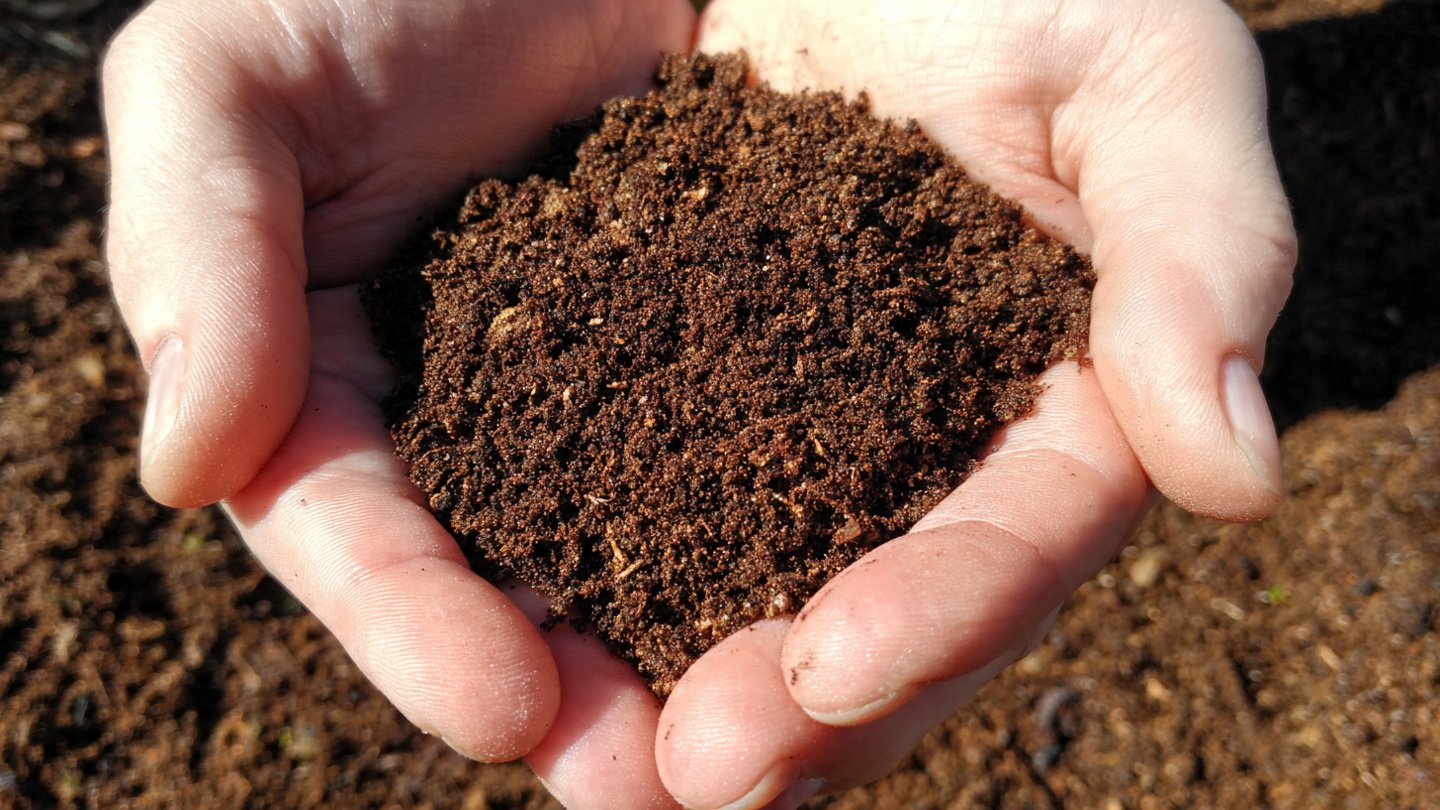
Growing apricots can be both exhilarating and rewarding. These golden fruits are known for their sweet, juicy flavor and are packed with vitamins A and C. However, achieving optimal growth requires more than just planting apricot seeds or seedlings in any soil. Having the right soil mix plays a crucial role in determining the health of your trees and the quality of the fruit they produce. This guide will provide you with everything you need to know about creating the perfect apricot soil mix.
Understanding Apricot Trees
Before diving into the specifics of soil composition, it’s essential to understand the apricot tree itself. Apricot trees (Prunus armeniaca) thrive in Mediterranean climates but can be grown in various regions with the right care. They require full sunlight, well-drained soil, and a suitable pH level for optimal growth.
Key Requirements for Apricot Trees
- Climate: Apricot trees prefer areas with cool winters and warm summers.
- Sunlight: They need a minimum of 6 hours of direct sunlight daily.
- Soil Type: Apricots do best in sandy loam or clay loam soils that drain well.
Soil Composition for Apricot Growth
Achieving the perfect apricot soil mix requires understanding the specific needs related to drainage, pH level, and nutrient content. Here’s how to create an ideal mixture step-by-step:
1. Drainage
Why It Matters: Apricot trees are susceptible to root rot, which is often caused by waterlogged soil. Thus, excellent drainage is crucial.
Materials for Drainage:
- Sand: Coarse sand improves aeration and drainage.
- Perlite or Vermiculite: These materials help maintain drainage while retaining some moisture without becoming soggy.
Mix Ratio: For every 2 parts of topsoil, add 1 part of coarse sand and 1 part of perlite or vermiculite.
2. Nutrient Content
Organic Matter: Apricot trees benefit significantly from organic matter, which enhances soil fertility and supports microbial life.
Materials for Nutrients:
- Compost: Well-rotted compost adds essential nutrients and improves soil structure.
- Well-rotted manure: Don’t use fresh manure as it can burn the plants. Instead, use composted manure that has aged for at least 6 months.
- Bone meal: High in phosphorus, bone meal supports root and flower development.
Mix Ratio: For a well-rounded nutrient profile, blend 1 part compost and 1 part well-rotted manure with the drainage mix outlined above.
3. Soil pH
Optimal pH Range: Apricot trees prefer a slightly acidic to neutral pH level ranging from 6.0 to 7.0.
Testing the pH: Use a soil pH test kit to determine your soil’s acidity or alkalinity. If the pH is outside the ideal range, you can amend it accordingly.
Adjusting pH:
- To Lower pH: Add elemental sulfur or pine needles.
- To Raise pH: Incorporate lime, but do so gradually and retest the soil.
4. Nutrients Balance
Besides macronutrients (N-P-K: nitrogen, phosphorus, and potassium), apricot trees require micronutrients like magnesium, iron, and manganese.
Fertilizers: A balanced fertilizer with a 10-10-10 N-P-K ratio can be applied during the growing season.
Step-by-Step Guide to Creating the Perfect Soil Mix
-
Gather Materials: Collect high-quality topsoil, coarse sand, perlite or vermiculite, compost, well-rotted manure, and bone meal.
-
Mix the Base: Combine 2 parts topsoil, 1 part coarse sand, and 1 part perlite/vermiculite in a large container or wheelbarrow.
-
Add Organic Matter: Incorporate 1 part compost and 1 part well-rotted manure into the mix. Ensure everything is blended evenly.
-
Fertilize: Add bone meal according to package instructions, ensuring it’s well-distributed throughout the mixture.
-
Test and Adjust pH: Use your pH test kit and adjust the soil’s pH as needed.
-
Final Checks: Ensure the mix is loose and crumbly but retains some moisture. A handful of the mix should hold together when squeezed but fall apart easily.
Planting the Apricot Trees
Once you have the perfect soil mix ready, it’s time to plant.
-
Choose a Planting Location: Select a sunny spot with good air circulation.
-
Digging the Hole: Dig a hole twice the width and depth of the root ball of your apricot seedling.
-
Soil Backfill: Place the tree in the center and backfill with your custom soil mix, ensuring the root collar is level with the soil surface.
-
Watering: Water thoroughly after planting to eliminate air pockets.
-
Mulch: Apply a 2-inch layer of organic mulch around the base to help preserve soil moisture and suppress weeds.
Maintaining the Perfect Soil
After planting, it’s essential to continue caring for the soil.
Watering Schedule
- Water young apricot trees weekly, adjusting based on rainfall.
- Once established, reduce watering frequency but ensure the tree receives adequate moisture during dry spells.
Fertilization
- Fertilize in early spring with a balanced tree fertilizer. Follow the recommended dosage for your specific mix.
Soil Aeration
- Every few years, aerate the soil around the trees to improve drainage and promote root growth.
Common Pests and Diseases
While healthy soil can reduce susceptibility to pests and diseases, it’s vital to remain vigilant.
- Aphids: Small insects that can damage foliage.
- Brown Rot: A fungal disease that can impact fruit development.
- Bacterial Leaf Spot: Causes dark spots on leaves, leading to premature leaf drop.
Regularly inspect your trees for signs of these issues and consider organic pest control methods if needed.
Conclusion
Creating the perfect apricot soil mix is a multifaceted process crucial to your tree’s health and productivity. By understanding the requirements for drainage, nutrient-rich organic matter, and the right pH level, you can cultivate a thriving apricot tree that yields delicious fruit year after year.
With the knowledge you now possess, you are well-prepared to embark on your apricot growing journey. Adhering to the guidelines for soil composition, planting, and ongoing maintenance will help you cultivate an orchard that is the envy of your neighborhood.
FAQs
1. How often should I test my soil pH?
It’s a good practice to test your soil pH annually, especially after adding amendments to check if the pH has changed.
2. Can I use store-bought potting soil for apricot trees?
While store-bought potting soil can work for container-grown apricot trees, it often lacks the drainage properties needed for in-ground planting. It’s best to create your own mix.
3. How much sunlight do apricot trees need?
Apricot trees require a minimum of 6 hours of direct sunlight daily for optimal growth and fruit production.
4. What is the best time to plant apricot trees?
Early spring or late fall is the best time to plant apricot trees, allowing them to establish roots before the stress of summer heat or winter cold.
5. How can I improve drainage in my existing soil?
You can improve drainage by incorporating sand, perlite, or compost into your current soil mix. Raised beds can also provide enhanced drainage benefits.
By adhering to these principles and continuously monitoring your trees, you can enjoy the bountiful harvests that come with well-cared-for apricot trees. Happy gardening!