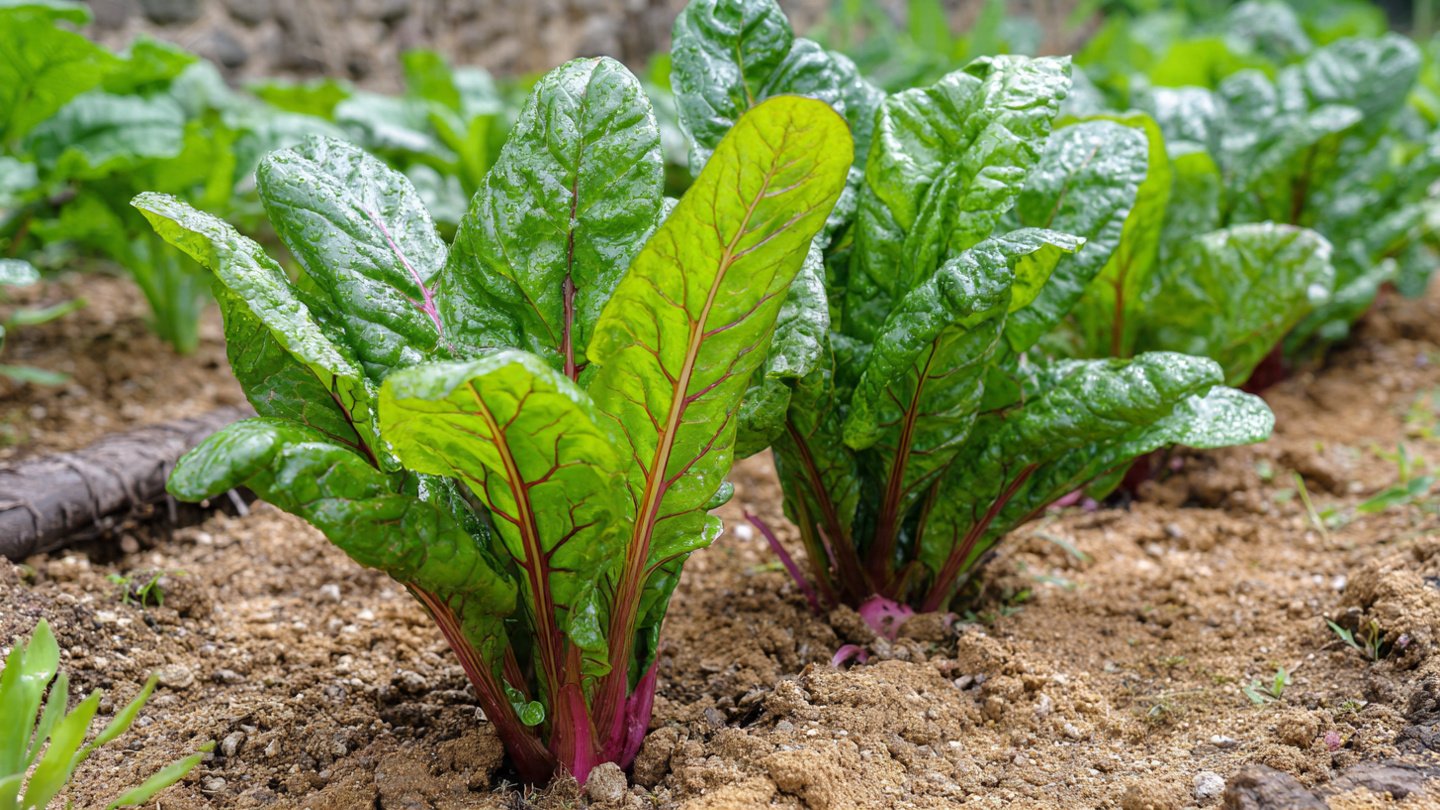
Growing Swiss chard is a rewarding endeavor for home gardeners due to its vibrant colors, rich flavor, and remarkable nutritional benefits. However, ensuring healthy growth without bolting can be challenging. Bolting is the premature flowering of the plant, which can lead to bitter leaves and a shorter harvest window. In this article, we will delve into simple methods for growing chard while minimizing the risk of bolting.
Understanding Chard and Its Growth Cycle
Swiss chard (Beta vulgaris subsp. cicla) is a leafy green vegetable known for its broad, ribbed leaves and colorful stems. Chard is a biennial plant, meaning it usually takes a full cycle of two years to complete its life cycle. However, it is typically grown as an annual. Here are a few key growth stages of chard:
- Germination: Seeds usually take about 7-14 days to germinate.
- Seedling Stage: Once seeds germinate, seedlings develop their first set of true leaves.
- Vegetative Growth: The plant grows larger and develops its characteristic leaves.
- Bolting: Triggered by stress factors, such as heat and drought, leading to flowering and seed production.
Why Does Chard Bolt?
Bolting in chard typically occurs due to environmental and physiological stress. Important triggers include:
- Temperature: Chard is a cool-season crop, thriving in temperatures between 50°F and 70°F (10°C to 21°C). Prolonged exposure to temperatures above 75°F (24°C) can precipitate bolting.
- Day Length: Longer daylight hours can induce flowering, especially as summer approaches.
- Water Stress: Inconsistent watering can stress the plant, making bolting more likely.
- Nutrient Deficiency: Insufficient nutrients may lead the plant to prioritize reproduction over leaf growth.
Understanding these triggers helps gardeners implement strategies to create an optimal growth environment.
Best Practices for Preventing Bolting
Here are several simple methods to help grow chard without bolting:
1. Choose the Right Variety
There are many varieties of chard, and some are more bolt-resistant than others. Consider varieties such as ‘Fordhook Giant’ or ‘Bright Lights.’ These are known for their resilience to higher temperatures and prolonged growing seasons. Consult with local nurseries for recommendations suited to your climate zone.
2. Optimal Planting Time
Timing your planting is crucial for preventing bolting. Plant Swiss chard in early spring or late summer for a fall harvest:
- Spring Planting: Start seeds indoors 6-8 weeks before the last frost date, or sow directly outdoors once the soil temperature reaches 50°F (10°C).
- Fall Planting: Sow seeds about 6-8 weeks before the first expected frost to take advantage of cooler temperatures in the fall.
3. Provide Adequate Watering
Maintaining consistent soil moisture is key to preventing stress-induced bolting. Here’s how to ensure proper watering:
- Regular Watering: Water chard deeply once or twice a week, depending on rainfall. Aim for about 1 inch of water weekly.
- Mulching: Applying a layer of organic mulch can help retain moisture, regulate soil temperature, and suppress weeds.
- Drip Irrigation: This method can provide a steady supply of water directly to the root zone without water stress.
4. Soil Health and Nutrients
Healthy soil contributes directly to plant growth and robustness. Focus on the following:
- Soil Tests: Conduct tests to assess pH and nutrient levels. Chard thrives in slightly acidic to neutral soils (pH 6.0-7.0).
- Organic Matter: Incorporate compost or well-rotted manure before planting, enriching the soil with nutrients.
- Balanced Fertilization: Use a balanced fertilizer high in nitrogen, which supports leaf growth. Consider an N-P-K ratio of 10-10-10. Follow package instructions carefully to avoid over-fertilization, which could lead to bolting.
5. Spacing and Airflow
Proper spacing helps plants grow vigorously and reduces competition for resources:
- Space Sufficiently: Plant seeds about 12 inches apart to allow ample room for growth and prevent overcrowding.
- Spacing In Rows: If planting in rows, ensure at least 18-24 inches between rows for easy access and air circulation.
6. Shade Protection
As temperatures rise, providing some shade can help maintain cooler soil and air environments:
- Shade Cloth: During the hottest part of the year, a shade cloth or row covers can help protect young plants. Aim for 30% shading to filter direct sunlight.
- Utilize Companion Plants: Group chard with taller plants to create natural shade or use structures such as trellises for support.
7. Timing Your Harvest
Timely harvesting can prolong the season and prevent bolting:
- Regular Harvesting: Begin harvesting leaves when they are young, tender, and about 6 inches long. This encourages the plant to produce new leaves and prolongs the growing season.
- Cutting Techniques: Use a sharp knife to cut leaves at the base rather than uprooting the plant to allow it to continue to grow.
Understanding Seasonal Changes
Be mindful of seasonal changes and adapt your care regimen accordingly:
- Monitor Temperatures: Keep track of ambient temperatures, especially during spring and summer. When temperatures threaten to exceed optimal ranges, consider using protective covers or shade.
- Season Extension Options: Use cold frames or hoop houses for early spring and late fall planting to extend your harvest and minimize bolting risk.
Pests and Diseases
While bolting is largely influenced by environmental stress, pests and diseases can affect chard health:
- Common Pests: Watch for aphids, leaf miners, and caterpillars. Use natural insecticides or insecticidal soap to manage infestations.
- Disease Management: Ensure your garden has good airflow and practice crop rotation to improve soil health and reduce disease risk.
Conclusion
Growing Swiss chard without bolting is achievable with careful attention to its growing conditions and stress factors. By implementing methods such as selecting the right variety, optimizing planting times, managing soil health, and ensuring proper watering, gardeners can enjoy a continuous supply of vibrant, nutritious leaves.
Through the integration of these practices, you can savor the rich flavors of Swiss chard throughout the growing season, enhancing your culinary endeavors with this versatile and hardy vegetable.
FAQs
1. How can I tell if my chard is about to bolt?
Look for signs such as rapid upward growth and a flower stalk emerging from the center of the plant. Leaves may also begin to taste bitter.
2. Can I still eat chard that has bolted?
While bolted chard may not be as desirable due to bitterness, it can still be consumed. If the leaves are too bitter, consider using them in cooked dishes where the bitterness can be mitigated.
3. What are the best companion plants for chard?
Plants such as carrots, onions, and peppers are good companions for chard, as they can help deter pests while maximizing garden space.
4. How long will chard continue to produce?
Under optimal conditions, chard can produce for several months, often up to a year. Regular harvesting will encourage continued growth.
5. Can chard be grown in containers?
Yes, chard can thrive in containers. Ensure that each container has ample drainage and is at least 12 inches deep to accommodate root growth. Regular watering and feeding are essential for container-grown chard.
By following these methods and understanding the factors influencing growth, you can cultivate a healthy, bountiful chard crop. Happy gardening!