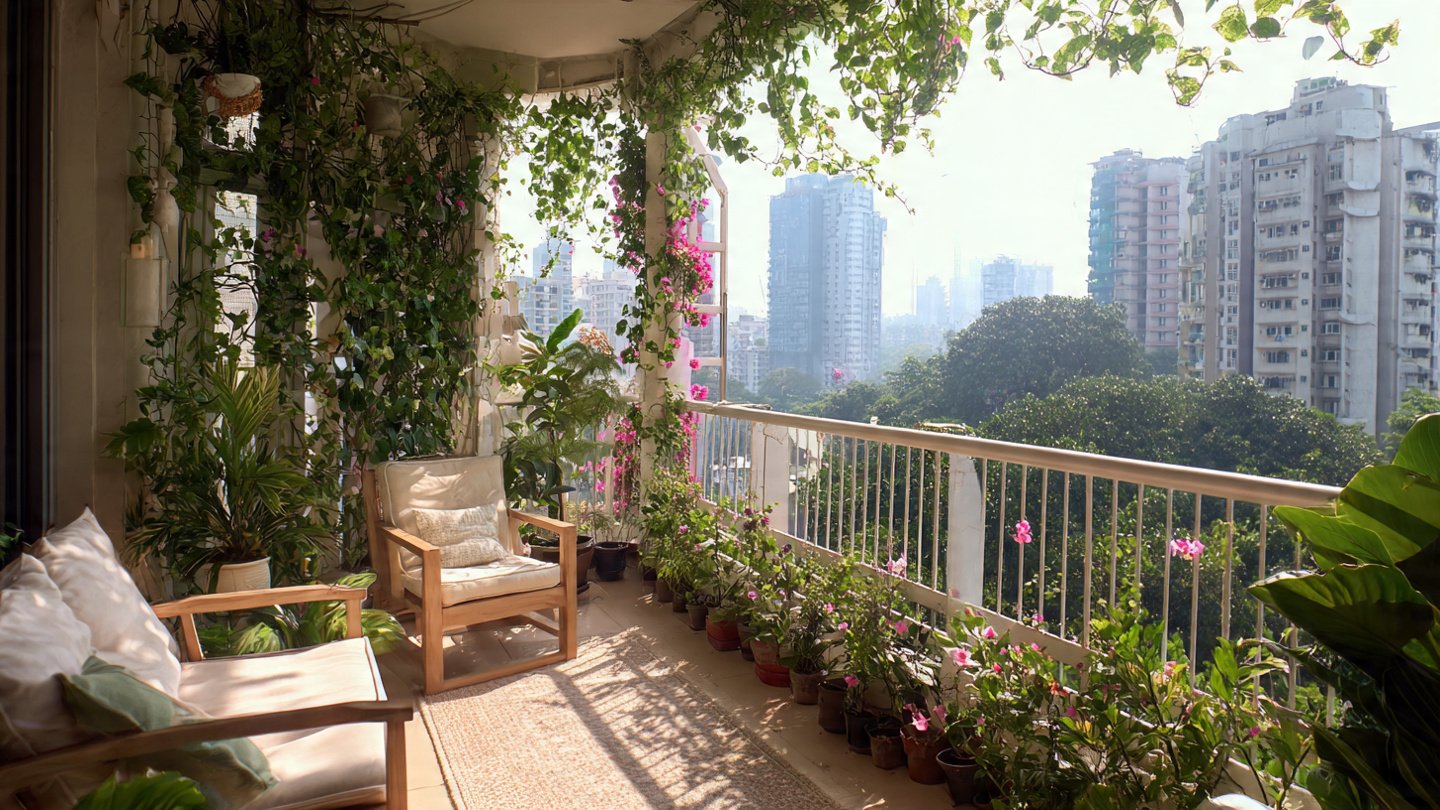
Aparajita, also known as Clitoria ternatea or butterfly pea, is a stunning climbing plant revered for its vibrant blue flowers and lush foliage. This tropical plant not only enhances the aesthetic appeal of your balcony but also offers health benefits and environmental advantages. In this comprehensive guide, we will explore the steps to successfully cultivate Aparajita as a balcony climber, ensuring maximum visual impact and thriving growth.
Understanding Aparajita
What is Aparajita?
Aparajita is a perennial climbing vine that belongs to the Fabaceae family. It is native to tropical Asia and Australia, often found in regions where the soil is well-drained and the climate is warm. The plant is famous for its striking blue flowers shaped like butterflies, which bloom throughout the year in ideal conditions. Besides its ornamental value, the flowers are also used in traditional medicine and culinary applications, making it an excellent addition to any garden.
Why Choose Aparajita for Your Balcony?
- Vibrant Aesthetic: The striking blue and purple flowers offer a visual feast, making your balcony more inviting.
- Easy to Grow: Aparajita is low-maintenance and adapts well to container gardening, perfect for urban spaces.
- Air Purification: As a foliage plant, it helps improve air quality, providing benefits to the urban environment.
- Culinary Uses: Its flowers can be used in teas and dyes, adding an edible dimension to your gardening experience.
Starting Your Aparajita Garden
1. Selecting the Right Container
For balcony gardening, selecting the appropriate container is crucial. Here are some tips:
- Size: Choose a container that is at least 12-14 inches in diameter and depth to accommodate the root system.
- Material: Terracotta, plastic, or ceramic pots are suitable options. Ensure it has drainage holes at the bottom to prevent waterlogging.
- Weight: Consider the weight of the container when filled, as some balconies may have weight restrictions.
2. Choosing the Right Soil
Aparajita prefers well-draining soil rich in organic matter. Here’s what you can do:
- Soil Mix: Combine potting soil with compost and perlite to improve drainage.
- pH Level: Aim for a slightly acidic to neutral pH (6.0-7.0) for optimal growth.
3. Selecting the Location
Positioning your plant is key to its success:
- Sunlight: Aparajita thrives in full sun or partial shade. Ideally, it should receive at least 4-6 hours of direct sunlight daily.
- Support Structure: Create a trellis, arch, or use a sturdy fence to provide support for the climbing vine.
Propagation Techniques
Aparajita can be propagated through seeds or cuttings. Here’s how:
1. Seed Propagation
- Seed Preparation: Soak the seeds in water for 24 hours before planting to enhance germination.
- Planting: Sow the seeds about 1 inch deep in moist soil. Space them at least 12 inches apart.
- Watering: Keep the soil consistently moist but not soggy. Germination typically occurs within 1-2 weeks.
2. Cutting Propagation
- Selecting Cuttings: Choose healthy stems from a mature plant, cutting just below a node.
- Rooting Hormone: Dip the cut end in rooting hormone for better results.
- Planting: Place the cutting in a pot with moist potting mix and cover with a plastic bag to maintain humidity.
- Watering: Once roots develop (usually 4-6 weeks), transfer them into larger containers.
Caring for Your Aparajita Plant
1. Watering
While Aparajita is relatively drought-tolerant, adequate watering is essential for healthy growth:
- Frequency: Water the plant deeply when the top inch of soil feels dry. Typically, this means watering every 2-3 days during the growing season and less frequently in cooler months.
- Drainage: Ensure that the pot drains well to prevent root rot.
2. Fertilization
Aparajita benefits from regular fertilization:
- Type: Use a balanced, slow-release fertilizer every 4-6 weeks during the growing season.
- Organic Options: Consider using compost or organic fertilizers for a more sustainable approach.
3. Pruning
Pruning helps maintain the health and appearance of Aparajita:
- Timing: Prune in early spring before new growth appears.
- Method: Remove dead or damaged stems and shape the plant to encourage a bushier growth habit.
Dealing with Pests and Diseases
Aparajita is generally resilient, but like any plant, it can be susceptible to pests and diseases:
1. Common Pests
- Aphids: Small green insects that suck the sap. Spray with insecticidal soap.
- Spider Mites: These tiny pests can cause leaf discoloration. Increase humidity and use miticides if necessary.
2. Fungal Diseases
- Powdery Mildew: Can develop in humid conditions. Ensure good air circulation and treat with fungicides if needed.
Enhancing Aesthetic Appeal
To create a stunning display with Aparajita, consider the following:
1. Companion Plants
Pair Aparajita with complementary plants to enhance visual interest:
- Floral Combinations: Consider marigolds, petunias, or geraniums in surrounding containers.
- Lush Foliage: Plants like ferns or philodendrons can provide a contrasting backdrop.
2. Vertical Gardening
Utilize vertical space effectively:
- Trellis Design: Create a decorative trellis that complements your balcony décor.
- Hanging Planters: Incorporate hanging baskets filled with Aparajita nearby for a cascading effect.
3. Seasonal Decorations
Incorporate seasonal decorations to change the ambiance of your balcony:
- String Lights: Enhance evening charm by hanging fairy lights along the trellis.
- Garden Accents: Use decorative stones or sculptures to create focal points.
Maintenance Tips
1. Routine Care
- Weekly Checks: Regularly inspect for pests or diseases.
- Watering Schedule: Adjust watering frequency based on weather conditions.
2. Seasonal Adjustments
- Winter Care: In regions with colder climates, consider bringing pots indoors or providing protection against frost.
- Summer Care: Increase watering and monitor for signs of heat stress, especially in direct sunlight.
Conclusion
Cultivating Aparajita as a balcony climber is a rewarding endeavor that can bring beauty and vibrancy to your urban environment. With its stunning flowers, easy care requirements, and various benefits, it’s an ideal choice for gardeners of all levels. By following the steps outlined in this guide, you can create a visually appealing balcony garden that not only enhances your home but also contributes to a greener planet.
FAQs
Q1: How long does it take for Aparajita to bloom from seed?
Aparajita typically takes about 8-12 weeks from seed germination to flowering, depending on growing conditions.
Q2: Can Aparajita grow in partial shade?
Yes, Aparajita can grow in partial shade, but it thrives best in full sun with at least 4-6 hours of direct sunlight.
Q3: Is Aparajita safe for pets?
Aparajita is considered non-toxic to pets, making it a safe choice for homes with animals.
Q4: What can I do if my Aparajita is not blooming?
If your plant is not blooming, ensure it receives adequate sunlight, nutrients, and water. Pruning may also encourage flowering.
Q5: How can I store Aparajita seeds for future planting?
Store Aparajita seeds in a cool, dry place in an airtight container to maintain their viability for future planting.
By following this guide and nurturing your Aparajita, you can create a lively, eye-catching balcony space that brings joy and satisfaction throughout the seasons.