Introduction
Hoya, commonly known as wax plants due to their thick, waxy leaves and flower clusters, belong to the Apocynaceae family. Among the diverse species that make up this genus, the Hoya compacta, or the Hindu Rope Plant, is particularly popular for its stunning appearance and low maintenance requirements. This article will guide you through every essential aspect of growing, caring, and propagating the Hoya compact leaf variety in your home garden.
Understanding Hoya Compact Leaf Variety
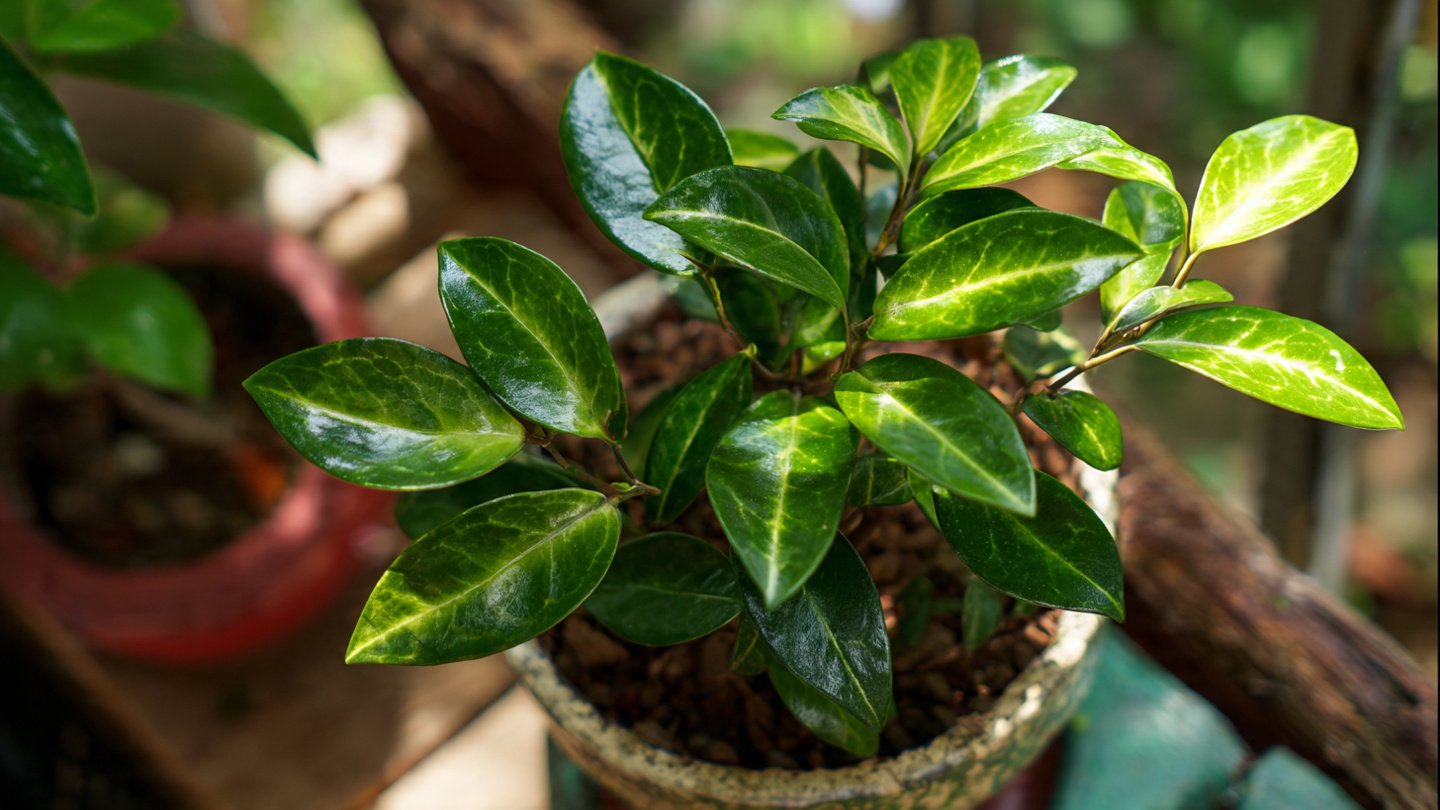
The Hoya compacta is characterized by its thick, succulent leaves that twist and curl, resembling a tangled rope. The foliage is dark green, often with a slight waxy sheen, adding a unique aesthetic to any indoor or outdoor setting. In the right conditions, the compacta can produce stunning clusters of star-shaped flowers that bloom in a variety of colors, typically ranging from white to pink, bringing a delightful fragrance to your space.
Choosing the Right Location
The first step to successfully growing your Hoya compact leaf variety begins with selecting the right location. This plant thrives in well-lit conditions but can also tolerate lower light levels. Here are some tips to ensure your Hoya receives ample light:
- Natural Light: Place the plant near a window with filtered sunlight or in a well-lit room. South or southeast-facing windows are ideal.
- Artificial Light: If natural light is scarce, consider using grow lights. Position the lights about 12-18 inches above the plant for optimal growth.
Potting Your Hoya
Choosing the right container and soil is crucial for the healthy growth of your Hoya compacta. Here’s how to pot your plant effectively:
- Container: Use a pot with drainage holes. This allows excess water to escape and prevents root rot.
- Soil: Hoya compactas prefer a well-draining potting mix. A blend of peat moss, perlite, and orchid bark works well. This combination retains moisture while enhancing drainage.
Watering Your Hoya
Watering is one of the most critical aspects of Hoya care. These plants prefer to dry out between watering, so overwatering can lead to root rot. Follow these guidelines:
- Frequency: Water your Hoya when the top inch of the soil feels dry. In the growing season (spring and summer), this may be weekly, while in the dormant winter months, reduce watering to about once every two weeks.
- Method: Water thoroughly, ensuring that the entire root ball receives moisture but avoid allowing the plant to sit in standing water.
Humidity and Temperature
Hoya compacta thrives in a humid environment but can adapt to average indoor humidity. Here’s how to create an optimal environment:
- Humidity Levels: Aim for humidity levels between 60% and 70%. In dry indoor conditions, consider using a humidifier or placing a tray of water near the plant.
- Temperature: Hoya compactas prefer temperatures between 65°F and 85°F (18°C to 29°C). Protect the plant from extreme temperature fluctuations and drafts.
Fertilizing Your Hoya
While Hoya compactas do not require heavy feeding, providing the right nutrients will encourage vigorous growth and flowering. Here’s a fertilization schedule to follow:
- Type of Fertilizer: Use a balanced, water-soluble fertilizer diluted to half the recommended strength.
- Frequency: Fertilize every four to six weeks during the growing season (spring and summer) and avoid fertilizing in the winter months when the plant is dormant.
Pruning and Training
Regular maintenance is essential to keep your Hoya looking its best. Here are some tips on pruning and training:
- Pruning: Remove dead or yellow leaves to encourage new growth. If your plant becomes too leggy, you can trim it to promote bushier growth.
- Training: Provide support for your Hoya to climb using a moss pole or trellis. This allows the plant to grow upward while showcasing its dense foliage.
Flowering
One of the most rewarding aspects of growing Hoya compacta is the opportunity to enjoy its beautiful blooms. Here are a few tips to encourage flowering:
- Light Conditions: Ensure your plant receives sufficient light, as this significantly influences its ability to flower.
- Age: Sometimes, Hoya plants take time to mature; don’t be discouraged if your plant doesn’t bloom in its first year. Patience is key.
- Stress: Controlled stress, such as a slight decrease in watering or temperature variations, can sometimes encourage flowering.
Common Pests and Diseases
While Hoya compactas are generally resilient, they can be susceptible to certain pests and diseases. Being proactive can help you manage any issues that arise:
- Pests: Watch for common pests like mealybugs, aphids, and spider mites. You can treat them by wiping the leaves with a damp cloth or using insecticidal soap.
- Diseases: Root rot is the most common issue associated with overwatering. Ensure your potting mix is well-draining and avoid waterlogging.
Propagating Hoya Compact Leaf Variety
If you want to expand your collection or share your Hoya with friends, propagation is relatively easy. Here’s how to do it:
- Stem Cuttings: Choose healthy stems with at least two leaves. Cut below a node using a clean, sharp knife or scissors.
- Rooting Process: Place the cuttings in water or directly in a well-draining soil mix. If propagating in water, change the water every few days until roots develop.
- Replanting: Once the roots are a few inches long, move the cuttings to pots with a suitable potting mix.
Conclusion
Growing the Hoya compact leaf variety in your home garden can be a rewarding experience, adding both beauty and fragrance to your space. With the right care, including attention to light, watering, temperature, and pests, your Hoya compacta can flourish, potentially rewarding you with stunning blooms.
FAQs
1. How often should I water my Hoya compacta?
You should water your Hoya when the top inch of the soil feels dry, which typically translates to weekly in spring and summer, and every two weeks in winter.
2. Why isn’t my Hoya compacta flowering?
Hoya compactas often require optimal light conditions and maturity to bloom. Ensure it gets sufficient light and be patient if it doesn’t flower immediately.
3. Can I grow Hoya compacta outdoors?
Yes, Hoya compactas can be grown outdoors in suitable climates. Ensure they are placed in a location with indirect sunlight and protection from harsh weather.
4. What type of fertilizer is best for Hoya compacta?
A balanced, water-soluble fertilizer diluted to half its strength is recommended. Fertilize every four to six weeks during the growing season.
5. What pests should I watch for?
Common pests include mealybugs, aphids, and spider mites. Regular inspection and treatment with insecticidal soap can help mitigate these issues.
6. How can I increase humidity for my Hoya?
You can increase humidity by using a humidifier, placing a tray of water nearby, or grouping your plants together to create a microclimate.
7. How do I propagate Hoya compacta?
Propagation can be done via stem cuttings, which should be placed in water or a well-draining potting mix until they develop roots.
With this guidance, you can successfully cultivate the Hoya compact leaf variety in your home garden, ensuring a vibrant and thriving plant that enhances your living space. Enjoy your journey into the world of Hoya gardening!