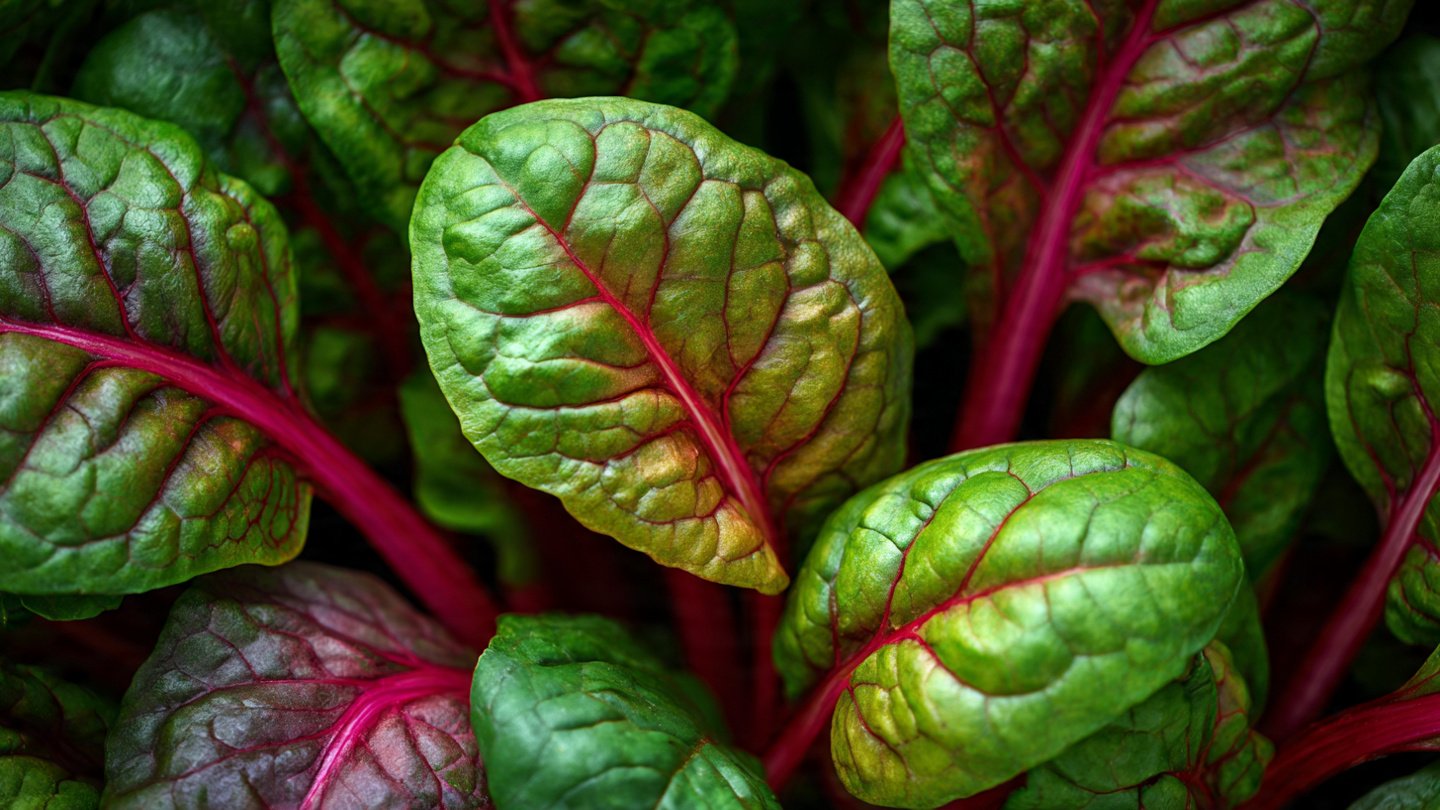
Growing your own foods at home has become increasingly popular as people seek fresh, nutritious options right from their gardens. Among the numerous vegetables you can cultivate, Swiss chard stands out for its vibrant, leafy greens and versatility in the kitchen. Not only is it easy to grow, but its baby leaves are packed with vitamins and minerals. This guide will walk you through the process of growing nutritious chard baby leaves in your home garden, including soil preparation, sowing, caring for the plants, and harvesting.
What is Swiss Chard?
Swiss chard (Beta vulgaris var. cicla) is a leafy green vegetable known for its large, dark green leaves and colorful stalks. It belongs to the beet family and is prized for its nutrient profile, which includes high levels of vitamins A, C, and K, along with essential minerals like magnesium, iron, and potassium. Its mild flavor makes it a versatile ingredient in salads, soups, and stir-fries.
Benefits of Growing Chard Baby Leaves
- Nutritional Value: Baby chard leaves are nutrient-dense, offering a significant amount of vitamins and antioxidants while being low in calories.
- Harvest Multiple Times: When you harvest baby leaves, the plants continue to grow, allowing for multiple harvests throughout the growing season.
- Space Efficient: Chard can be grown in small spaces, making it ideal for container gardening as well as traditional garden beds.
- Seasonal Versatility: Thrive in both warm and cooler weather, chard can be sown early in spring and continue growing well into fall.
Preparing to Grow Chard Baby Leaves
Choosing the Right Location
Select a site that receives full sun for at least 6 hours a day. Chard can tolerate partial shade, but full sunlight encourages healthy growth and enhances flavor.
Soil Preparation
- Soil Type: Chard thrives in well-draining, loamy or sandy soil enriched with organic matter.
- pH Level: Aim for a pH of 6.0 to 7.0 for optimal growth.
- Amendments: Incorporate compost or well-rotted manure into your soil before planting to provide essential nutrients.
Tools and Supplies
Make sure you have the following items ready:
- Seeds or seedlings of Swiss chard
- Gardening gloves
- Trowel or garden fork
- Watering can or hose
- Mulch (optional, for moisture retention)
Sowing Seeds
When to Plant
You can sow Swiss chard seeds directly in your garden in early spring when the soil temperature reaches 50°F (10°C), or in the fall for a late harvest. In mild climates, chard can be grown year-round.
How to Sow
- Row Spacing: Create rows spaced about 12-18 inches apart.
- Seed Depth: Sow seeds in shallow furrows, approximately ½ to 1 inch deep.
- Seed Spacing: Space seeds 2-4 inches apart. If you are growing baby chard, you can thin them later to about 1-2 inches for better growth.
Watering
After sowing, water the soil gently to ensure seed germination. Keep the soil consistently moist but not waterlogged, especially during the first few weeks.
Caring for Your Chard
Thinning Seedlings
Once your seedlings are about 2 inches tall, thin them out to ensure proper spacing. Remove the weaker plants to allow stronger ones to flourish. You can eat the thinned seedlings as baby greens.
Watering Schedule
Chard prefers evenly moist soil. Water deeply once a week, increasing frequency during hotter months. Be careful to avoid water stress, which can lead to bitterness in the leaves.
Fertilizing
Apply a balanced fertilizer every 4-6 weeks during the growing season. Avoid nitrogen-heavy fertilizers, as these can lead to excessive leaf growth with diminished flavor.
Pest Control
Keep an eye out for common pests like aphids, leaf miners, and snails. Use organic methods of pest control such as insecticidal soap, neem oil, or introducing beneficial insects to your garden.
Weeding
Regularly check for weeds around your chard plants. Weeds can compete for nutrients and water. Hand-pulling is often the best method, especially in smaller gardens.
Harvesting Chard Baby Leaves
When to Harvest
Chard baby leaves can be harvested once they reach about 4-6 inches in height, usually around 4-6 weeks after sowing. The younger leaves are tender and flavorful.
How to Harvest
Use scissors or garden shears to cut the outer leaves, leaving the inner ones to continue growing. Aim to leave at least 2-3 leaves on each plant to ensure continued growth.
Storage
Freshly harvested chard can be stored in the refrigerator in a plastic bag or container for up to a week. For longer storage, consider blanching and freezing the leaves.
Cooking with Chard
Chard can be enjoyed in numerous ways:
- Salads: Mix raw baby leaves with other greens for a nutrient-packed salad.
- Stir-fries: Add chopped chard leaves to stir-fries for a colorful and nutritious addition.
- Soups: Incorporate into soups for added flavor and texture.
- Smoothies: Blend baby chard leaves into smoothies for a nutrient boost without strong flavors.
FAQs
1. Can I grow chard in containers?
- Yes, Swiss chard is well-suited for container gardening. Ensure the pots are at least 8-10 inches deep with good drainage.
2. What is the ideal temperature for growing chard?
- Chard prefers temperatures between 50°F and 85°F (10°C to 29°C). It can tolerate light frost but may bolt (produce flowers) if temperatures rise too much.
3. Do I need to start chard seeds indoors?
- It is not necessary; chard grows well when started directly outdoors. However, in colder climates, you can start seeds indoors 4-6 weeks before the last frost.
4. How often should I water my chard?
- Water deeply about once a week, adjusting for weather conditions. Ensure the soil is kept consistently moist but not waterlogged.
5. Can Swiss chard be regrown after harvesting?
- Yes! Chard can be continuously harvested by cutting outer leaves while leaving the center intact. This allows new leaves to grow.
6. What pests should I watch for when growing chard?
- Common pests include aphids, leaf miners, and snails. Inspect your plants regularly and use organic pest control measures when necessary.
7. Is Swiss chard safe to eat raw?
- Yes, baby chard leaves are safe and delicious when eaten raw in salads or smoothies.
8. How long does it take for chard seeds to germinate?
- Chard seeds typically take about 7-14 days to germinate, depending on soil temperature and moisture conditions.
9. Can I use chard in recipes that call for spinach?
- Absolutely! Swiss chard can be used interchangeably with spinach in most recipes, providing a similar texture and flavor profile.
Conclusion
Growing Swiss chard baby leaves at home is not only enjoyable but also highly rewarding. With its nutrient-dense profile and delicious flavor, chard can easily become a staple in your household. Follow the guidelines in this simple guide to create your own thriving chard garden. Enjoy the fresh culinary benefits it brings, from salads to savory dishes, all while knowing exactly where your food comes from. Happy gardening!