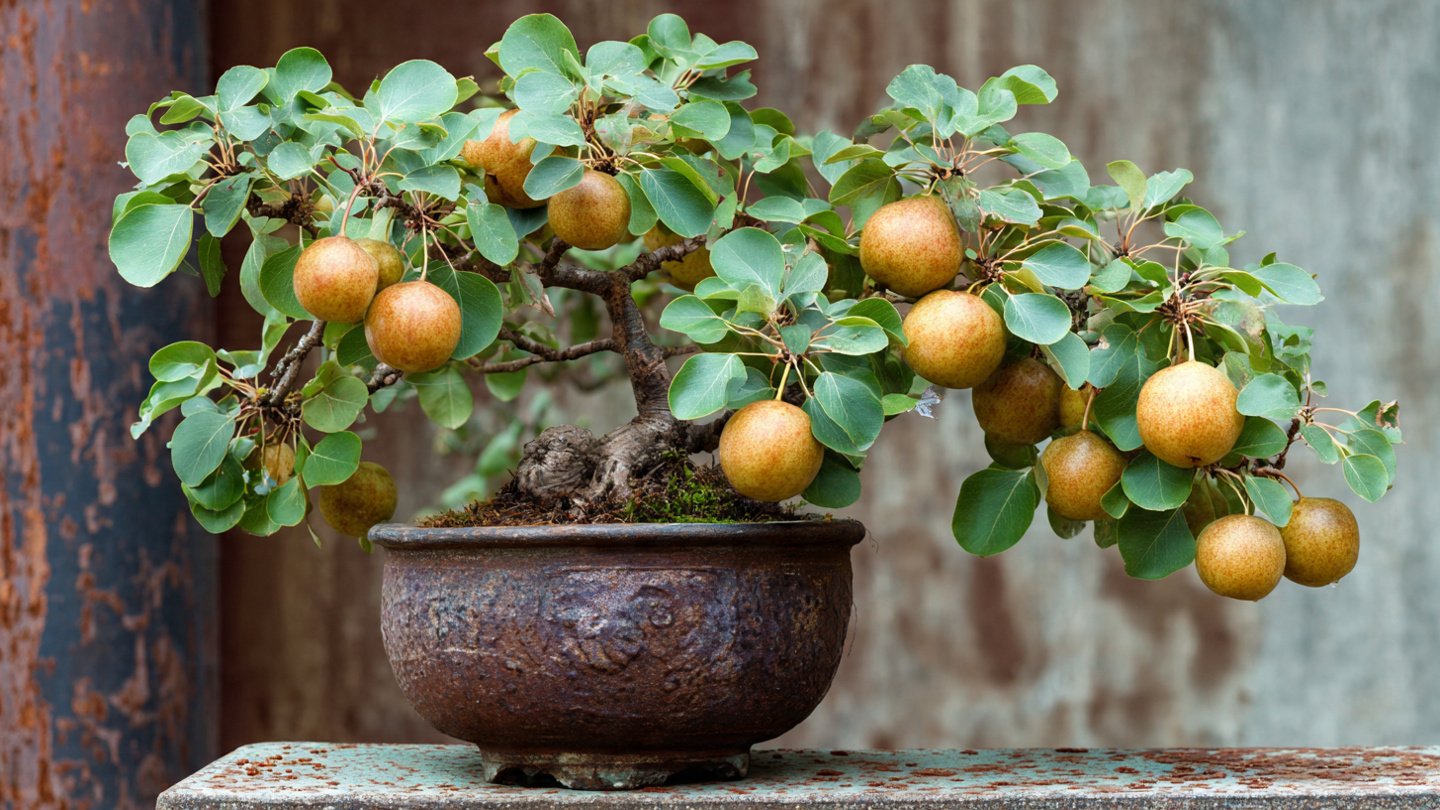
Growing fruit trees in containers offers an exciting opportunity for urban gardeners and those with limited space, and one of the most delightful fruits to grow in this way is the Asian pear. Known for its crisp texture and sweet flavor, the Asian pear is not only delicious but also an attractive addition to any small garden or patio. This ultimate guide will walk you through everything you need to know to successfully grow Asian pears in containers.
1. Understanding Asian Pears
Asian pears (Pyrus pyrifolia) are a distinct group of pear species that originated in East Asia. They differ from European pears in terms of flavor, texture, and appearance. Asian pears are typically round and have a firmer, crunchier texture, often compared to apples. Their unique taste profile makes them perfect for snacking, salads, or cooking. Some popular varieties include ‘Shinseiki,’ ‘Kikusui,’ and ‘Hoshigaki.’
Benefits of Growing Asian Pears in Containers
- Space-efficient: Ideal for small gardens, patios, or balconies.
- Mobility: Easily moveable to optimize sunlight exposure.
- Custom soil: Allows better control over soil quality and drainage.
- Pest management: Containers can help limit pest exposure.
2. Choosing the Right Container
Choosing the appropriate container is crucial for the health and productivity of your Asian pear tree.
Container Size
- Size Matters: A container should be at least 15-20 gallons to accommodate root growth.
- Depth: Ensure the container is deep enough (at least 18 inches) to support the tree’s roots.
Container Material
- Plastic: Lightweight and retains moisture well.
- Ceramic or Terracotta: Aesthetically pleasing but can dry out quickly.
- Wood: Provides good insulation but must be treated to prevent rot.
Drainage
Proper drainage is essential. Ensure your container has several drainage holes at the bottom to prevent water pooling, which can lead to root rot.
3. Selecting the Right Variety
Different Asian pear varieties have different growth habits, flavors, and tolerances. Some varieties are better suited for container growth:
- ‘Shinseiki’: A smaller, compact tree with sweet, juicy fruit.
- ‘Kikusui’: A hardy variety with excellent disease resistance.
- ‘Hoshigaki’: Known for its unique flavor, great for fresh eating.
When selecting a variety, consider your climate, available sunlight, and personal taste preferences.
4. Soil and Fertilization
Soil Requirements
Choosing the right soil mix is crucial for container-grown Asian pears.
- Well-draining soil: A mix specifically designed for fruit trees or a combination of potting soil, perlite, and compost.
- pH level: Aim for a pH between 6.0 and 7.0.
Fertilization
Asian pears require regular feeding throughout the growing season.
- Initial Fertilization: Apply a balanced, slow-release fertilizer at planting.
- Ongoing Feeding: Fertilize every 4-6 weeks during the active growth season with a fertilizer high in potassium and phosphorus, which promotes fruit development.
5. Planting Asian Pears
Step-by-step Planting Guide
-
Select a Planting Time: Spring is the best time to plant, as it aligns with the growing season.
-
Prepare the Container: Fill your container with soil, leaving about an inch of space at the top.
-
Planting:
- Gently remove the tree from its nursery pot.
- Place it in the center of the container and fill in around the root ball with soil.
- Water thoroughly to remove air pockets.
-
Mulching: Apply a layer of mulch on top of the soil to retain moisture and suppress weeds.
6. Watering Asian Pears
Asian pears planted in containers need consistent watering to thrive.
- Watering Frequency: Check the top inch of soil; if it’s dry, it’s time to water. In general, container plants may need watering every 2-3 days in hot weather.
- Signs of Over-watering: Yellowing leaves or wilting can indicate excess water.
7. Lighting Requirements
Asian pears thrive in full sunlight, requiring at least 6-8 hours of direct sunlight per day.
- Location: Place your container where it gets ample sunlight, ideally on a south-facing patio or balcony.
- Rotation: Rotate your container every few weeks to ensure even light exposure on all sides.
8. Pruning and Training
Regular pruning is essential for the health and productivity of your container-grown Asian pear tree.
Pruning Techniques
- Timing: Late winter or early spring, when the tree is still dormant.
- Remove Crossing Branches: This promotes good air circulation.
- Shape the Tree: Aim for an open-center shape to allow sunlight in.
Training the Tree
Consider using a trellis or garden stakes to help guide the growth of your tree. This can make it easier to manage height and spread within a confined space.
9. Pest and Disease Management
Common Pests
- Aphids: Small insects that can stunt growth; wash them off with water or use insecticidal soap.
- Spider Mites: Can cause leaf discoloration; ensure your tree stays adequately watered.
Diseases
- Powdery Mildew: A fungal disease that can affect Asian pears; avoid overhead watering and ensure good air circulation.
- Fire Blight: A bacterial disease that requires immediate removal of affected branches.
Regular inspections can help catch problems early.
10. Harvesting
Signs of Ripeness
- Color: Should have a uniform color, depending on the variety.
- Texture: Should be firm but yield slightly under gentle pressure.
Harvesting Techniques
- Gentle Handling: Use pruning shears to avoid bruising the fruit.
- Timing: Harvest in late summer to early fall, depending on the variety.
11. Winter Care
If you live in a region with harsh winters, winter care is essential to protect your container-grown Asian pear.
Winterizing Techniques
- Insulation: Wrap pots with burlap or bubble wrap to insulate against freezing temperatures.
- Relocation: If possible, move your container to a sheltered location, such as a garage or covered patio.
12. FAQs
Q1: Can Asian pears be grown in containers year-round?
Yes, Asian pears can be grown in containers year-round, provided they have adequate sunlight and care. In colder climates, shelter or insulation may be necessary during winter.
Q2: How long does it take for Asian pears to bear fruit?
Most Asian pear trees will start producing fruit within 3 to 5 years after planting.
Q3: Do I need another Asian pear tree for pollination?
Most Asian pear varieties are self-pollinating but will produce better yields with a second tree for cross-pollination.
Q4: What is the best fertilizer for Asian pears?
A balanced, slow-release fertilizer or one with higher potassium and phosphorus during the growing season promotes fruit quality and production.
Q5: How often should I water my container-grown Asian pear?
Watering frequency can vary based on weather conditions; generally, check the top inch of soil and water when it’s dry. During hot spells, you may need to water every 2-3 days.
Q6: Can I grow Asian pears in partial shade?
While Asian pears prefer full sunlight, they can tolerate partial shade. However, their growth and fruit production may be affected.
Q7: How do I prevent pests like aphids and spider mites?
Regular inspections, maintaining good air circulation, and using insecticidal soaps can help manage pests effectively.
Conclusion
Growing Asian pears in containers can be a rewarding experience, turning even the smallest of spaces into a thriving fruit garden. With the right variety, container, soil, and care, you can enjoy the delicious, crunchy texture of this unique fruit right from your patio or balcony. So grab your pots and get ready to reap the sweet rewards of your gardening efforts!