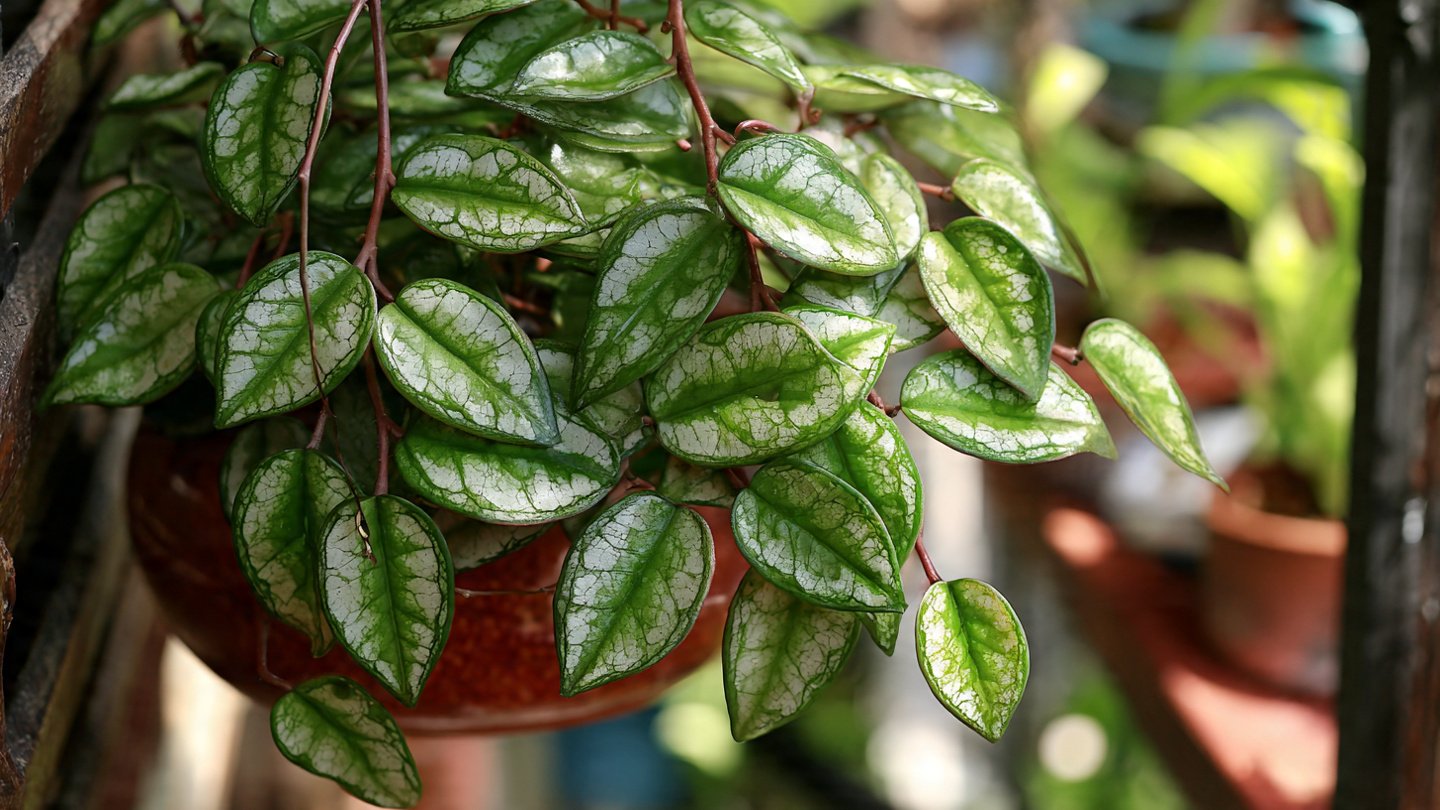
Hoya, often referred to as the “wax plant” due to its succulent, waxy leaves, belongs to the Apocynaceae family. Among the myriad of Hoya species, the Hoya compacta, known for its stunning, compact leaves and delightful clusters of star-shaped flowers, has gained significant popularity among gardeners and houseplant enthusiasts. If you’re interested in cultivating this charming variety in your home garden, this guide will provide you with comprehensive tips for ensuring successful growth.
Understanding Hoya Compacta
Hoya compacta, originally native to Southeast Asia, is characterized by its waxy leaves that are often uniquely twisted or curled. The plant can grow as a climbing vine, making it suitable for both indoor pots and garden trellises. Known for its resilience and relatively low maintenance requirements, Hoya compacta is perfect for novice and experienced gardeners alike.
Benefits of Growing Hoya Compacta
- Low Maintenance: Hoya compacta is forgiving and doesn’t require complex care routines.
- Air Purification: As a houseplant, it contributes to indoor air quality, removing toxins from the air.
- Aesthetically Pleasing: The shiny leaves and fragrant flowers provide visual and olfactory enjoyment.
Ideal Conditions for Growing Hoya Compacta
1. Light Requirements
Hoya compacta thrives in bright, indirect sunlight. Placing it near a window with filtered light is ideal. Direct sunlight can scorch the leaves, while inadequate light will inhibit flowering. If growing indoors, consider using sheer curtains to diffuse the sunlight.
2. Temperature Preferences
This plant prefers warm conditions, ideally in the range of 60°F to 80°F (15°C to 27°C). It’s essential to protect it from sudden temperature fluctuations and drafts. During winter months, ensure the plant is kept away from cold windows.
3. Humidity Levels
Hoya compacta enjoys moderate to high humidity levels. A humidity range of 40%-60% is optimal. If your indoor environment is dry, especially during winter, you can increase humidity by:
- Using a pebble tray filled with water beneath the pot.
- Misting the leaves occasionally.
- Using a humidifier.
4. Soil Requirements
The right soil mix can make a significant difference in the health of your Hoya compacta. Opt for well-draining potting soil—preferably a mix formulated for succulents or cacti. A mixture of regular potting soil, perlite, and orchid bark works well to ensure proper drainage and aeration.
5. Pot Selection
Choose a pot with drainage holes to prevent overwatering. Terracotta pots are a good choice as they allow for air circulation and moisture loss. Select a pot size that accommodates the root system without being overly spacious; too much excess soil can retain water and lead to root rot.
Planting Hoya Compacta
Propagation Techniques
Hoya compacta can be propagated through:
- Cuttings: Take a cutting from a healthy vine, ensuring it has a few leaves and nodes. Allow the cutting to dry for a day to form a callus, then plant it in the soil mix.
- Leaf Cuttings: While less common, leaf cuttings can be rooted similarly in moist soil, though it might take longer to establish.
Steps for Planting
- Prepare the Pot: Ensure your pot has adequate drainage and fill it with the chosen soil mix.
- Insert the Cutting: Make a small hole in the soil and gently insert the cutting, ensuring that at least one node is buried.
- Water Sparingly: Water lightly after planting, ensuring the soil is moist but not soggy.
Caring for Hoya Compacta
Watering
Hoya compacta prefers to dry out between waterings. During the growing season (spring and summer), water when the top 1-2 inches of soil feel dry. In fall and winter, reduce the watering frequency. Overwatering can lead to root rot, a common problem for this species.
Fertilization
Feed your Hoya compacta with a balanced, water-soluble fertilizer diluted to half strength during the growing season, approximately every 4-6 weeks. Avoid fertilizing in winter when the plant is dormant.
Pruning
Regular pruning helps maintain the plant’s shape and encourages bushier growth. Trim back any dead or yellowing leaves and cut back leggy growth to promote a fuller appearance. Prune after flowering for the best results.
Pest and Disease Management
Hoya compacta is relatively resistant to pests, but watch out for:
- Mealybugs: Treat with neem oil or insecticidal soap.
- Spider Mites: Increase humidity and wash the leaves with water.
- Fungal Infections: Ensure proper air circulation and avoid overwatering.
Indoor vs. Outdoor Growing
Indoor Growth
When growing indoors, ensure the plant receives adequate light. Consider rotating the pot every few weeks for even growth. Be mindful of indoor heating, which can dry out the air and soil more quickly.
Outdoor Growth
If you live in a suitable climate (USDA zones 9-11), you can grow Hoya compacta outdoors. Ensure it’s placed in a spot with filtered sunlight and protected from harsh elements. Container gardening allows for more flexibility in moving the plant as needed.
Flowering
One of the most attractive features of Hoya compacta is its flowers, which are usually small and star-shaped, blooming in clusters. Conditions to promote flowering include:
- Adequate light: Flowering is more likely with sufficient light.
- Age and maturity: Hoya plants typically take 2-3 years to bloom.
- Environmental stress: Sometimes, a slight stress can encourage blooming, such as a slightly root-bound pot.
FAQs about Hoya Compacta Care
1. How often should I water my Hoya compacta?
Water when the top 1-2 inches of soil feel dry. In the growing season, this may be every 1-2 weeks, while in winter, you may water less frequently.
2. Does Hoya compacta need fertilizer?
Yes, apply a balanced, water-soluble fertilizer during the growing season, approximately every 4-6 weeks.
3. Can I propagate Hoya compacta in water?
Yes, you can propagate in water; however, it’s best to plant cuttings directly into a soil mix as it promotes stronger root development.
4. How can I make my Hoya compacta bloom?
Ensure your plant receives plenty of bright, indirect light, maintain moderate humidity, and consider slightly reducing watering to encourage blooming.
5. Is Hoya compacta toxic to pets?
Hoya compacta is generally considered non-toxic to cats and dogs, making it a safer choice for households with pets.
6. What should I do if my Hoya compacta has yellow leaves?
Yellow leaves can indicate overwatering or insufficient light. Check your watering routine and ensure the plant is getting enough light.
Growing Hoya compacta can be a rewarding experience, contributing beauty and charm to your home while offering a low-maintenance gardening option. By providing the right conditions and care, you’ll be able to enjoy this stunning plant for years to come! Happy gardening!