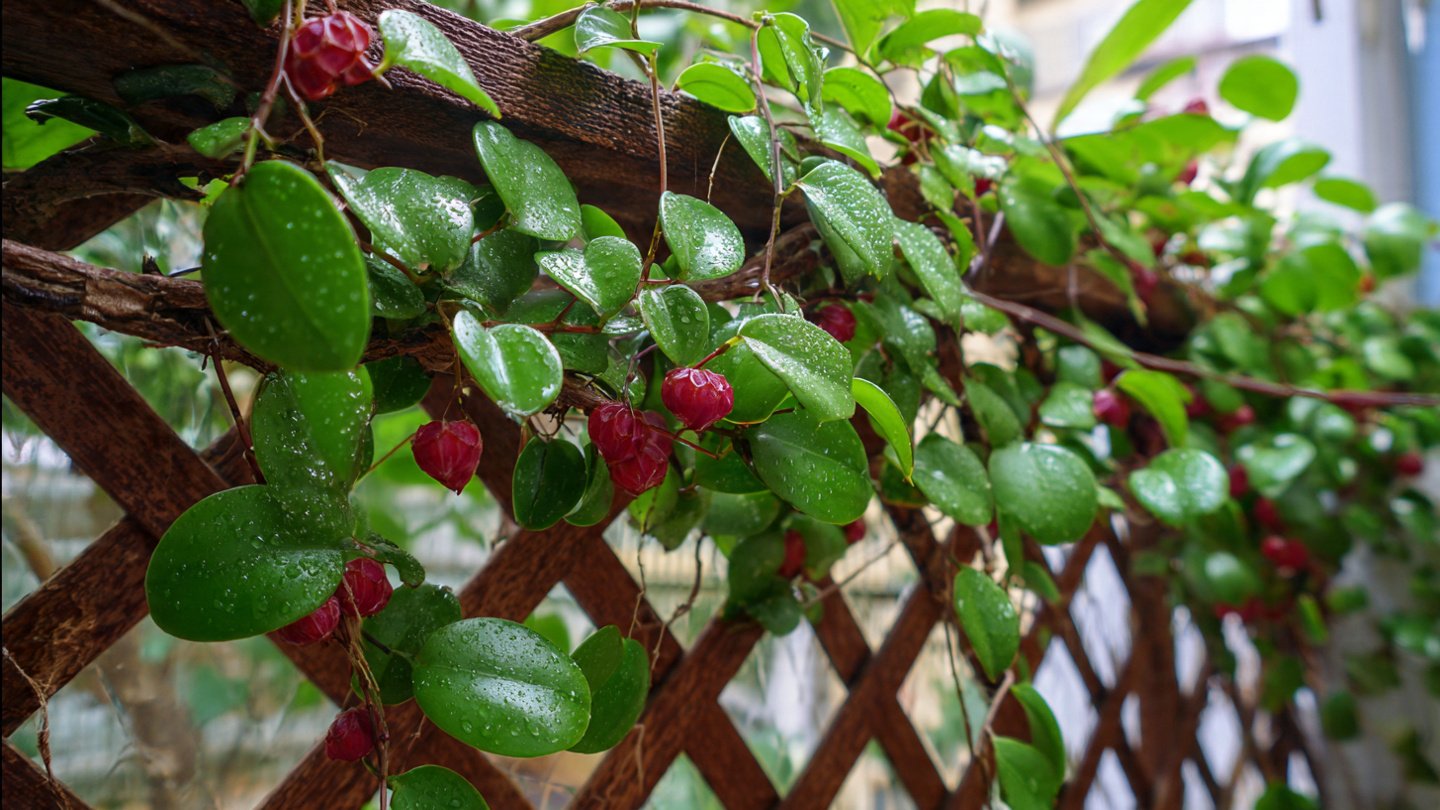
Hoya plants, often known as wax plants, are popular among plant enthusiasts due to their beautiful, thick leaves and stunning clusters of fragrant flowers. They are relatively low-maintenance, making them ideal for beginners. One way to showcase Hoya plants is by growing them on a trellis. This method not only supports the plant but also enhances its aesthetic appeal. In this guide, we will walk you through the simple steps for growing Hoya on a trellis, along with tips, tricks, and answers to frequently asked questions.
What is a Hoya Plant?
Before diving into the details, let’s briefly explore what Hoya plants are. They belong to the Apocynaceae family and originate from tropical regions in Asia and Australia. Hoya plants are characterized by their succulent leaves and flowering capability, with many varieties producing clusters of star-shaped blooms. These plants thrive in warm and humid environments, making them ideal for indoor cultivation.
Benefits of Growing Hoya on a Trellis
- Space Efficiency: Using a trellis allows you to grow Hoya plants vertically, saving space and offering a more organized garden aesthetic.
- Increased Air Circulation: Elevating the plant on a trellis improves air circulation, reducing the risk of fungal diseases.
- Enhanced Visibility: A trellised Hoya plant displays its beautiful foliage and flowers prominently, making it an attractive focal point in any room.
- Support for Growth: As Hoya plants grow, they require support to prevent their stems from breaking or drooping. A trellis provides this essential support.
Step-by-Step Guide to Growing Hoya on a Trellis
Step 1: Choose the Right Hoya Variety
Before you start growing your Hoya on a trellis, select the right variety. Some popular options include:
- Hoya carnosa: Known for its thick, waxy leaves and fragrant, star-shaped flowers.
- Hoya kerrii: Often called the sweetheart plant, recognized for its heart-shaped leaves.
- Hoya pubicalyx: Features thin leaves and clusters of striking blooms.
Step 2: Select the Appropriate Trellis
When choosing a trellis, consider the following factors:
- Material: Wood, metal, or bamboo are common materials for trellises. Ensure it is sturdy enough to support the plant’s weight.
- Size: Consider the size of your Hoya plant. A taller trellis is required for larger varieties, while smaller ones can be trained on shorter structures.
- Design: Choose a trellis design that complements your home décor. Decorative trellises can serve as a stylish element in your interior design.
Step 3: Prepare the Pot and Soil
Pot Selection: Choose a pot with drainage holes to prevent waterlogging. Hoya plants prefer a slightly snug fit, which encourages growth.
Soil Type: Use well-draining potting soil. A mixture of potting soil, perlite, and orchid bark is ideal as it provides aeration and drains excess moisture efficiently.
Step 4: Planting the Hoya
- Remove from Nursery Pot: Gently remove the Hoya plant from its nursery pot. Be careful not to damage the roots.
- Trim Roots if Necessary: If the roots are tightly bound, you can lightly trim them to encourage new growth.
- Planting: Place the plant in the center of the pot and backfill with your soil mixture. Ensure that the plant is stable and upright.
- Watering: Water the plant thoroughly after potting, allowing excess water to drain from the bottom of the pot.
Step 5: Installing the Trellis
- Plan Placement: Choose a spot where the Hoya will receive bright, indirect sunlight. Avoid direct sunlight, which can scorch the leaves.
- Insert the Trellis: Carefully insert the trellis into the pot. Ensure it is stable and firmly anchored.
Step 6: Training the Hoya to Climb
Once your Hoya is securely planted and the trellis is in position, you can begin the training process:
- Attach Vines: As the plant grows, gently guide the stems toward the trellis. Use soft ties or plant clips to secure the stems in place. Do not tie them too tightly, as this can damage the stems.
- Encourage Growth: Regularly check the plant, adjusting the vines as needed. As the Hoya grows, it will start to wrap itself around the trellis.
Step 7: Care and Maintenance
- Watering Schedule: Water when the top inch of soil feels dry. Hoya plants prefer their soil to dry out slightly between watering.
- Humidity Needs: Hoya plants thrive in humidity. If your home is dry, consider using a humidity tray or a humidifier.
- Fertilization: Feed your Hoya plant with a balanced fertilizer every month during the growing season (spring and summer). Reduce fertilization in the fall and winter months.
- Pruning: Regularly prune your Hoya to encourage fuller growth and to remove any dead or damaged leaves.
- Pest Control: Keep an eye out for pests such as mealybugs and aphids. If spotted, treat immediately with insecticidal soap or neem oil.
Step 8: Enjoy the Flowers!
With proper care, your Hoya plant will reward you with beautiful clusters of flowers. Depending on the variety, flowering may occur after a year or two, so patience is key.
Common Problems and Solutions
- Leaves Turning Yellow: This could be a sign of overwatering. Allow the soil to dry before watering again.
- Poor Flowering: Insufficient light or nutrients could be the cause. Ensure your plant gets adequate light and feeds regularly during the growing season.
- Pests: Regularly inspect for pests and treat promptly. A mixture of soap and water can often help eliminate these unwanted visitors.
- Lack of Growth: If your plant isn’t growing, it might be root-bound or need a larger pot.
FAQs
Q1: How often should I water my Hoya?
A1: Water your Hoya when the top inch of soil feels dry. It generally requires less frequent watering compared to other houseplants.
Q2: Can I grow Hoya outdoors?
A2: Yes, if you live in a warm climate (USDA zones 10-11), you can grow Hoya outdoors. Provide them with partial shade and protection from harsh sunlight.
Q3: Do Hoya plants require a lot of sunlight?
A3: Hoya plants prefer bright, indirect sunlight. Too much direct sunlight can scorch the leaves.
Q4: Will my Hoya plant flower indoors?
A4: Yes, many Hoya varieties will flower indoors with adequate care and the right environmental conditions.
Q5: How tall can a Hoya trellis grow?
A5: The height of the trellis can vary, but it typically ranges from 3 to 6 feet. The taller the trellis, the more space the Hoya has to climb.
Q6: Is Hoya toxic to pets?
A6: No, Hoya plants are considered non-toxic to cats and dogs, making them a safe choice for pet owners.
Conclusion
Growing Hoya on a trellis is a rewarding experience, especially for beginners. By following these simple steps, you can cultivate a stunning display of Hoya plants in your home. Not only will your plant thrive, but it will also become a beautiful focal point that showcases your gardening skills. Remember, patience and care are essential, especially when waiting for those glorious blooms. Happy gardening!