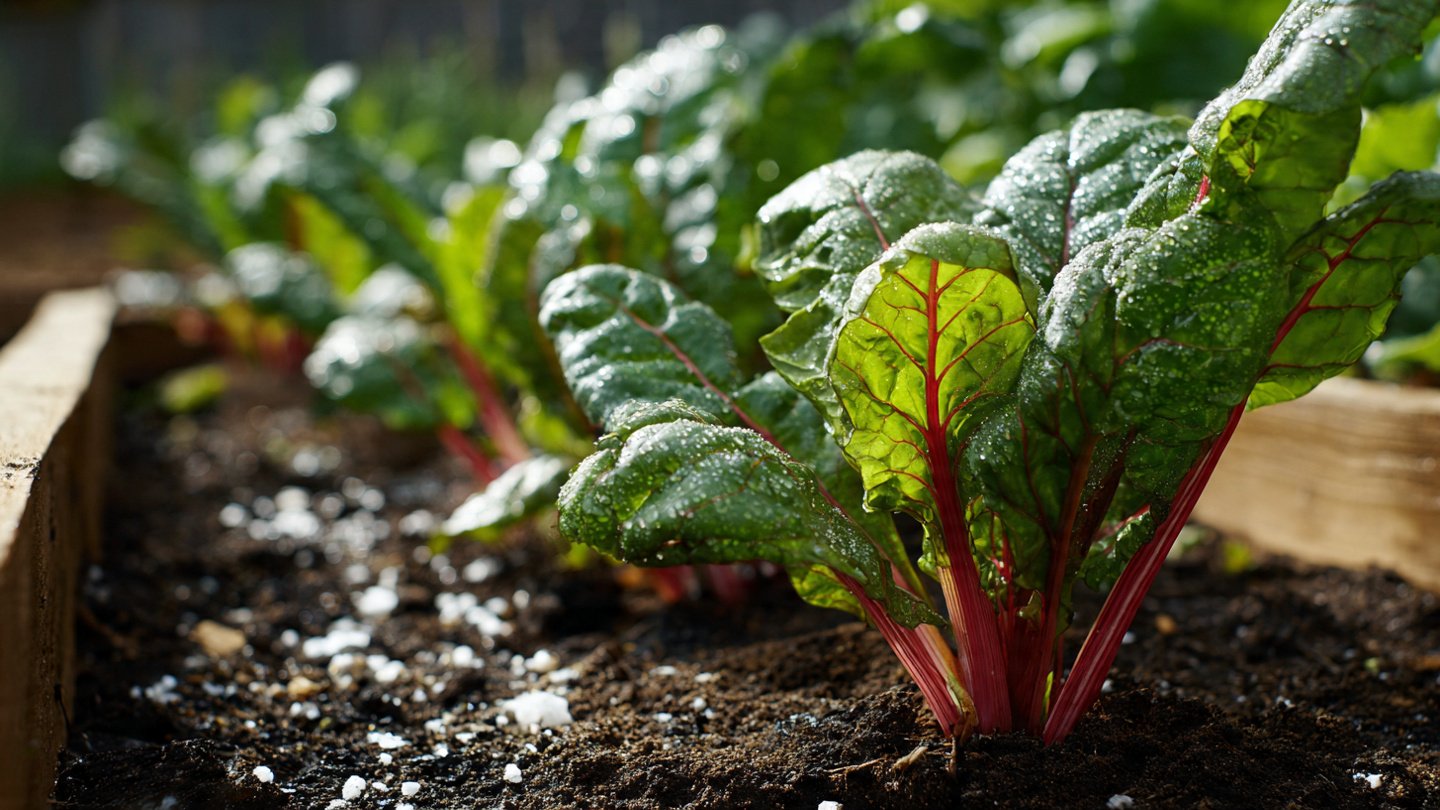
Chard, also known as Swiss chard, is a nutrient-rich leafy vegetable that has garnered attention for its vibrant colors and versatility in the kitchen. For home gardeners and commercial growers alike, maximizing the growth potential of chard is crucial for ensuring quick and robust harvests. This article explores effective strategies for growing chard, from soil preparation to pest management, ensuring that your plants reach their full potential in the shortest time possible.
Understanding Chard’s Growth Requirements
1. Soil Preparation
Soil Type: Chard thrives best in well-drained soil that retains moisture but is not waterlogged. A sandy loam enriched with organic matter is ideal.
Soil pH: The optimal pH range for chard is between 6.0 and 7.0. You can test your soil’s pH using a home testing kit. If the soil is too acidic, you can add lime; if it’s too alkaline, sulfur can help balance it.
Nutrient Levels: Before planting, enrich the soil with compost or well-rotted manure to improve fertility. Chard requires ample nitrogen for lush growth, so consider using a balanced fertilizer that promotes leaf development.
2. Choosing the Right Variety
Different varieties of chard can affect growth time and yield. Common varieties include:
- Rainbow Chard: Known for its colorful stems and quick growth.
- Giant Chard: Produces large leaves and is relatively fast-growing.
- Silverbeet: A popular choice in many gardens, known for its hardiness.
Selecting fast-maturing varieties can have a significant impact on your harvest time.
Optimal Growing Conditions
1. Light Requirements
Chard prefers full sun but can tolerate partial shade. Aim for at least 6-8 hours of sunlight per day, especially in cooler areas. In hotter climates, providing some afternoon shade can prevent bolting (premature flowering), which can hinder leaf growth.
2. Watering Practices
Chard requires consistent moisture, particularly during germination and early growth stages. Aim to keep the soil evenly moist but not soggy:
- Frequency: Water deeply once or twice a week, depending on rainfall and temperature.
- Mulching: Apply a layer of mulch to retain soil moisture, prevent weed growth, and maintain a stable temperature.
3. Temperature
Chard thrives in cool temperatures ranging from 50°F to 75°F (10°C to 24°C). It can withstand occasional frosts, making it a great choice for early spring and fall planting. If temperatures soar above 85°F (29°C), plants may bolt, so providing shade can be beneficial.
Planting Techniques
1. Seed Sowing
Chard can be directly seeded in the garden or started indoors for transplanting. Here are some tips for direct seeding:
- Timing: Sow seeds in late spring or early autumn for optimal growth. In warmer regions, sow in late summer for a fall harvest.
- Spacing: Plant seeds 1 inch apart in rows spaced 18-24 inches apart. Once seedlings are established, thin to 4-6 inches apart to allow for ample growth.
2. Transplanting
If starting seeds indoors, transplant them when they are 4-6 weeks old. Harden off seedlings by gradually introducing them to outdoor conditions over a week before planting.
Nutrient Management
Chard is a heavy feeder and responds well to additional fertilization. Follow these steps to ensure optimal nutrient uptake:
1. Fertilization Schedule
- Initial Fertilization: Apply a balanced fertilizer at planting.
- Side-Dressing: About 4 weeks after emergence, apply a nitrogen-rich side dressing, such as ammonium sulfate or fish emulsion, to encourage leafy growth.
2. Micronutrients
Chard benefits from micronutrients such as magnesium and iron. If leaf color is poor, consider the following:
- Epsom Salt: A magnesium source that can enhance leaf color.
- Iron Chelates: If you notice yellowing leaves, this might indicate an iron deficiency.
Pest and Disease Management
1. Common Pests
- Aphids: Small, green insects that can sap plant vitality. Use insecticidal soap or neem oil as a deterrent.
- Cabbage Worms: These pests can chew holes in leaves. Handpicking or introducing beneficial insects can help control their population.
2. Disease Prevention
Chard can be susceptible to fungal diseases, especially in humid conditions. To minimize risks:
- Crop Rotation: Avoid planting chard in the same location year after year to reduce disease buildup in the soil.
- Good Air Circulation: Space plants adequately and avoid overhead watering to keep foliage dry.
Harvesting Chard
1. Timing
You can begin harvesting chard about 4-6 weeks after planting, once leaves are large enough to pick. Regular harvesting encourages plant growth and prolongs the harvesting season.
2. Harvesting Techniques
- Cutting: Use sharp scissors or shears to cut the outer leaves, leaving the inner leaves and the heart of the plant intact to continue growth.
- Avoiding Damage: Be gentle when harvesting to avoid damaging the plant.
Extending the Harvest Season
To maximize your chard yield throughout the seasons, consider these strategies:
1. Succession Planting
Sow seeds every 2-3 weeks during the growing season to ensure a continuous harvest. This technique promotes an ongoing supply of fresh chard.
2. Row Covers
Using row covers in colder weather can protect chard from frost and pests while extending the growing season.
Conclusion
By implementing these strategies, gardeners can maximize the growth potential of chard, ensuring quick and bountiful harvests. With proper soil preparation, careful attention to light, moisture, and nutrients, as well as vigilant pest management, chard can thrive in a variety of conditions. Whether you’re growing it for personal use or selling it at market, these best practices will help you enjoy robust yields of this nutritious and vibrant vegetable.
FAQs
1. How long does it take for chard to grow?
Chard typically takes about 4 to 6 weeks to mature after planting, depending on the variety and growing conditions.
2. Can chard grow in containers?
Yes, chard can be successfully grown in containers. Ensure the container has adequate drainage and is at least 12 inches deep for root development.
3. What are the best companion plants for chard?
Chard grows well alongside beans, cabbage, and carrots. Avoid planting it near spinach, as they may attract similar pests.
4. Is chard a perennial plant?
Chard is technically a biennial plant but is often grown as an annual in gardens. In mild climates, it may survive through to the next year.
5. How do I store fresh chard?
Fresh chard can be stored in the refrigerator for up to a week. Wrap it in a damp paper towel and place it in a plastic bag to keep it fresh.
By following these strategies, every gardener can enjoy thriving chard plants and quick harvests for many seasons to come!